





Twelve PRELUDIUM 24 grants awarded to PhD students at the University of Wrocław
On November 28th, the National Science Centre (NCN) announced the results of the PRELUDIUM 24 competition. Among the awardees are as many as twelve doctoral students from the University of Wrocław. Congratulations!
The PRELUDIUM 24 competition received a total of 2,506 applications. After the first evaluation stage, 758 proposals advanced to the second stage, and finally, 369 projects were selected for funding, with a total sum exceeding PLN 61.6 million. Below are the awarded projects conducted by our researchers.
PRELUDIUM 24 grant recipients:
- mgr Wojciech Milczarski, doctoral student at the Doctoral College of Linguistics and Literary Studies (Institute of English Studies), for the project “Kiedy ‘prawdopodobnie’ nie znaczy tego samego: Badanie spójności interpretacji w komunikacji wielojęzycznej” (When ‘Probably’ Does Not Mean The Same Thing: Investigating Interpretation Consistency in Multilingual Communication”) (PLN 207.225 )
- mgr Karolina Szula, doctoral student at the Doctoral College of Linguistics and Literary Studies (Institute of Classical, Mediterranean and Oriental Studies), for the project “Między cytatem a głosem autora: Użycie tekstów źródłowych w XIV-wiecznym traktacie medycznym De iudiciis urine Tomasza z Wrocławia” (“Between Quotation and the Author’s Voice: The Use of Source Texts in the 14th-Century Medical Treatise De iudiciis urine by Thomas of Wroclaw”) (PLN 132.528)
- mgr Jan Załęcki, doctoral student at the Doctoral College of Linguistics and Literary Studies (Department of Dutch Studies), for the project “Przepisane na nasze czasy: mediewalizm a współczesność w niderlandzkojęzycznych dramatycznych adaptacjach literatury średnioniderlandzkiej z lat 1900–1945” (“Rewritten to Our Times: Medievalism and Modernity in Dutch-Language Dramatic Adaptations of Middle Dutch Literature, 1900–1945”) (PLN 208.758 )
- mgr Zuzanna Kierwiak-Włodarczyk, doctoral student at the Doctoral College of Archaeology of Art and Culture (Institute of Ethnology and Cultural Anthropology), for the project “Dobra śmierć? Antropologia niemedycznej opieki paliatywnej w Polsce” (“A Good Death? An Anthropology of Non-Medical Palliative Care in Poland”) (PLN 42.303 )
- mgr Damian Drzazga, doctoral student at the Doctoral College of History (Historical Institute), for the project “Portret zbiorowy generalicji Królestwa Polskiego 1815-1830″ (“A Collective Portrait of the General Officers of the Kingdom of Poland, 1815-1830”) (PLN 120.016)
- mgr Patrycja Wadach, doctoral student at the Doctoral College of Biomedical Sciences, Faculty of Biotechnology (Department of Molecular Microbiology), for the project “„Odkrywanie roli i sygnału aktywującego SitKR – nowego systemu dwuskładnikowego w regulacji ekspresji genów u naturalnie produkującej antybiotyki bakterii Streptomyces coelicolor” (“Uncovering the Role and Activation Signal of SitKR – a New Two-Component System Regulating Gene Expression in the Antibiotic-Producing Streptomyces Coelicolor Bacterium”) (PLN 69.539)
- mgr Aleksandra Sobiech,, doctoral student at the Doctoral College, Faculty of Biological Sciences (Department of Plant Developmental Biology), for the project “Mechanizmy działania meIAA w regulacji procesów rozwojowych u Arabidopsis thaliana” “ (“Mechanisms of meIAA Action in the Regulation of Developmental Processes in Arabidopsis thaliana”) (PLN 210.000)
- mgr Klaudyna Spychała, doctoral student at the Doctoral College, Faculty of Biological Sciences (Department of Mycology and Genetics), for the project “Charakterystyka grzybów mikroskopijnych izolowanych ze zwłok ludzkich” (“Characterisation of Microscopic Fungi Isolated from Human Cadavers”) (PLN 68.320)
- mgr Anna Barton, doctoral student at the Doctoral College of Biomedical Sciences, Faculty of Biotechnology (Department of Biophysics), for the project “Cisi decydenci: Jak regulowane przez HIF-2 mikroRNA kształtują adaptację śródbłonka do hipoksji” (“Silent Decision-Makers: How HIF-2-Regulated microRNAs Shape Endothelial Adaptation to Hypoxia”) (PLN 209.962)
- mgr Anna Domańska, doctoral student at the Doctoral College of Biomedical Sciences, Faculty of Biotechnology (Department of Genetic Biochemistry), for the project “Idenyfikacja genów SIX w Fusarium oxysporum f.sp. lini oraz ich wpływ na patogeniczność” (“Identification of SIX Genes in Fusarium oxysporum f. sp. lini and Their Impact on Pathogenicity”) (PLN 199.470)
- mgr inż. Sylwia Kozioł, doctoral student at the Doctoral College of Biomedical Sciences, Faculty of Biotechnology (Department of Biophysics), for the project “Mechanizmy degradacji RNA w mitochondrialnej odpowiedzi na niezwinięte białka” (“RNA Degradation Mechanisms in Mitochondrial Response to Unfolded Proteins”) (PLN 209.901 PLN)
- mgr Julia Ptak, doctoral student at the Doctoral College of Biomedical Sciences, Faculty of Biotechnology (Department of Medical Biotechnology), for the project “Klucz do długowieczności: galektyny z unikalnego golca piaskowego jako potencjalne czynniki przeciwstarzeniowe w zastosowaniach biomedycznych” (“A Key to Longevity: Galectins of the Unique Naked Mole-Rat as Potential Anti-Ageing Factors for Biomedical Applications”) (PLN 203.740)
The PRELUDIUM competition is dedicated exclusively to researchers who have not yet obtained a doctoral degree. Participants may apply for grants of PLN 70.000, 140.000 or 210.000 for projects lasting one, two, or three years, respectively. Each project must involve an academic supervisor who supports the principal investigator. The project’s topic may (but does not have to) be related to one’s doctoral dissertation. Obtaining a PhD is not required to finalise the project.
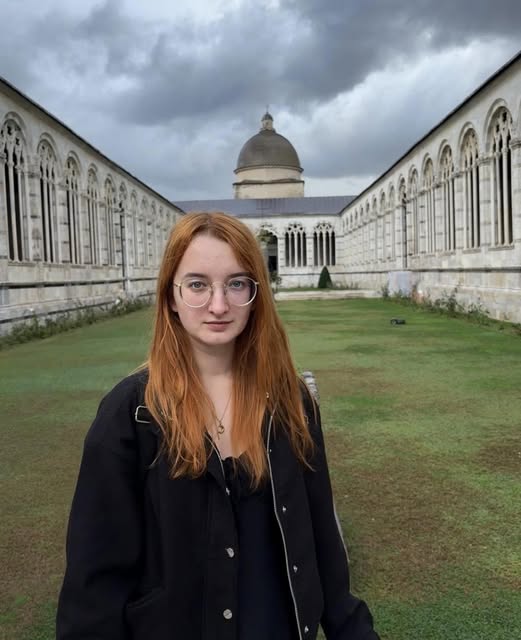
Mgr Karolina Szula (Institute of Classical, Mediterranean, and Oriental Studies) has received a PRELUDIUM grant for her project: “Między cytatem a głosem autora: Użycie tekstów źródłowych w XIV-wiecznym traktacie medycznym De iudiciis urine Tomasza z Wrocławia” (“Between Quotation and the Author’s Voice: The Use of Source Texts in the 14th-Century Medical Treatise De iudiciis urine by Thomas of Wroclaw”).
In medieval medicine, uroscopy (a prevalent diagnostic practice based on urine analysis) was considered crucial for interpreting human physiological processes. In De iudiciis urine, a 14th-century Latin treatise by Thomas of Wroclaw, this method is described with exceptional precision. The text combines practical medical knowledge with theoretical reflection, drawing on a rich tradition of classical and medieval authors. Preserved in three manuscripts and used as a teaching text at the Jagiellonian University, it remains an underexplored, but valuable source on medieval diagnostic methods. The project’s aim is to analyse the treatise and identify its intertextual connections with earlier authors. Despite being widely read and used at medieval universities, De iudiciis urine has never been studied thoroughly. By analysing how it relates to previous medical traditions, the project seeks to clarify the work’s place in the broader history of medieval medicine. Using philological analysis, intertextual research and stylometry, the project will reconstruct Thomas’s sources, identify his preferences, and evaluate his contribution to 14th-century European medical writing.
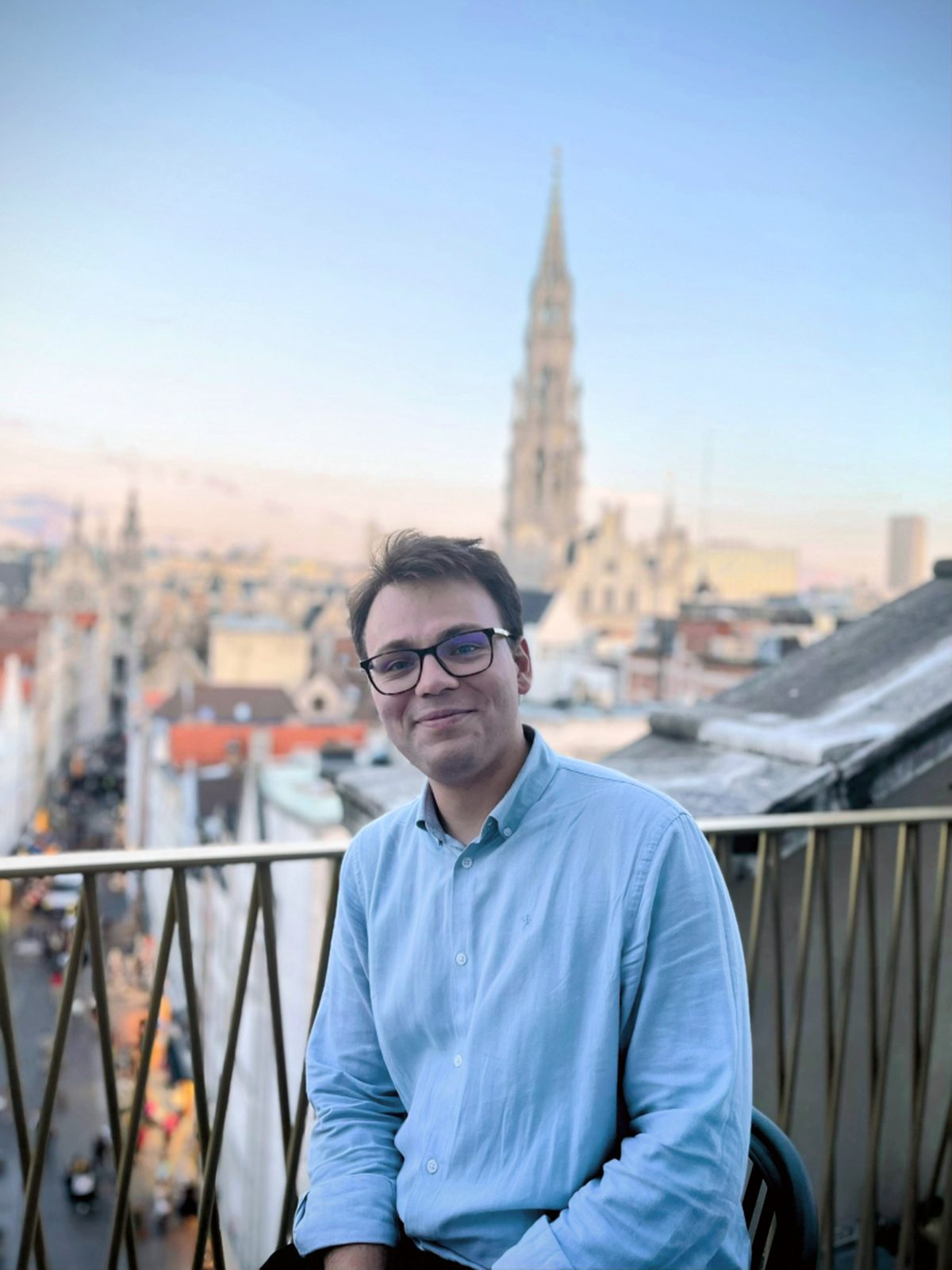
Mgr Jan Załęcki (Department of Dutch Studies) has received a PRELUDIUM grant for his project: “Przepisane na nasze czasy: mediewalizm a współczesność w niderlandzkojęzycznych dramatycznych adaptacjach literatury średnioniderlandzkiej z lat 1900–1945” (“Rewritten to Our Times: Medievalism and Modernity in Dutch-Language Dramatic Adaptations of Middle Dutch Literature, 1900–1945”).
This project brings together research on adaptation, medievalism, and Dutch literature; it explores how contemporary ideological and artistic movements influenced stage representations of the Middle Ages in the early 20th century, and how medieval narratives were reshaped to convey modern ideas. The study focuses on largely unknown theatrical and operatic adaptations of Middle Dutch literature, including nationalistic and religious pieces as well as socialist or modernist reinterpretations of epics, romances, legends, miracle plays, and medieval theatre. By examining these adaptations, the project addresses a broader question: how do societies rewrite the past to serve the needs of the present?

Mgr Zuzanna Kierwiak-Włodarczyk (Institute of Ethnology and Cultural Anthropology) has received a PRELUDIUM grant for her project: “Dobra śmierć? Antropologia niemedycznej opieki paliatywnej w Polsce” (“A Good Death? An Anthropology of Non-Medical Palliative Care in Poland”).
This project examines the work of people who accompany the dying ones and their families outside hospital settings – such as death doulas, grief companions, geriatric coordinators, educators, and specialised funeral home staff. While these roles have been widely described in Western contexts, they remain unexplored in Poland – a society that is rapidly ageing, still largely Catholic, but becoming increasingly secularised. The research fills this gap and addresses a practical question: how to ensure dignified end-of-life support when families often live far apart and the healthcare system focuses primarily on medical procedures?

Mgr Patrycja Wadach (Department of Molecular Microbiology, Faculty of Biotechnology), has received a PRELUDIUM grant for her project: “Odkrywanie roli i sygnału aktywującego SitKR – nowego systemu dwuskładnikowego w regulacji ekspresji genów u naturalnie produkującej antybiotyki bakterii Streptomyces coelicolor” (“Uncovering the Role and Activation Signal of SitKR: A New Two-Component System Regulating Gene Expression in Antibiotic-Producing Streptomyces coelicolor Bacterium”).
Although streptomyces bacteria are industrially crucial producers of natural antibiotics, their developmental cycle and stress responses remain only partly understood. This project focuses on SitKR, a newly identified two-component regulatory system composed of a histidine kinase and a response regulator that guides cellular development under stressful conditions. The research will identify the signals that activate SitKR and determine the target genes and regulatory pathways it controls in Streptomyces coelicolor A3(2). The findings will deepen our understanding of SitKR’s role in sporulation and stress-dependent development, offering a broader insight into how two-component systems regulate bacterial growth. Since the Streptomyces life cycle is closely linked to secondary metabolite production, these insights may also help inform strategies to manipulate developmental pathways to increase yields of valuable bioactive compounds.
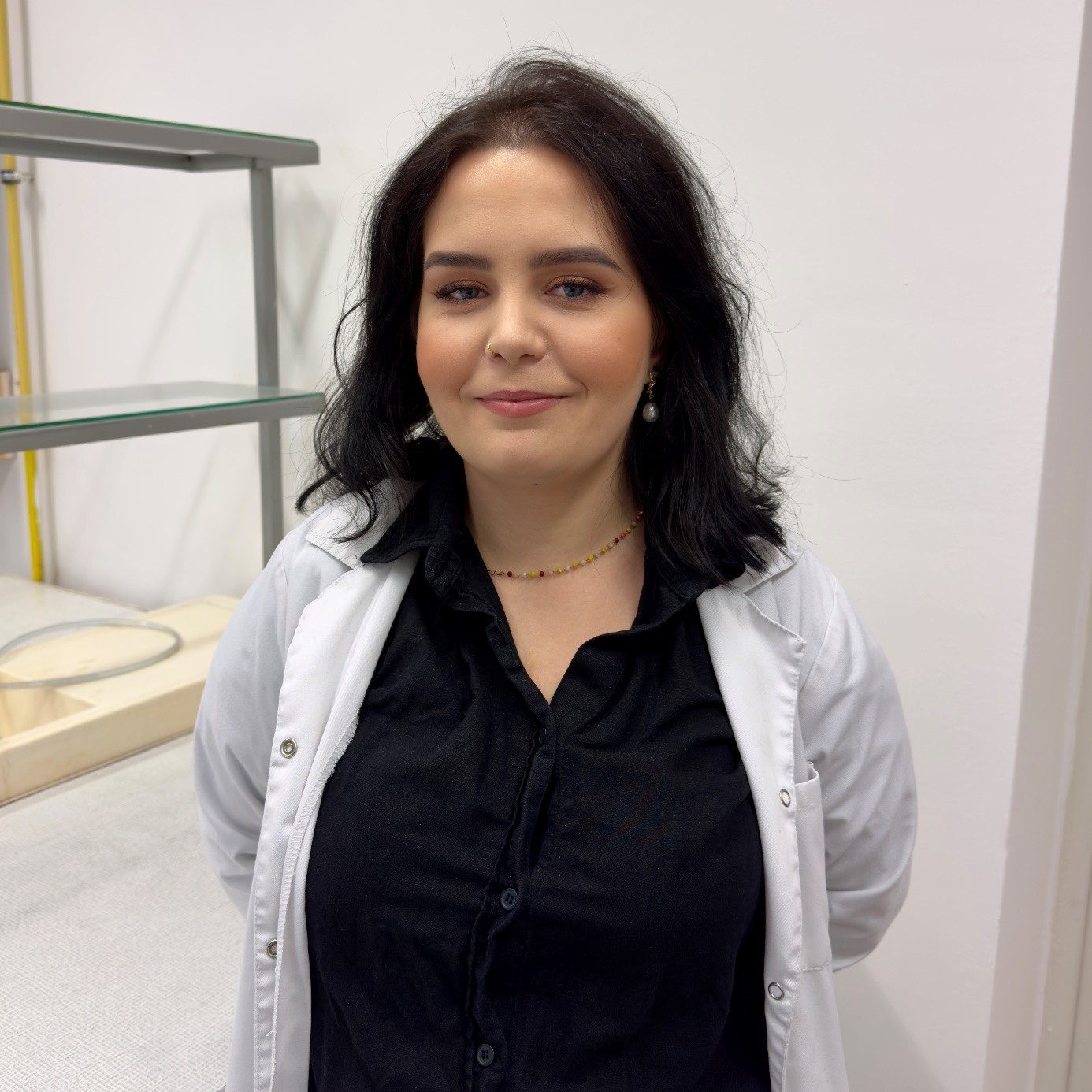
Mgr Klaudyna Spychała (Department of Mycology and Genetics, Faculty of Biological Sciences), received a PRELUDIUM grant for her project “Charakterystyka grzybów mikroskopijnych izolowanych ze zwłok ludzkich” (“Characterisation of Microscopic Fungi Isolated from Human Cadavers”).
Fungal growth naturally occurs during decomposition, especially on bodies exposed outdoors or exhumed. Although often overlooked, fungi have increasing potential significance. In some cases, fungal development has been used to help estimate the time since death, yet still little is known about which fungi appear on human remains or how quickly they grow. The project aims to characterize fungal isolates associated with human cadavers. This includes analysing their enzymatic profiles and, in the case of potentially pathogenic species, testing their sensitivity to standard antifungal drugs. The findings will provide new insight into the role fungi play in decomposition and their potential risks to human health.

Mgr Anna Barton (Department of Biophysics, Faculty of Biotechnology), received a PRELUDIUM grant for her project “Cisi decydenci: Jak regulowane przez HIF-2 mikroRNA kształtują adaptację śródbłonka do hipoksji” (“Silent Decision-Makers: How HIF-2-Regulated microRNAs Shape Endothelial Adaptation to Hypoxia”)
Tumors often develop under hypoxic conditions, which affect both cancer cells and endothelial cells forming blood vessels. The adaptation to low oxygen levels is regulated by hypoxia-inducible factors (HIFs): initially, HIF-1 dominates, but with prolonged hypoxia, a switch occurs to HIF-2, which is crucial for cell survival and new vessel formation. Increasing evidence suggests microRNAs also play a role in this adaptation. Our preliminary data indicate that during long-term hypoxia, HIF-2 specifically regulates 11 microRNAs that may support tumor cell survival and angiogenesis. Therefore, the project’s aim is to determine how blocking these microRNAs affects angiogenesis and cell survival, as well as identify the genes they control. Understanding their functions could lead to new targeted cancer therapies through precise modulation of specific microRNAs.
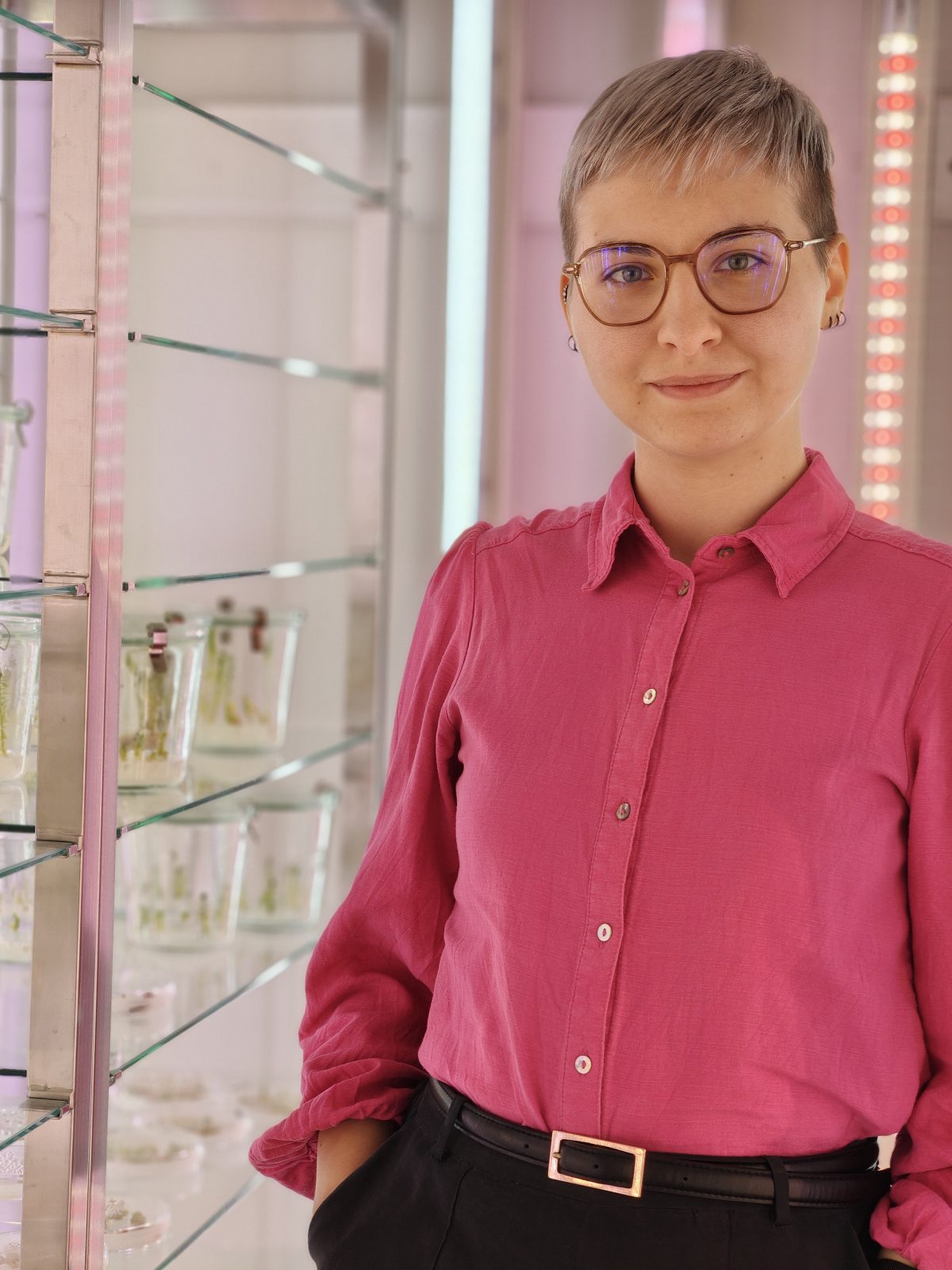
Mgr Anna Domańska (Department of Genetic Biochemistry, Faculty of Biotechnology), received a PRELUDIUM grant for her project “Idenyfikacja genów SIX w Fusarium oxysporum f.sp. lini oraz ich wpływ na patogeniczność” (“Identification of SIX Genes in Fusarium oxysporum f.sp. lini and Their Impact on Pathogenicity”).
Flax is an important crop valued for both its fibre and oil, but it is often threatened by fungal infections. Understanding both plant defences and fungal pathogenicity factors is essential for its protection. This project focuses on SIX genes that contribute to the pathogenicity of Fusarium oxysporum f. sp. lini (Foln), the fungus responsible for fusarium wilt in flax. The research includes identifying SIX genes in the Foln genome, examining their expression during different infection stages, determining their functions through gene silencing experiments, and studying environmental Foln strains from Polish fields to compare SIX gene sets and assess their role in virulence. The results will deepen our understanding of how Foln infects flax and help develop better ways to protect the crop.

Mgr inż. Sylwia Kozioł (Department of Biophysics, Faculty of Biotechnology), received a PRELUDIUM grant for her project “Mechanizmy degradacji RNA w mitochondrialnej odpowiedzi na niezwinięte białka” (“RNA Degradation Mechanisms in Mitochondrial Response to Unfolded Proteins”).
Mitochondria are essential for the proper functioning of cells; they produce energy, take part in signalling, regulate cell death, and help maintain calcium balance. To perform these functions properly, mitochondria depend on many proteins, most of which are encoded by genes in the nucleus and transported into mitochondria. If these proteins are folded incorrectly, they can build up and cause stress inside the mitochondria. In such situations, the cell activates a defence mechanism known as the mitochondrial unfolded protein response (mtUPR). We know that mtUPR slows down protein production to help reduce stress, but it is still unclear how the cell controls the levels of mitochondrial mRNAs during this process. If protein production restarts too quickly after the stress is gone, it could overload the mitochondria. This project is based on the hypothesis that during mtUPR, additional mechanisms appear that break down certain mRNAs to prevent their accumulation. These mechanisms may involve the enzyme IRE1α, and microRNAs regulated by the protein ATF5. The goal is to clarify how RNA is degraded during mtUPR and how these processes protect the cell.
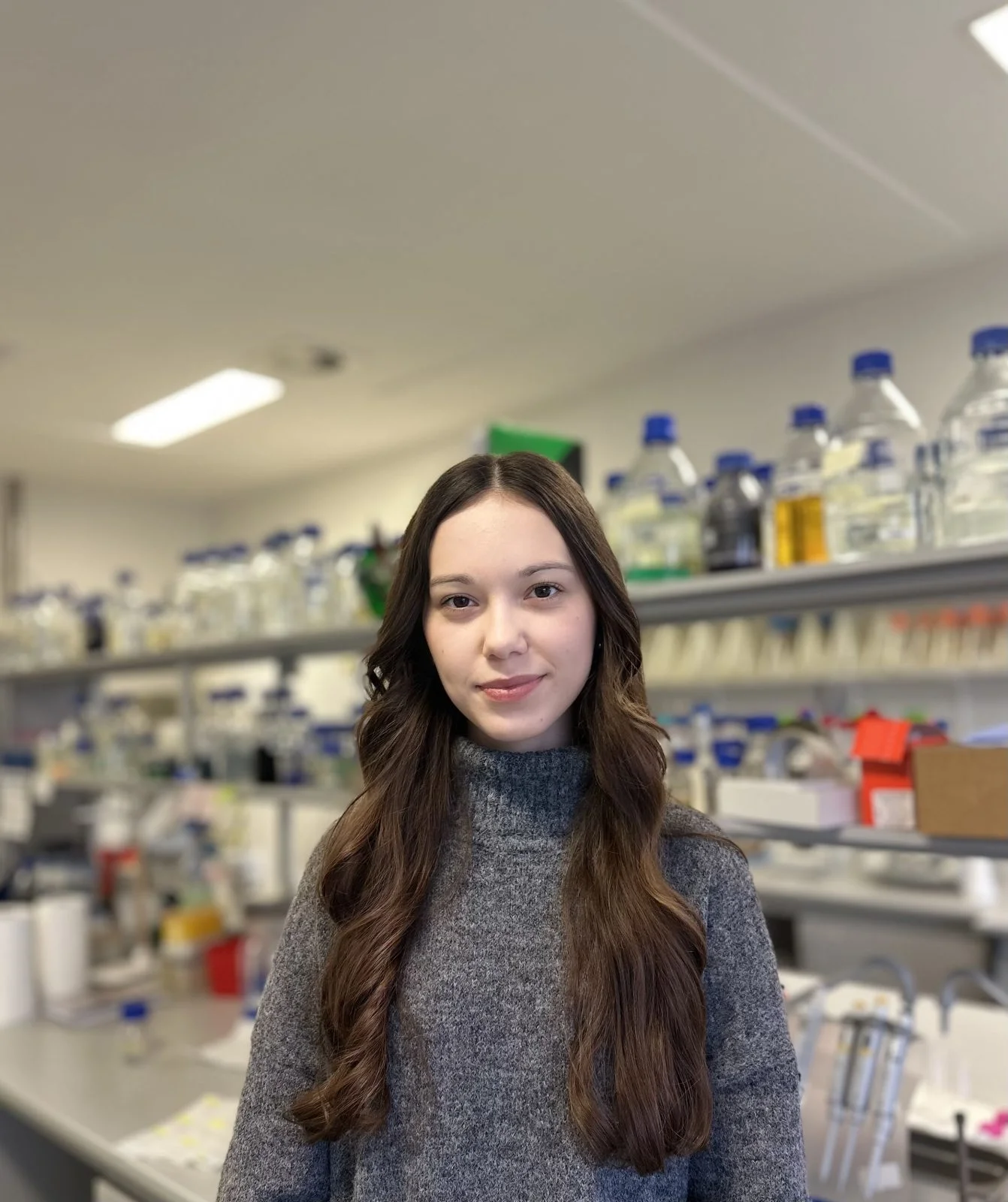
Mgr Julia Ptak (Department of Medical Biotechnology, Faculty of Biotechnology) received a PRELUDIUM grant for her project “Klucz do długowieczności: galektyny z unikalnego golca piaskowego jako potencjalne czynniki przeciwstarzeniowe w zastosowaniach biomedycznych” (“The Key to Longevity: Galectins from the Unique Naked Mole-Rat as Potential Anti-Aging Factors in Biomedical Applications”)
The naked mole-rat (Heterocephalus glaber) has become a fascinating subject for scientists because of its unusually long lifespan (over 30 years) and its resistance to diseases, including cancer. Studies have shown that high molecular weight hyaluronan in the extracellular matrix (ECM) plays a significant role in this resistance.
This project aims to investigate whether other ECM components are also linked to the rodent’s longevity. One such component is galectins – proteins that bind to sugars inside and on the surface of cells, helping regulate how cells communicate, grow, and die. The project will analyse the structure and function of naked mole-rat galectins, compare them with their human counterparts, and study how they affect cellular aging, apoptosis, and proliferation. Since galectins from this species have never been studied before, the results may offer new clues in the search for natural mechanisms that slow aging and prevent cancer.
For more information, please visit the National Science Centre’s website.
Prepared by Maria Kozan
Translated by Marta Burkiet (student of English Studies at the University of Wrocław) as part of the translation practice.
Date of publication: 2.12.2025
Added by: M.K.


