



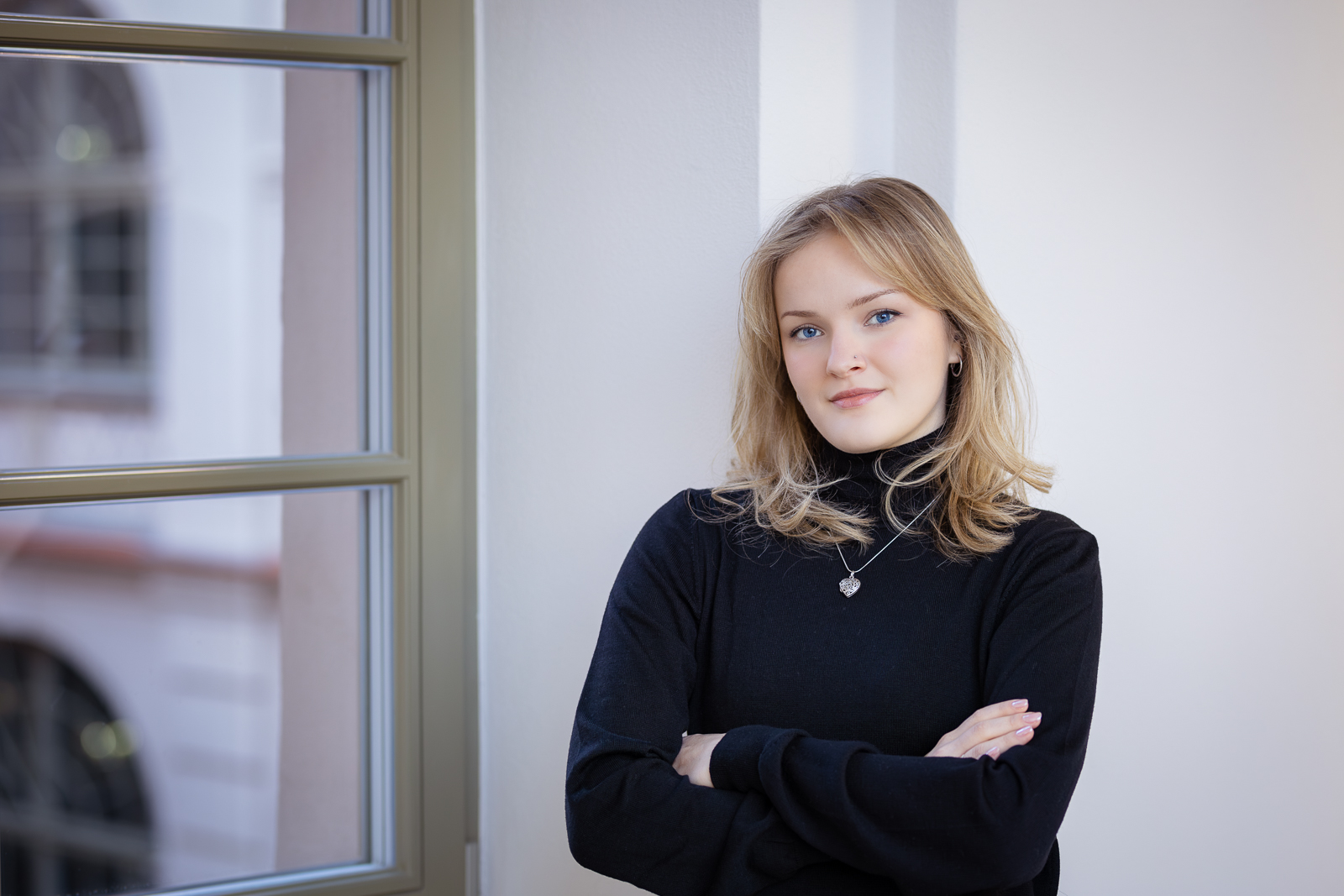
Young Researcher from the University of Wrocław – Nikola Żak
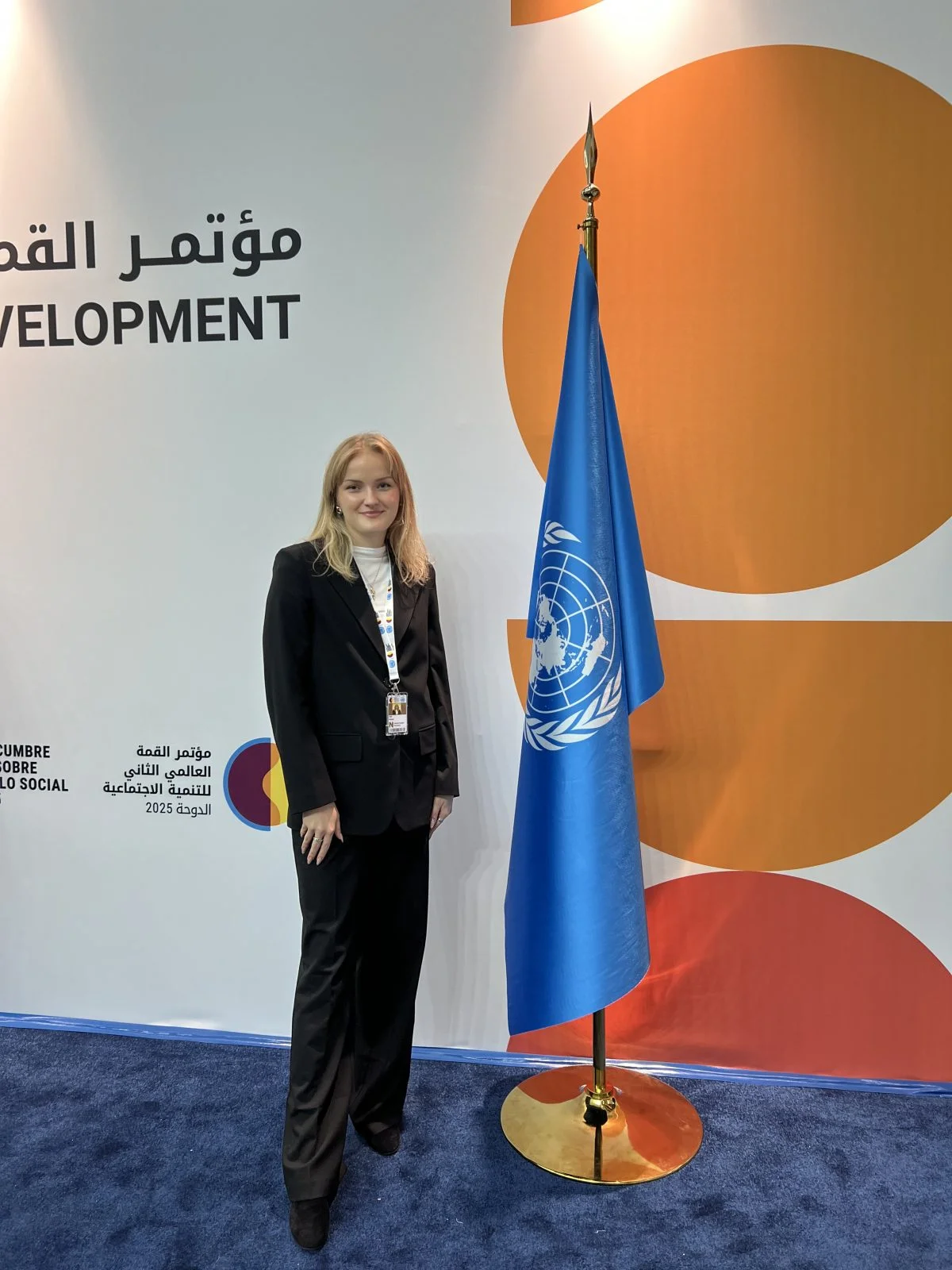
Nikola Żak chose to study European Diplomacy because she wants, in the future, to be present in the rooms where decisions are made and to have a real impact on improving the world around her. An IDUB grant for a trip to Qatar was her first step into such a room. Meet Nikola Żak, the latest ambassador of the “Young Researcher” programme at the University of Wrocław.
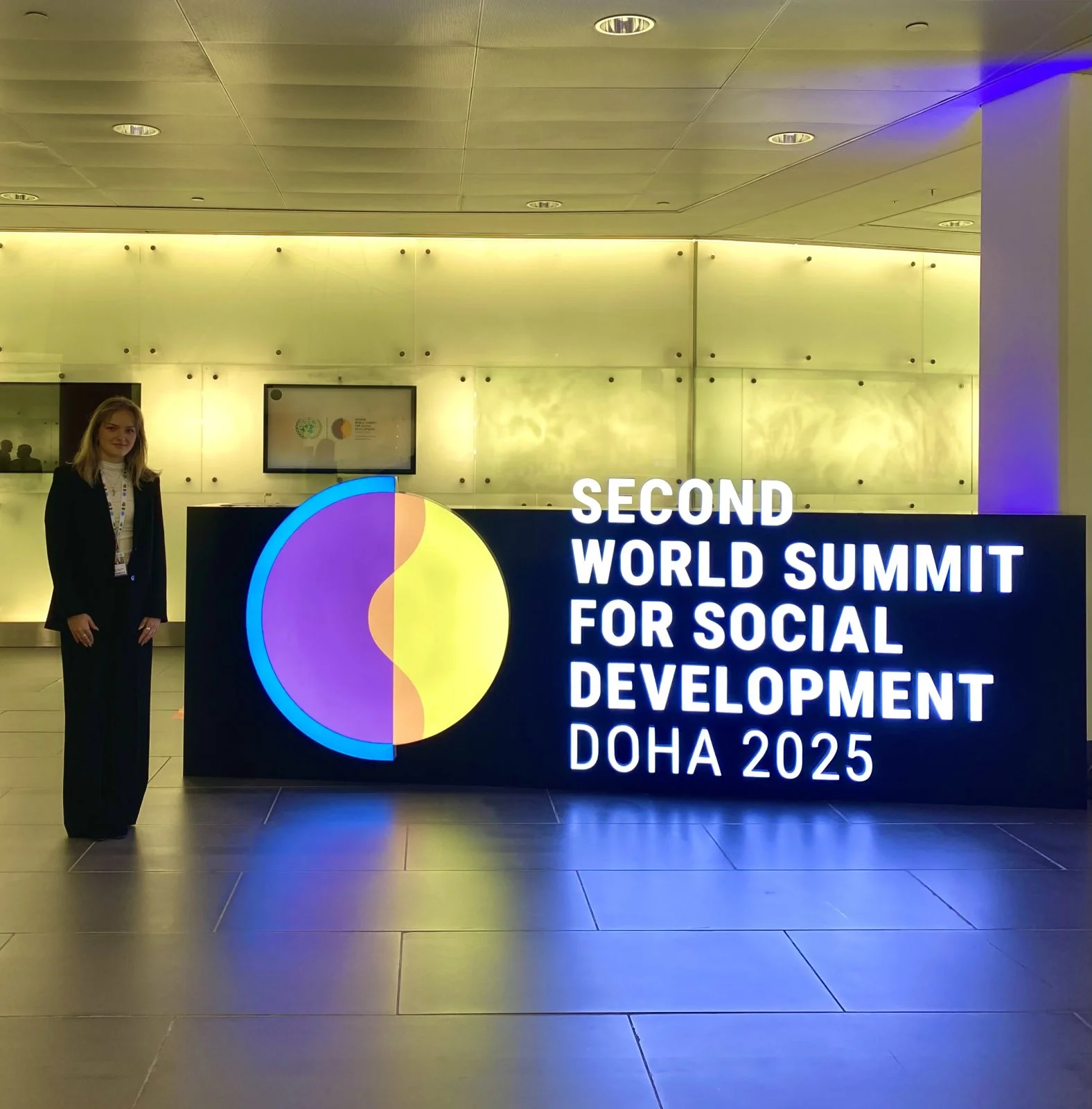
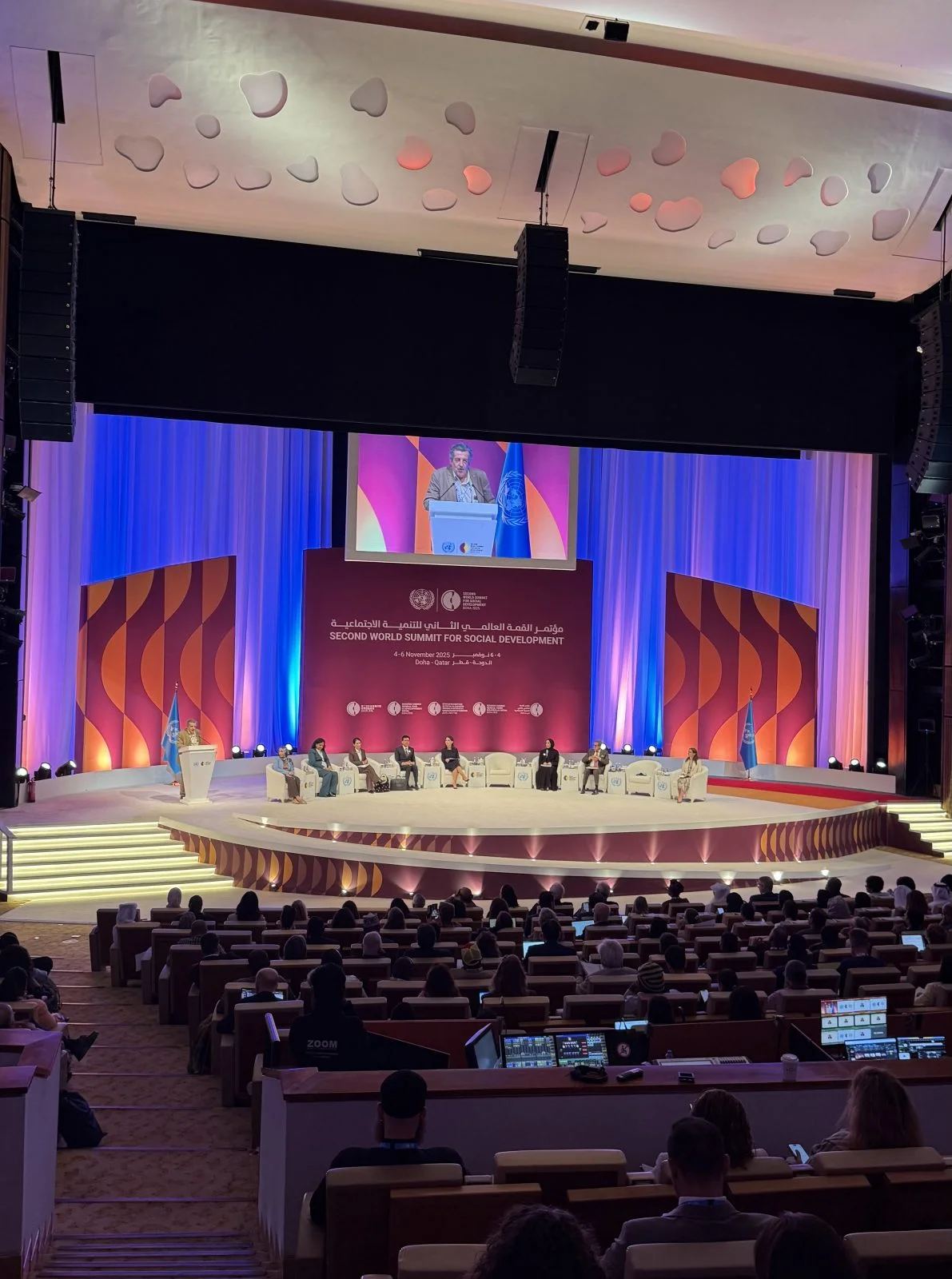
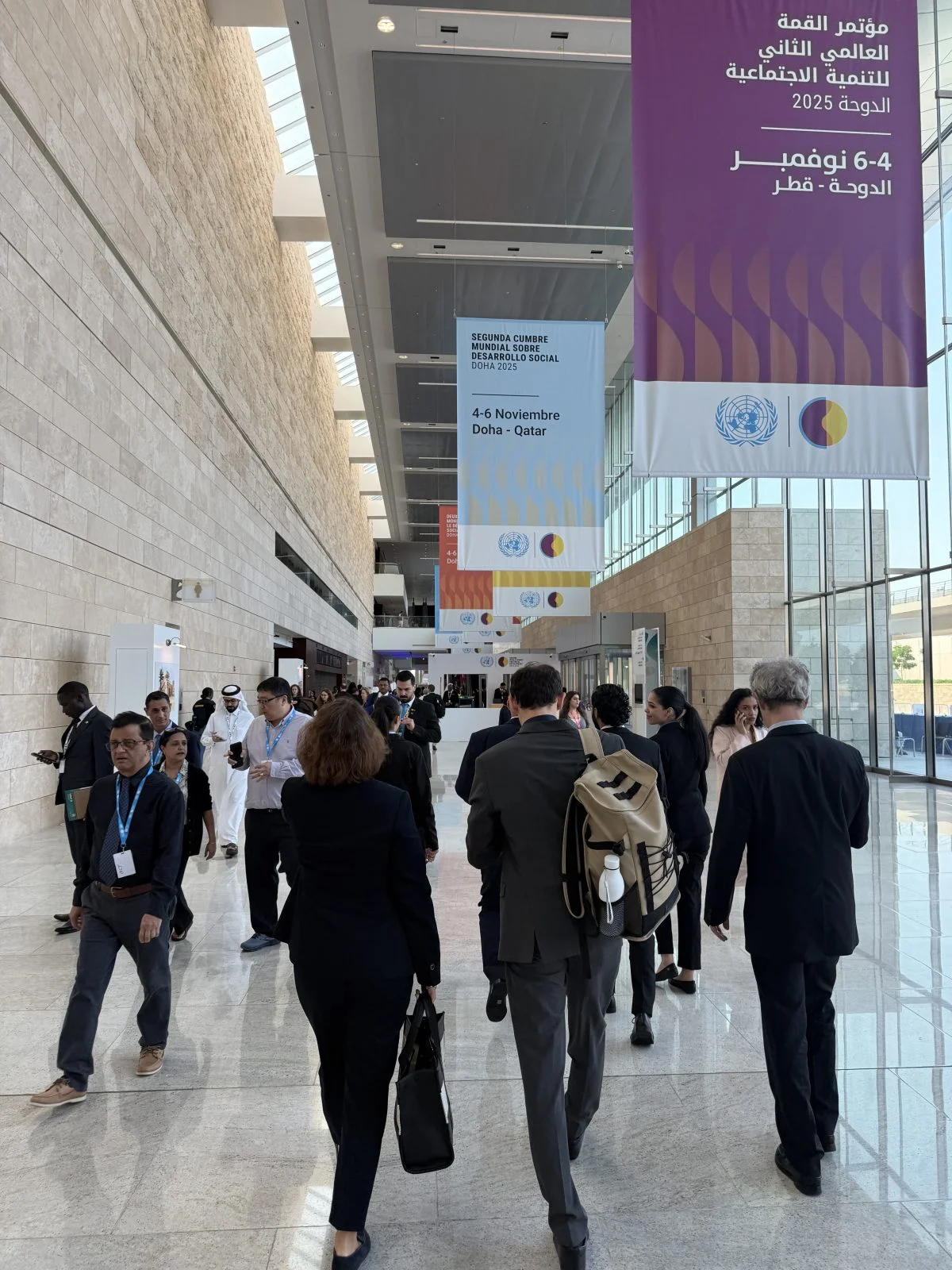
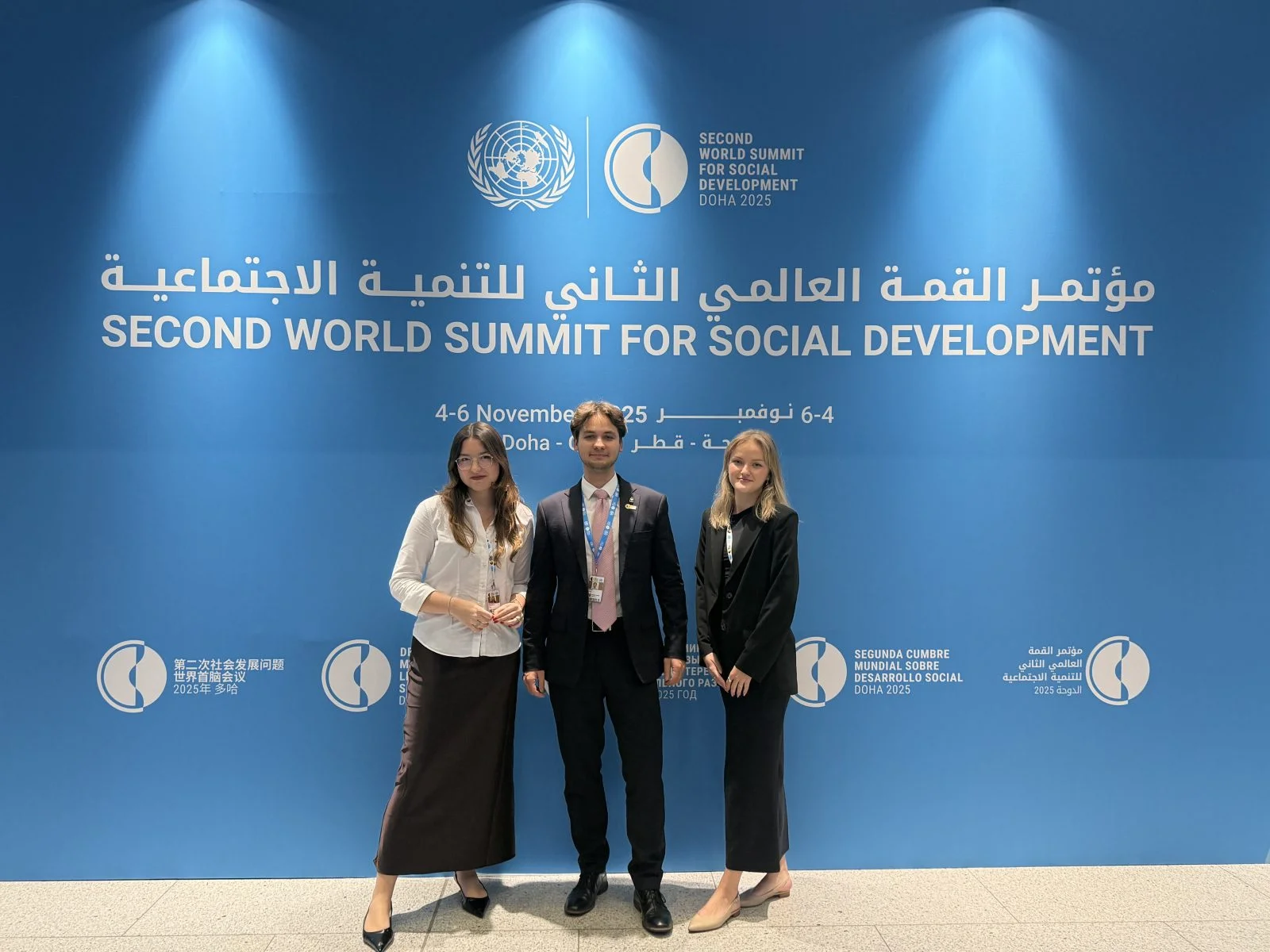
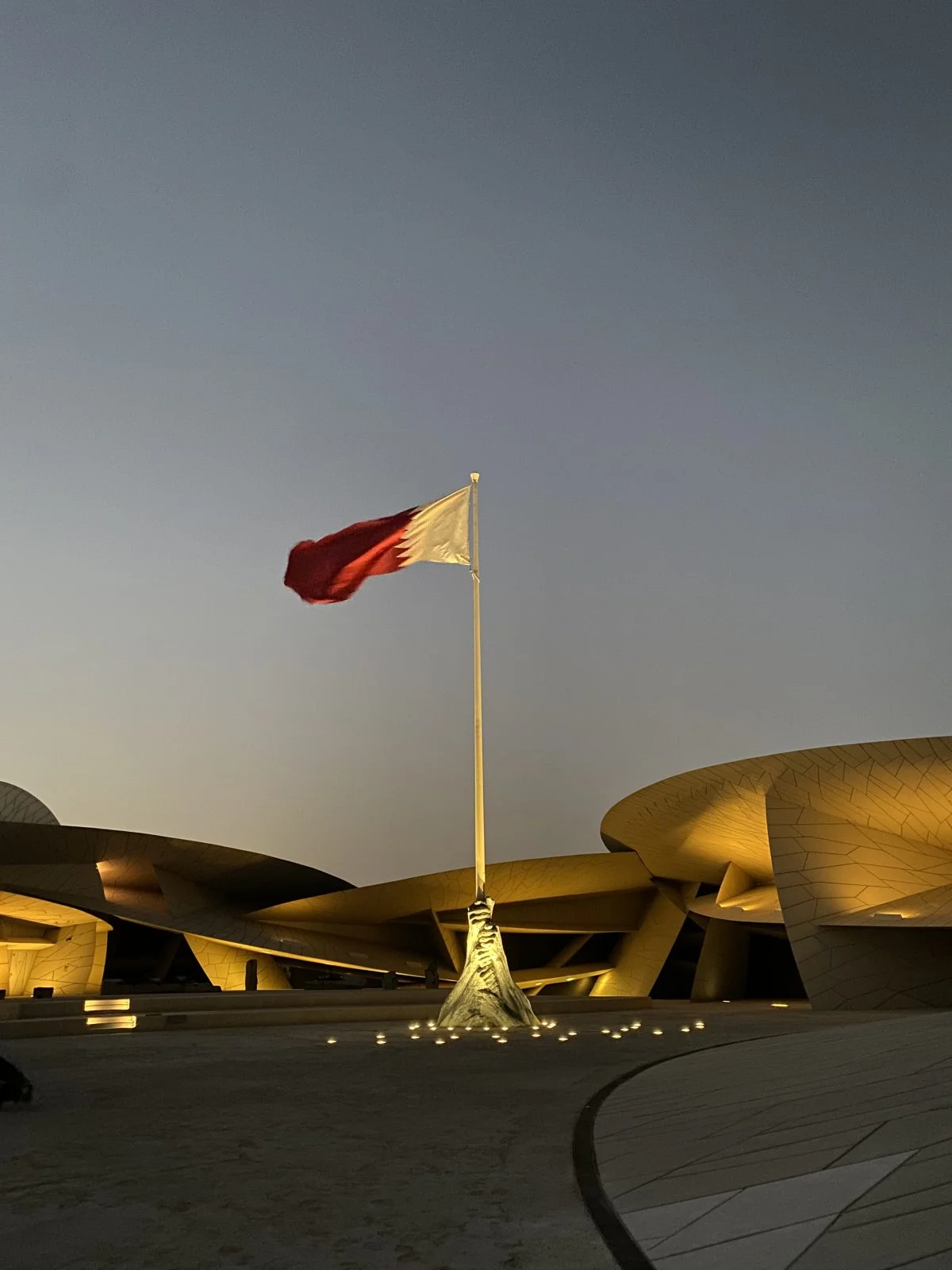
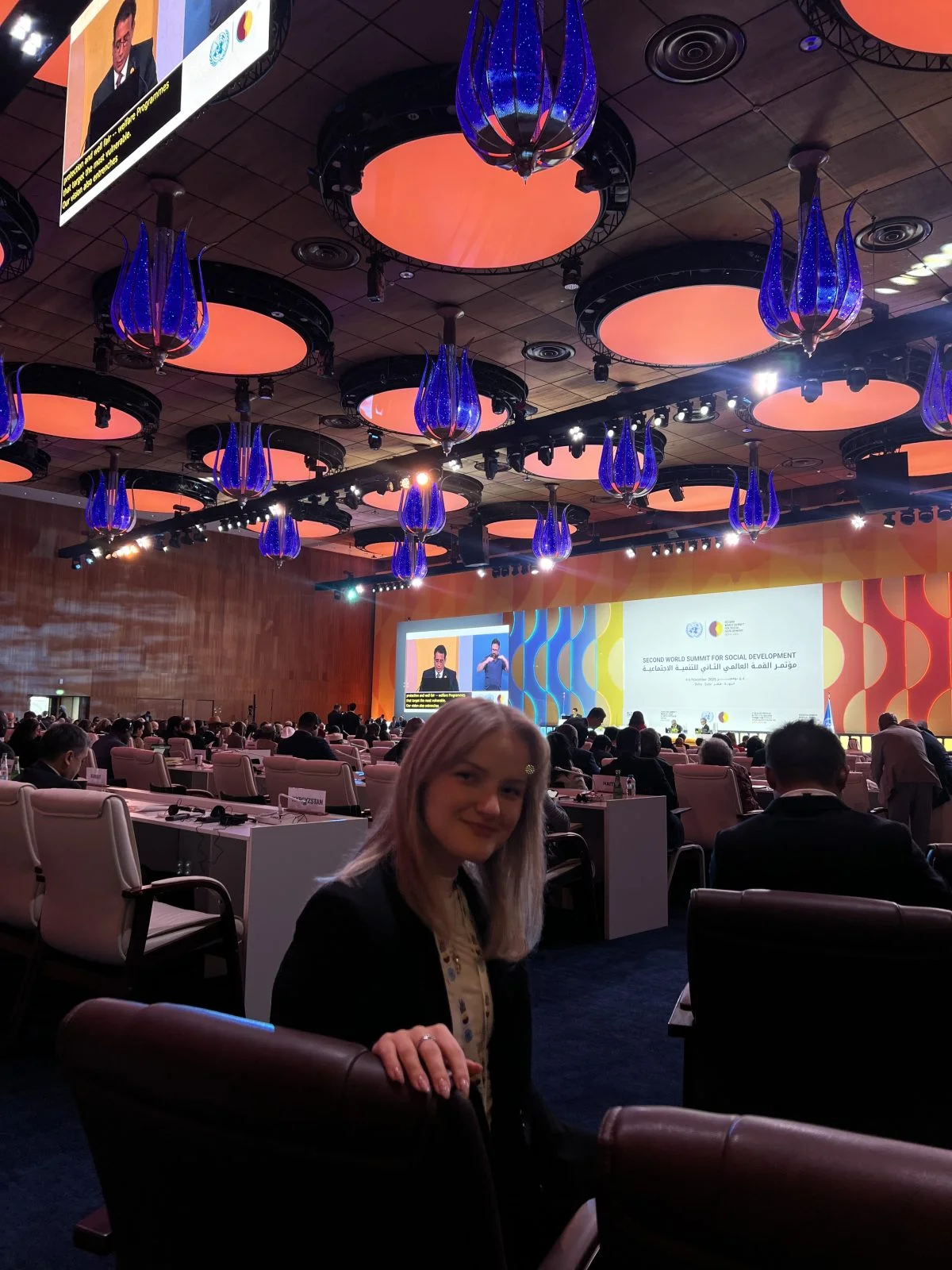
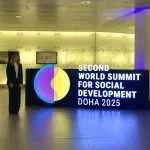
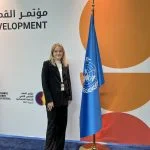
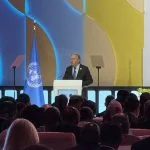
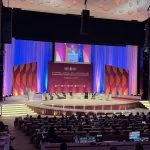
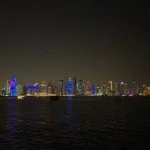
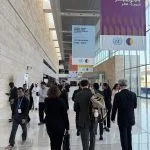
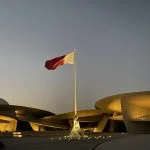
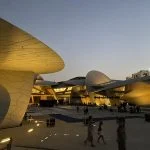
Although she is still a student, Nikola Żak took part in a landmark event – the Second United Nations World Summit for Social Development, held in Qatar, where the United Nations agenda in this field for the next 20 years was defined.
The UN organises conferences of this kind when global society is undergoing significant change. At present we face numerous challenges: ageing societies, migration, the status of women and children, and environmental issues. The previous summit of this kind took place 30 years ago in Copenhagen.
How did a student end up at such a prestigious conference?
Participation in the event was funded by a “Young Researcher” grant under the IDUB programme. Obtaining funding was possible, among other things, thanks to the student’s earlier involvement in a non-governmental organisation. Nikola is a member of the Young Diplomats Forum, which brings together students of international relations, law and related fields from nine of the largest cities in Poland. The organisation has nearly 500 members and branches in, among others, Łódź, Kraków, Warsaw, Lublin and Wrocław. For two years Nikola served as Chair of the Wrocław branch of the Forum, and she is currently the organisation’s Press Officer. One of the Forum’s members is also active in Mental Health Rescuers, an organisation accredited with the UN. An internal competition was held to decide who would travel to the summit in Qatar. Our student won.
− Everything happened very quickly − the “young diplomat” recalls. − When I won the competition, I contacted one of the lecturers with whom I have a good relationship and who I know supports me. He advised me to get in touch with the Dean and the Vice-Rector for Student Affairs. They referred me to the IDUB office, which assessed that my trip qualified for funding.
Young Polish diplomats among global leaders
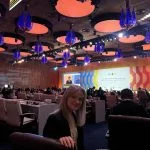
The UN summit in Doha, the capital of Qatar, brought together around two thousand participants from all over the world. The opening ceremony was attended by world dignitaries: state representatives, kings (including the King of Belgium and monarchs from Africa), and many presidents. Poland was represented by Ambassador Krzysztof Szczerski, Permanent Representative of the Republic of Poland to the UN, and Ambassador Tomasz Sadziński, Head of the Polish diplomatic mission in Doha.
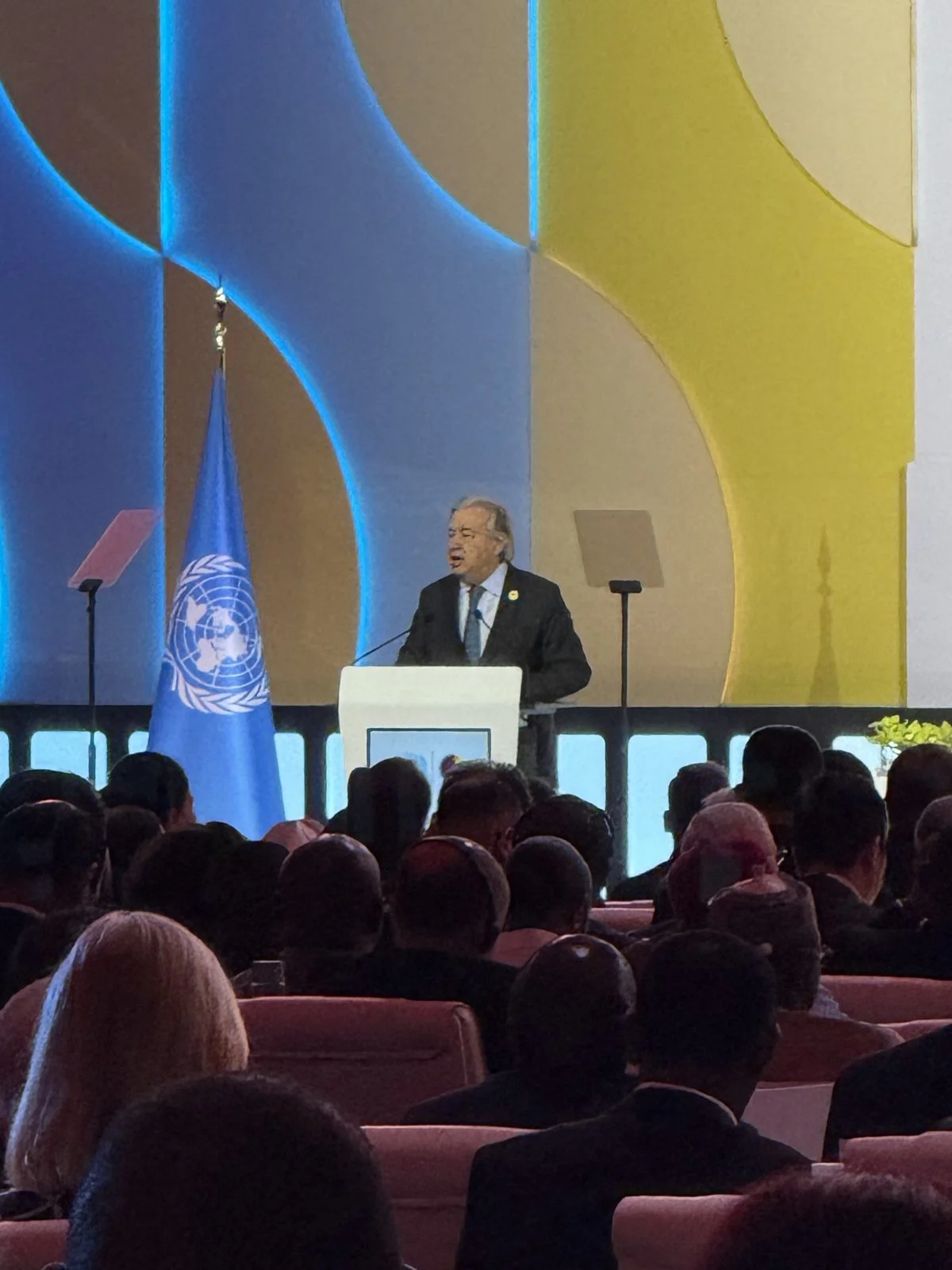
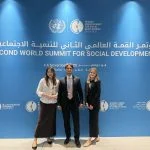
− I never expected that, at the age of 23, I would be in the same room as the UN Secretary-General António Guterres, and sitting next to the King of Belgium in the plenary hall − Nikola reports. It is worth noting that the Polish students were among the youngest delegations at the summit and the only representatives of Poland apart from the staff of Polish diplomatic missions. The delegation consisted of eight people, seven from the University of Warsaw; Nikola was the only student from Wrocław.
What is sustainable social development?
− To explain the concept of sustainable development, we need to look at how diverse today’s world is and how much countries differ in terms of their level of development. The greatest problem is the lack of empathy between states – the West towards Africa or vice versa – because each region faces completely different challenges − explains the European Diplomacy student. − For example, I took part in a panel on ageing societies in Asia, where a representative of the Indonesian ministry said that officials are unable to carry out a full population census. For us, this is unimaginable – everyone has a PESEL number, and Statistics Poland conducts regular censuses. For them, it is a huge infrastructural challenge.
Indonesia or India face different problems from those of the Czech Republic or Poland. In order to speak about sustainable development, all these perspectives must be taken into account and a common path found – one that does not equalise countries but allows them to move in the same direction. Sustainable development is inclusive development, taking into account all citizens: older people, children, women and vulnerable groups.
An inclusive discussion of humanity’s greatest challenges
The challenges most frequently discussed at the summit were: ageing societies, increasing external migration, the situation of women, and the position of young people in the labour market.
During the conference, the student took part in a panel on the “age gap” in the labour market, which addressed generational differences and the difficulties faced by young people starting their careers.
− There was a lot of discussion about the fact that in Western countries the market is saturated with well-educated people, while at the same time few companies – in both the private and public sectors – are willing to employ people with little work experience and invest in them − she explains. − In my opinion, it is not that young people do not want to work. They do – there are simply not enough places where they can gain experience.
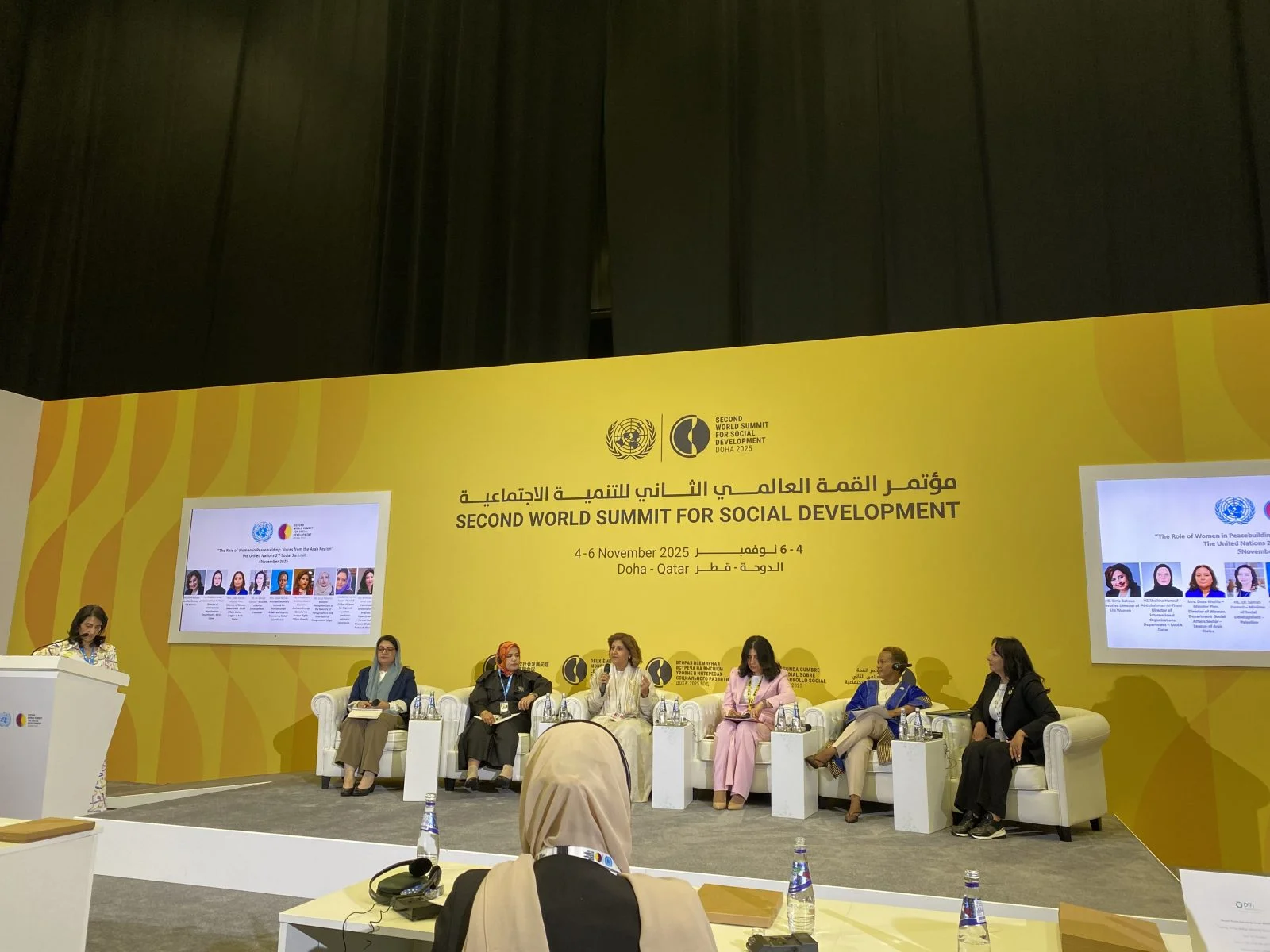
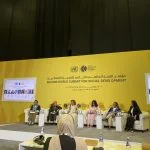
One of the most interesting panels, according to Nikola Żak, was Women in Peacebuilding in the Arab Region. It focused on the role of women from the Middle East engaged in peace-building activities. The panel discussed the situation in Israel and Palestine, conflicts in Sudan, Somalia and other countries that receive far less attention in Western media, as well as the role of women in the region and how to strengthen their social and political position.
− What surprised me was how many men from the region were in the audience. Often, discussions about women involve only women. Here it was different – and I think that is extremely valuable, because it is difficult to change patriarchal societies without the participation of men. They are crucial if change is to happen − she comments. − At the same time, I had a reflection: to what extent was their presence driven by genuine interest, and to what extent by a desire to present themselves well to the international community? Many of them were wearing traditional clothing, with keffiyehs. I do not know whether their participation was spontaneous or somewhat performative.
The students were also invited by Ambassador Tomasz Sadziński to the Polish Embassy in Doha, where diplomats spoke about Qatar’s policies, diplomatic relations and the behind-the-scenes aspects of cooperation with Qatari partners.
Thanks to her participation in the conference, Nikola was able to learn first-hand about the situation in countries of the Global South. − I am interested in the Middle East, so the opportunity to hear women from the region was extremely valuable. These are societies that rarely share their perspective and are often closed for religious and cultural reasons. I believe this experience will also help me professionally. I would like to continue my education in the field of human rights. In the future, I would like to work on combating international crimes, such as human trafficking – which is a major problem in the Middle East − she explains.
Qatar and sustainable development
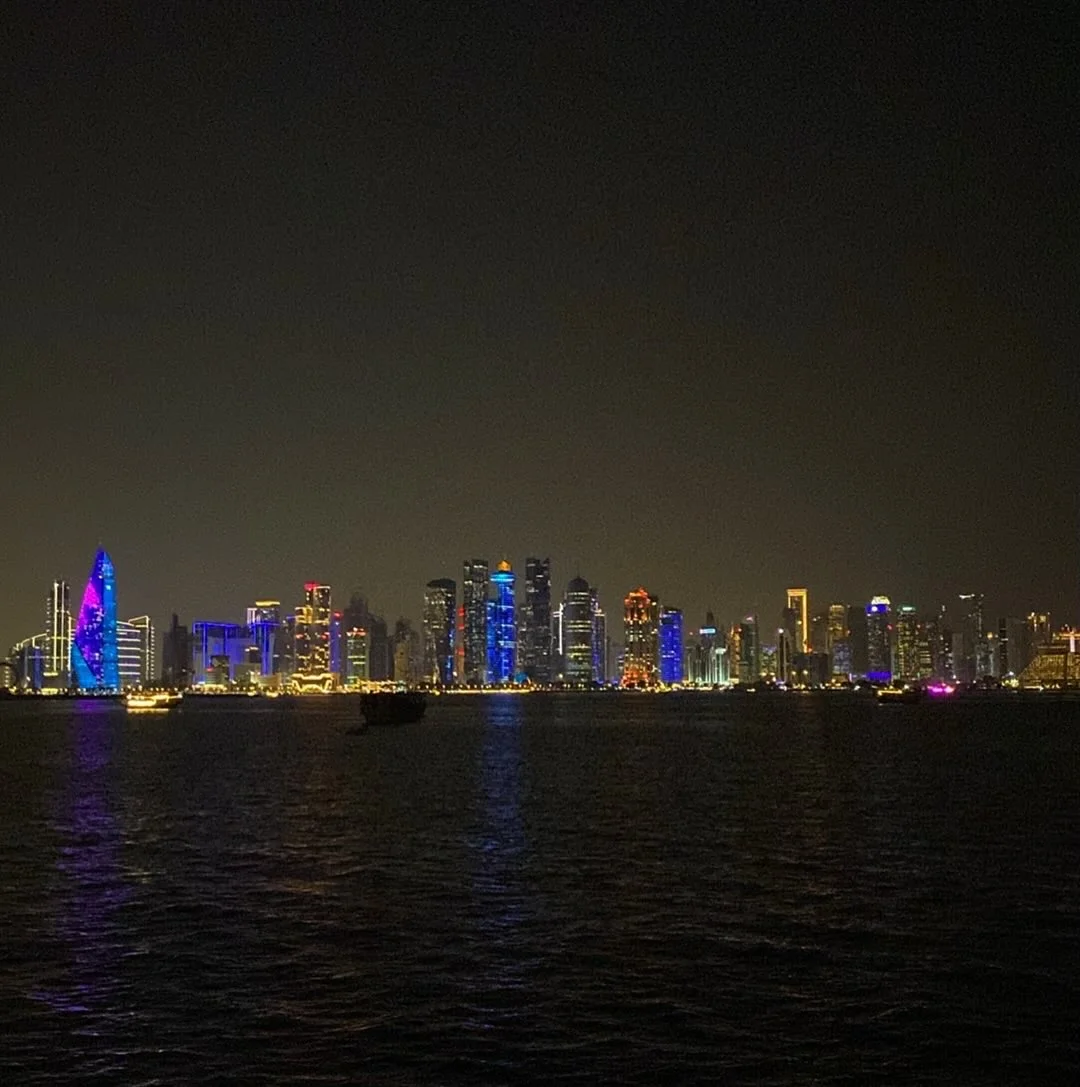
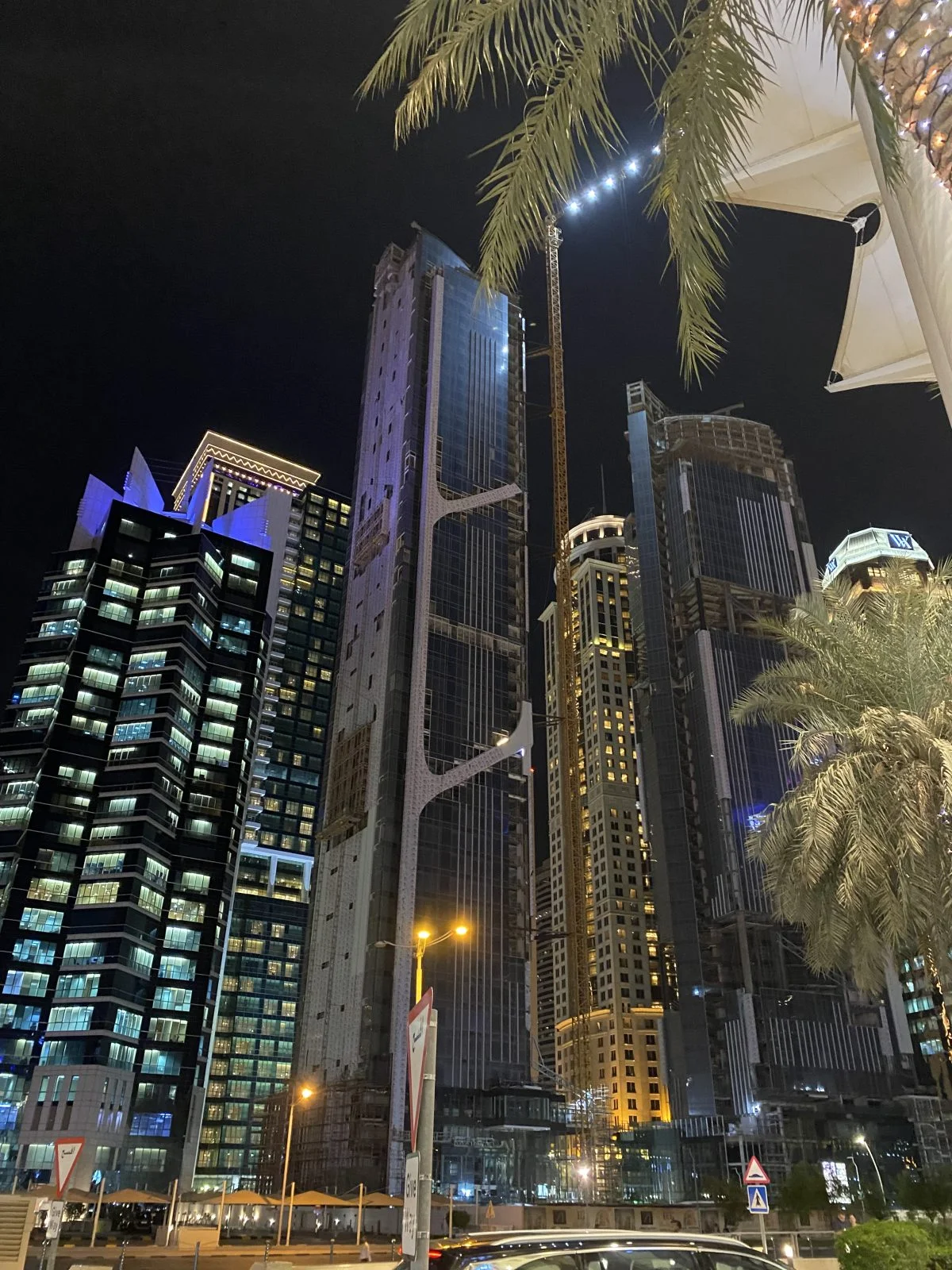
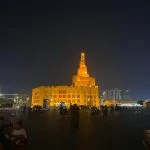
Asked how the ideas of sustainable development are implemented by the host country, the student emphasises that she is aware of Qatar’s controversial reputation. − The debate about Qatar intensified in 2022 during the FIFA World Cup. Many controversies emerged regarding workers’ rights – in practice, we were dealing with forms of forced labour and even modern slavery. Many migrant workers died during the construction of stadiums and infrastructure.
Qatar has a very specific demographic structure. There are around 300,000 Qatari citizens, while the total population is almost 3 million. The remainder are labour migrants, mainly from Bangladesh, India and the Philippines. Although wages are higher than in their home countries, conditions can be difficult.
− The way Qatar has developed is, of course, open to debate − the student admits. − At present, the country is clearly changing direction. It is building its image as a regional mediator, a country engaged in dialogue and peace initiatives. The very fact that it hosted a UN summit seems symbolic. Qatar wants to be perceived as a modern state, supporting workers’ rights, human rights and social development. It is also unusual for the region that women sit in the Qatari Shura Council, the equivalent of a parliament. The number is still small, but by Gulf standards it is a significant step.
One of Qatar’s problems is the infrastructure built for the World Cup. A large proportion of hotels and sports facilities now remain unused (as a curiosity, the student notes that all stadium seats in the World Cup venues were manufactured in Poland). Qatar therefore needs to open itself to the West, as tourists from the region alone will not fill these spaces. Maintaining air-conditioned buildings and bus stops generates enormous costs and energy demand. − I was in Qatar in November – the temperature exceeded 30°C. In summer it can reach 50°C, so without air conditioning life would be practically impossible. In such a climate, it is difficult to speak of full sustainability − Nikola says.
Qatar developed thanks to oil; previously, its main source of income had been pearl diving in the Persian Gulf. It was only after the discovery of oil reserves that the country began to grow rapidly.
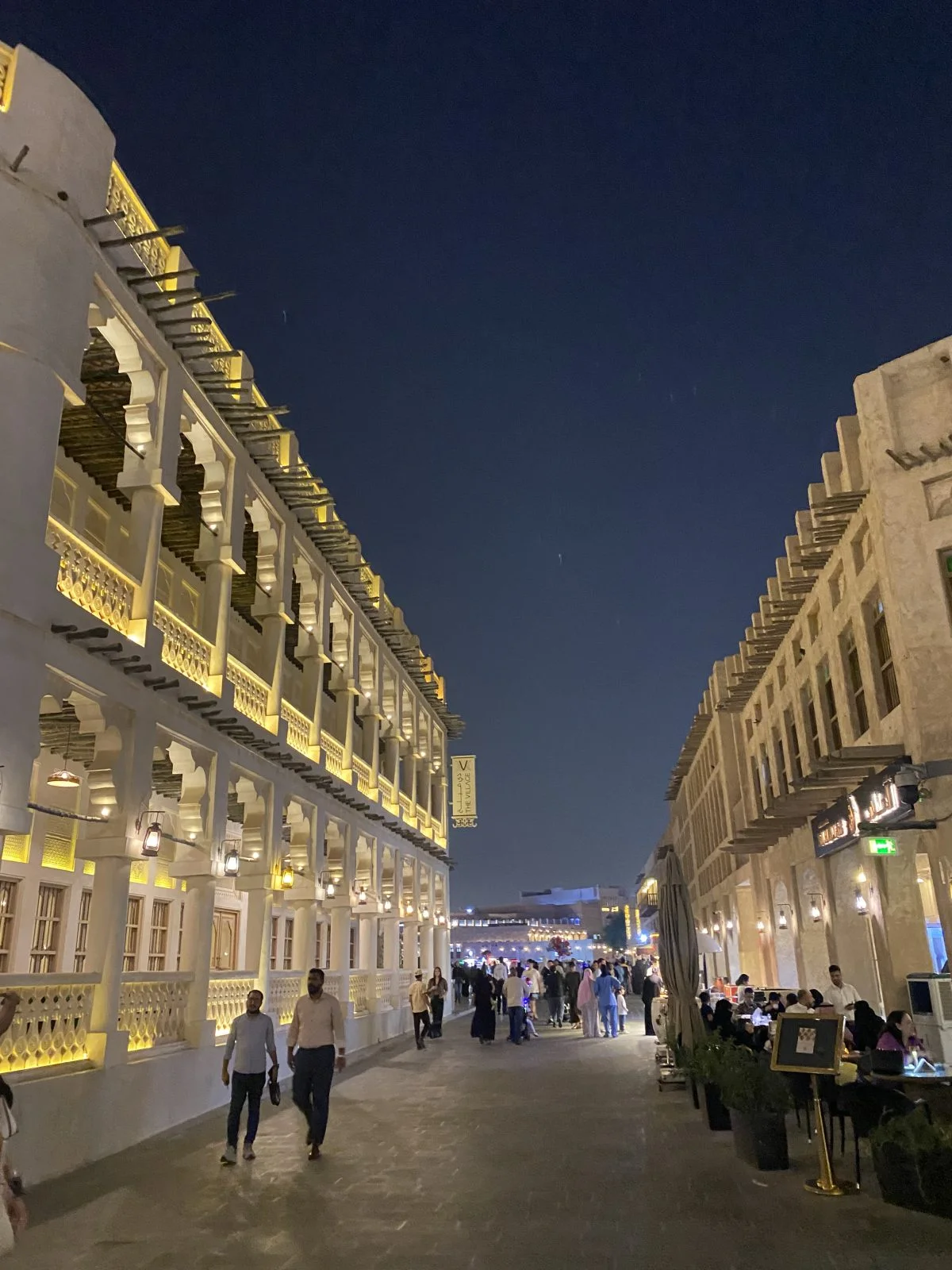
− Qatar is fascinating in many respects – on the one hand closed, on the other trying to be open and to act as a mediator in the region. In terms of dress, it is not Dubai. As women, we were required to cover our shoulders and knees, although head coverings were not mandatory. Out of respect for local culture, we tried to dress modestly − the UN conference participant explains.
Why European Diplomacy at the University of Wrocław?
− The degree in European Diplomacy interested me greatly. At secondary school I was in a social-legal profile, so legal, social and political issues were close to me. I have always been socially engaged – I took part in various protests and have a strong sense of social injustice − the student admits. European Diplomacy combines elements of law, international relations and work in the public sector – precisely the area where one can influence the shape of the world. − I wanted to be in the rooms where decisions are made and to have an impact on improving reality. I realise that such changes take time and often require generational change. But I would like to be part of that change – introducing solutions that genuinely improve people’s lives.
Networking as a key element of diplomacy
Nikola’s future plans revolve around further education and development in diplomacy. She would like to pursue another master’s degree in international law or human rights and ultimately work in an international organisation.
She emphasises how many opportunities for development her involvement in the Young Diplomats Forum provides. − We organise meetings with ambassadors, volunteer at the Warsaw Security Forum, which each year brings together leading figures from the world of security and diplomacy. We have organised conferences and meetings with, among others, Radosław Sikorski and Aleksander Kwaśniewski. We also attend the Economic Forum in Karpacz. In February, I am going to the International Students’ Congress – an event for Polish students studying abroad.
Events organised by the Forum or attended by its members attract truly high-level participants. However, the organisation has no permanent funding and operates on membership fees and grants.
The “young diplomat” stresses that without the University of Wrocław the trip would not have been possible. − I am extremely grateful to the University for deciding to fund my trip; I would particularly like to thank the staff of the IDUB office, who were very helpful. I would encourage all students to apply for the ‘Young Researcher’ grant. It is not only for doctoral students – undergraduate and master’s students can also benefit and attend international conferences. It is an incredible opportunity for personal development and for representing the University at global events.
Nikola Żak also highlights the importance of networking in diplomacy, giving a concrete example from the UN conference. − At one of the panels we met a professor from the University of Essex who also teaches at Oxford. He later wrote to us saying that he would like to come to Warsaw and organise a meeting, as he often visits Poland. That is why I truly recommend applying for such grants – it is worth it.
Applications for the Young Researcher Grant are still open!
How to apply? All information is available on the IDUB UWr website.
Meet other young researchers:
Edit. Ewelina Kośmider
Added by: E.K.
Date of publication: 26.01.2026


