



A medieval treasure returns to Wrocław – augustinian manuscript back in the holdings of the University Library
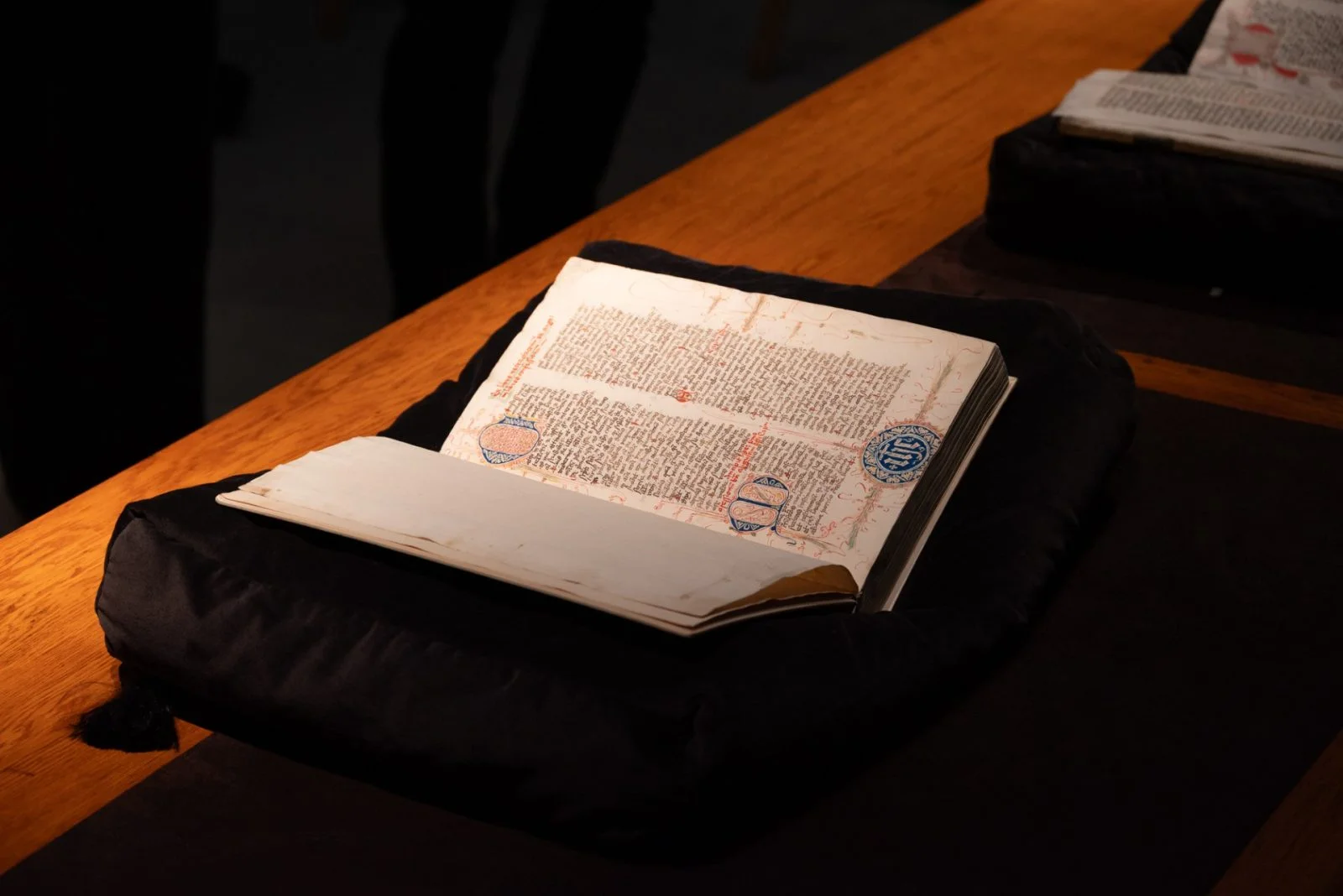
One of the most valuable monuments of medieval writing has returned to Wrocław – a fifteenth-century manuscript of the works of St Augustine, long regarded as an exceptional element of Silesian cultural heritage. Its reappearance in the collections of the Library of the University of Wrocław marks an event of great significance both for the academic community and for the wider regional public.
Last week, an official handover ceremony took place at the Embassy of the Republic of Poland in Paris. Those attending the ceremony emphasised that the manuscript is a true “VIP” among medieval codices. Returned to Poland with due respect, it was transported to the country under the care of the Ministry of Culture and National Heritage and Minister Marta Cienkowska. After a safe flight to Warsaw, it was conveyed to Wrocław under the supervision of the Director of the Library of the University of Wrocław.
Once again, Wrocław has become the place where this priceless work has found its natural and historical home.
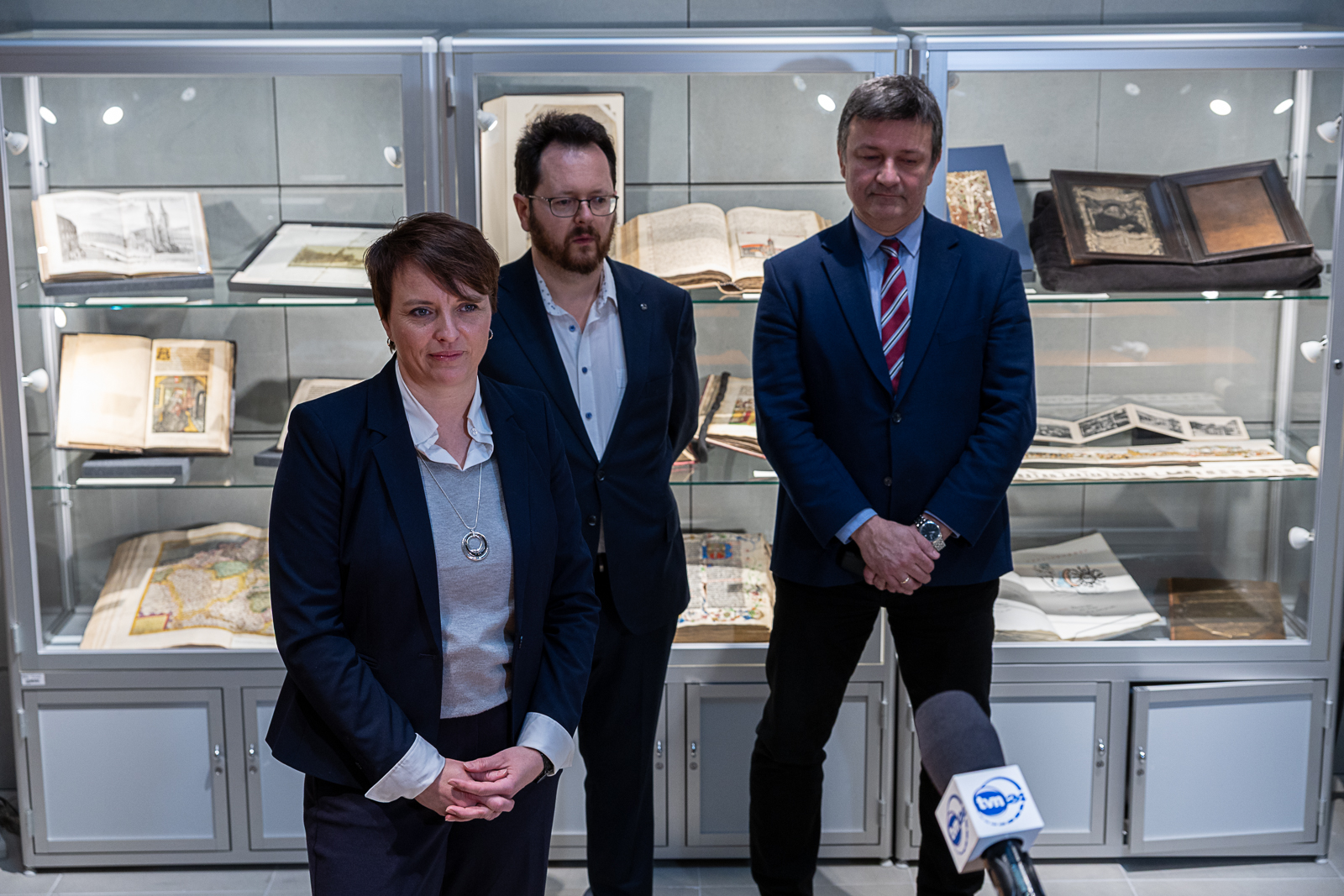
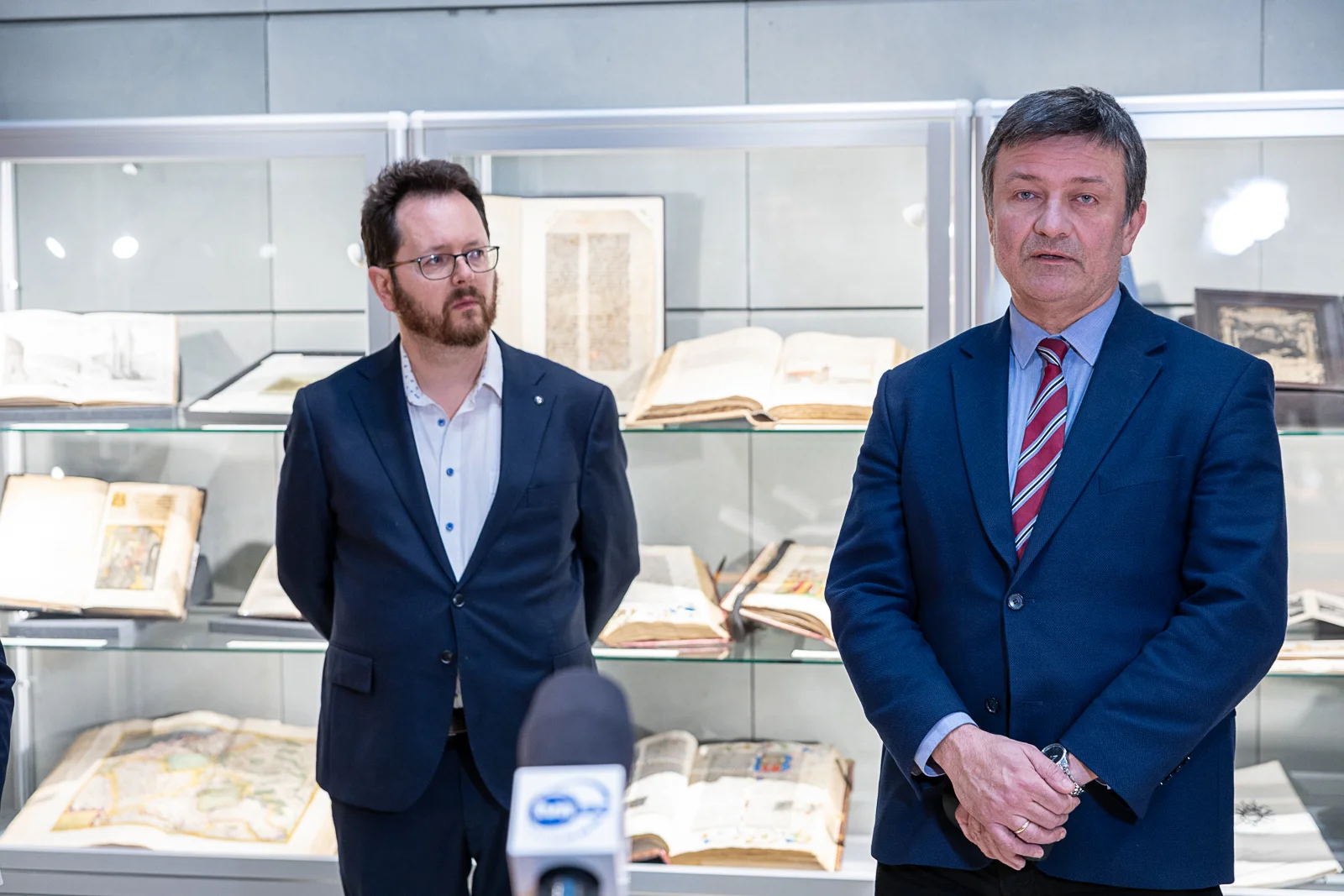
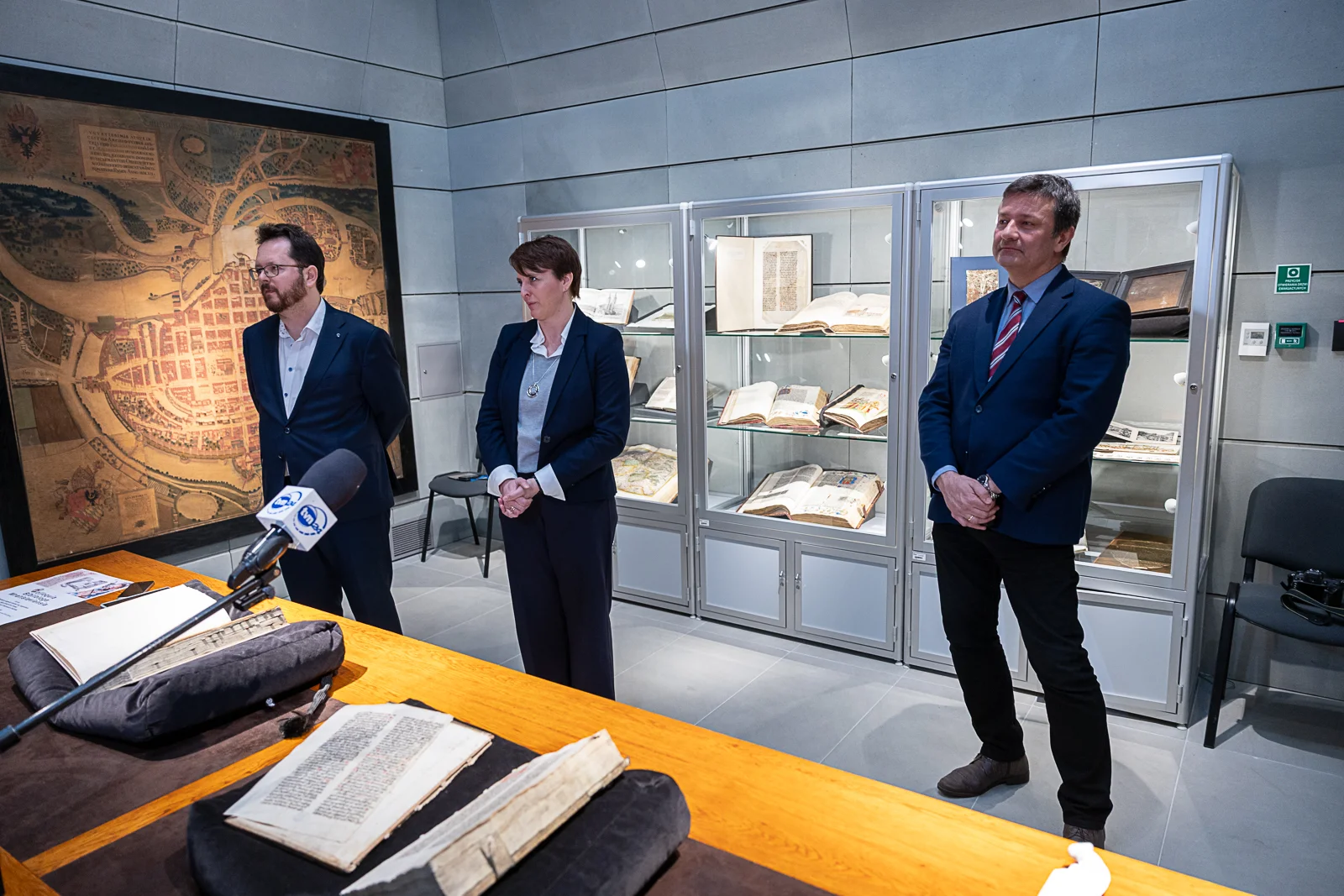
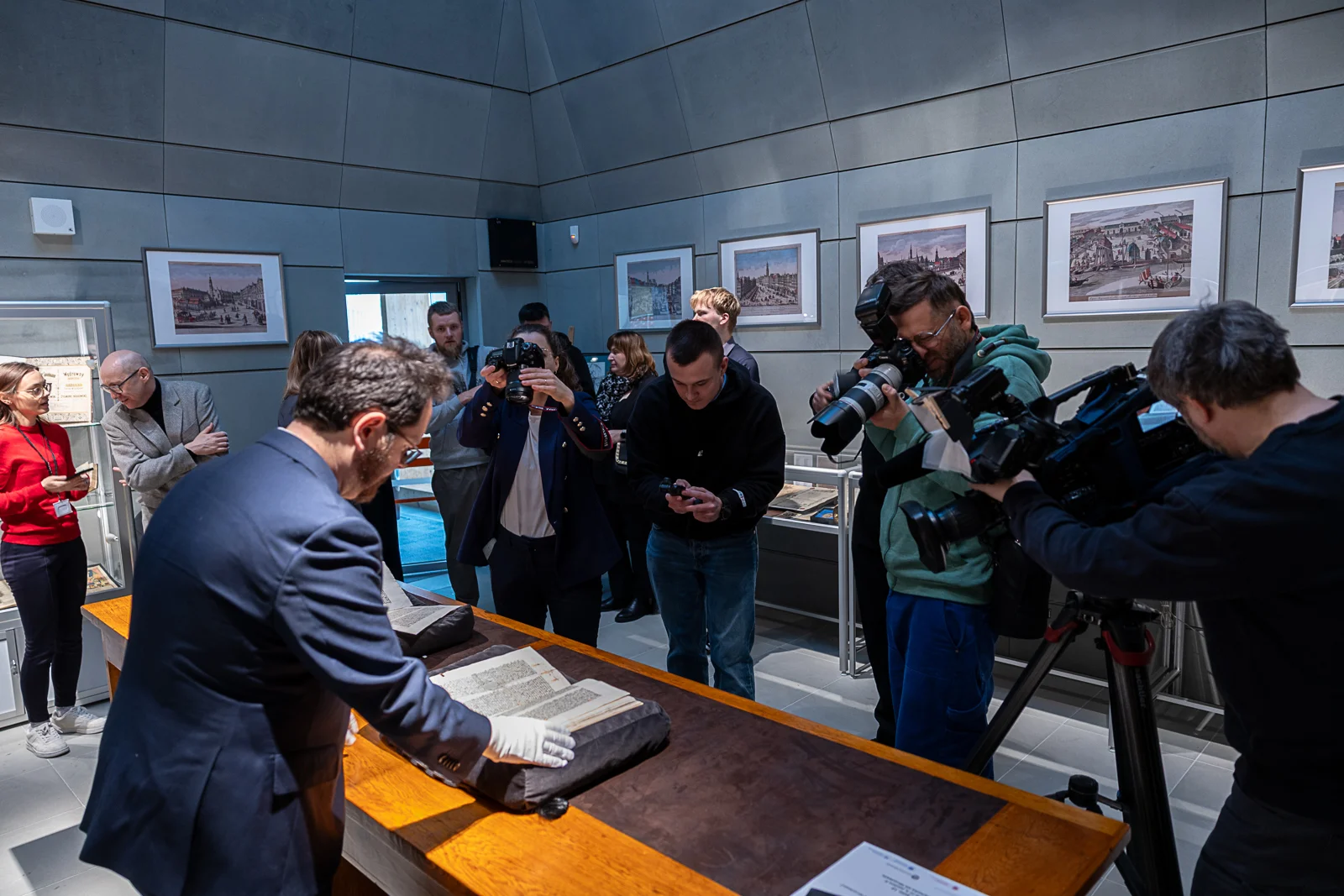
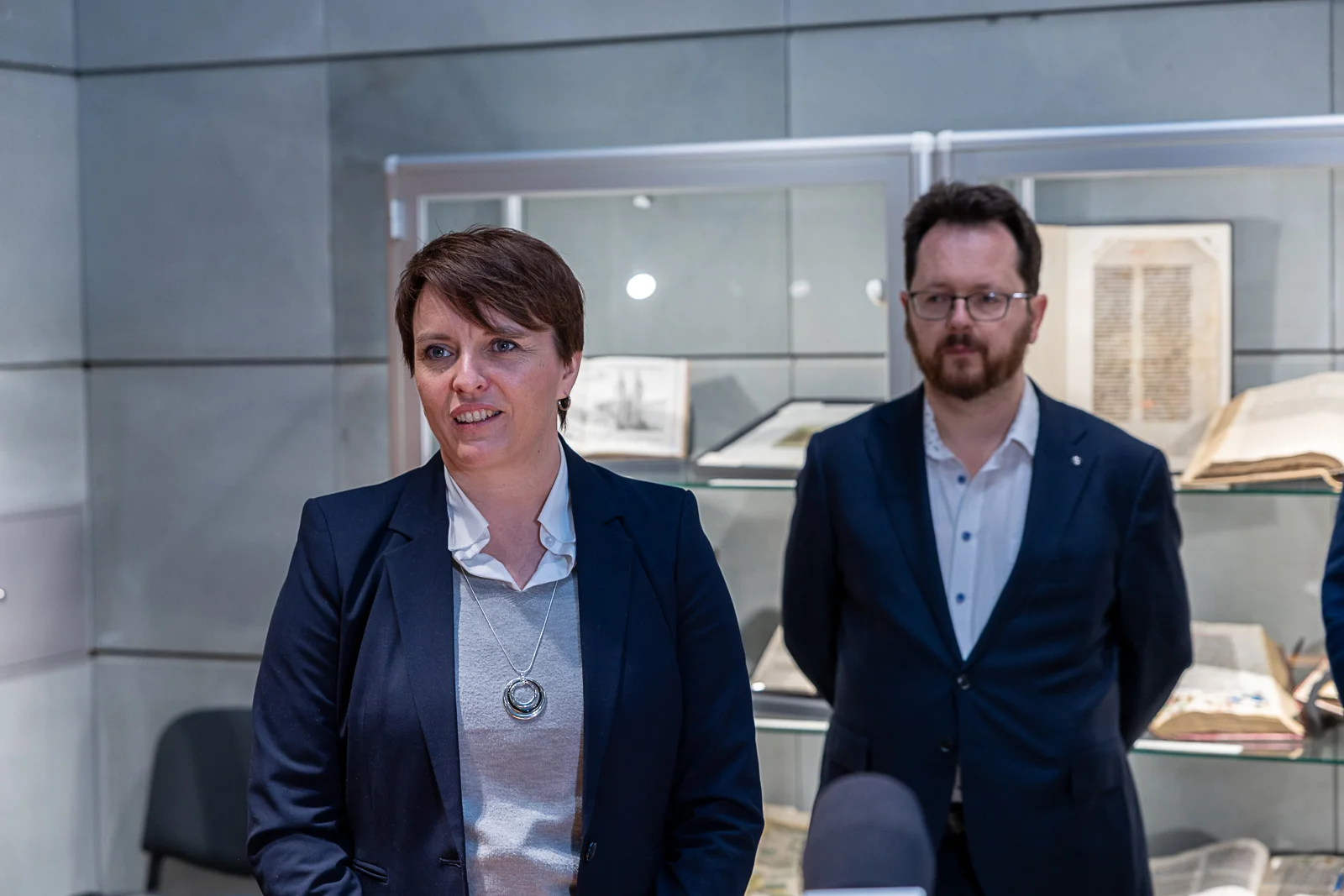
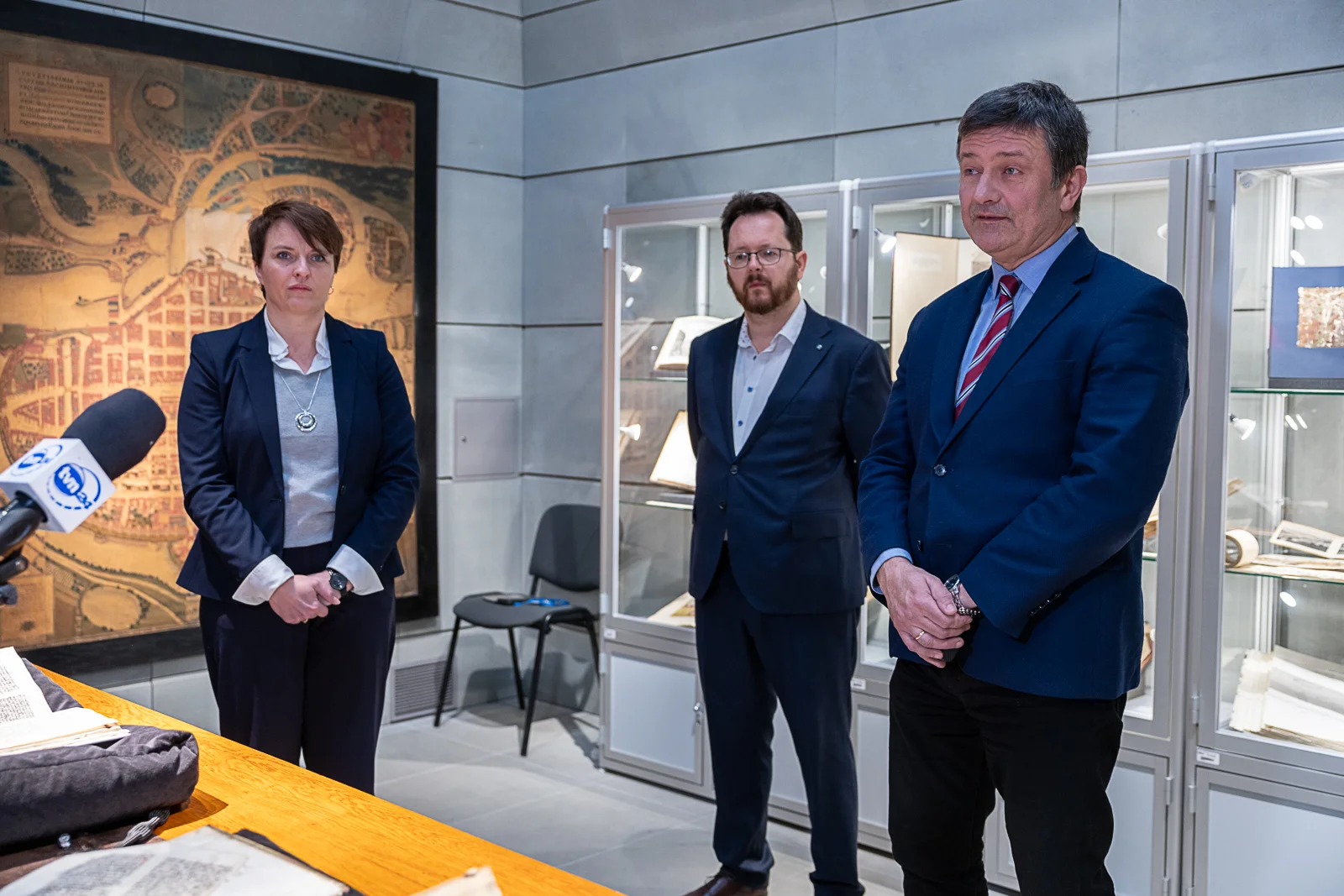
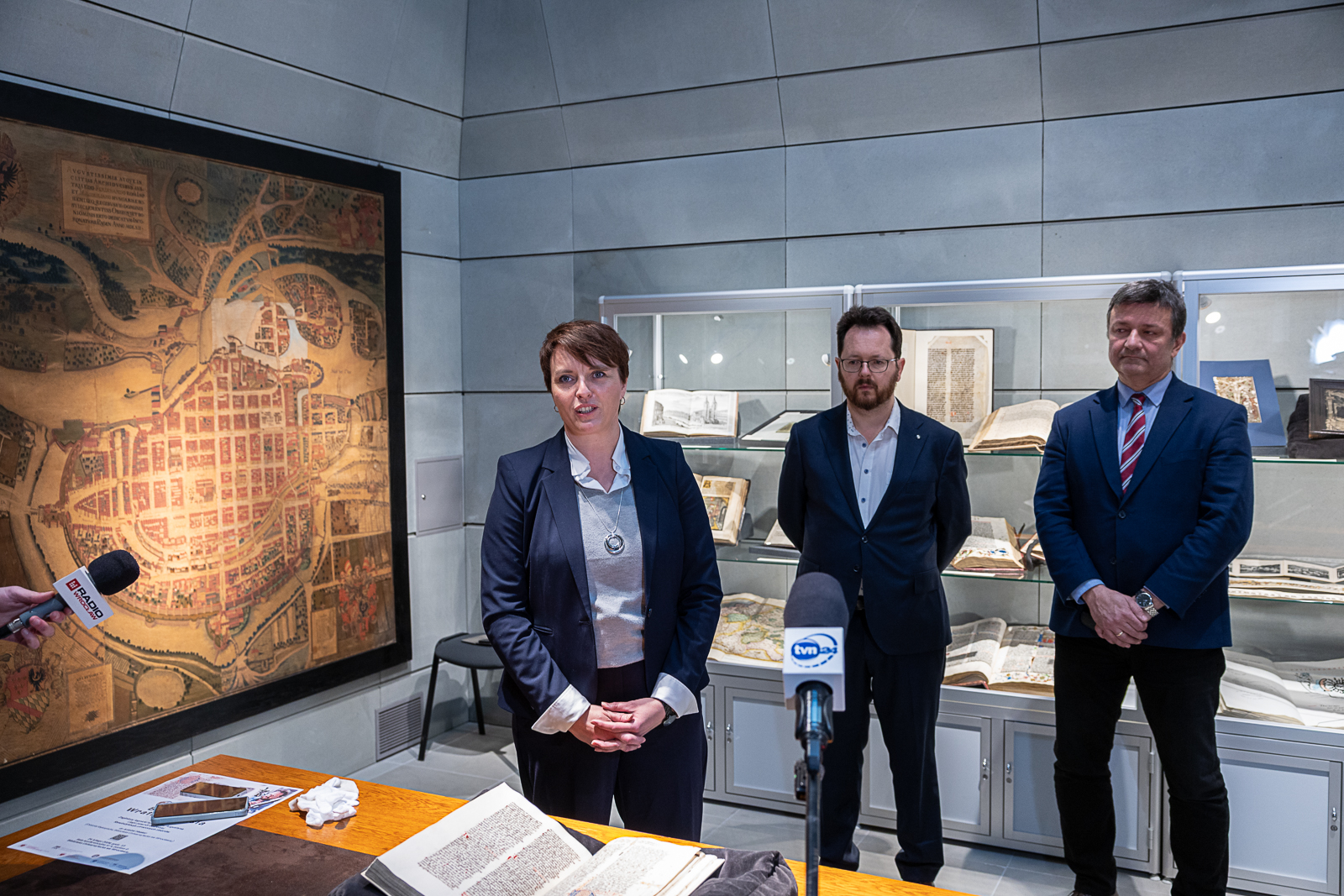
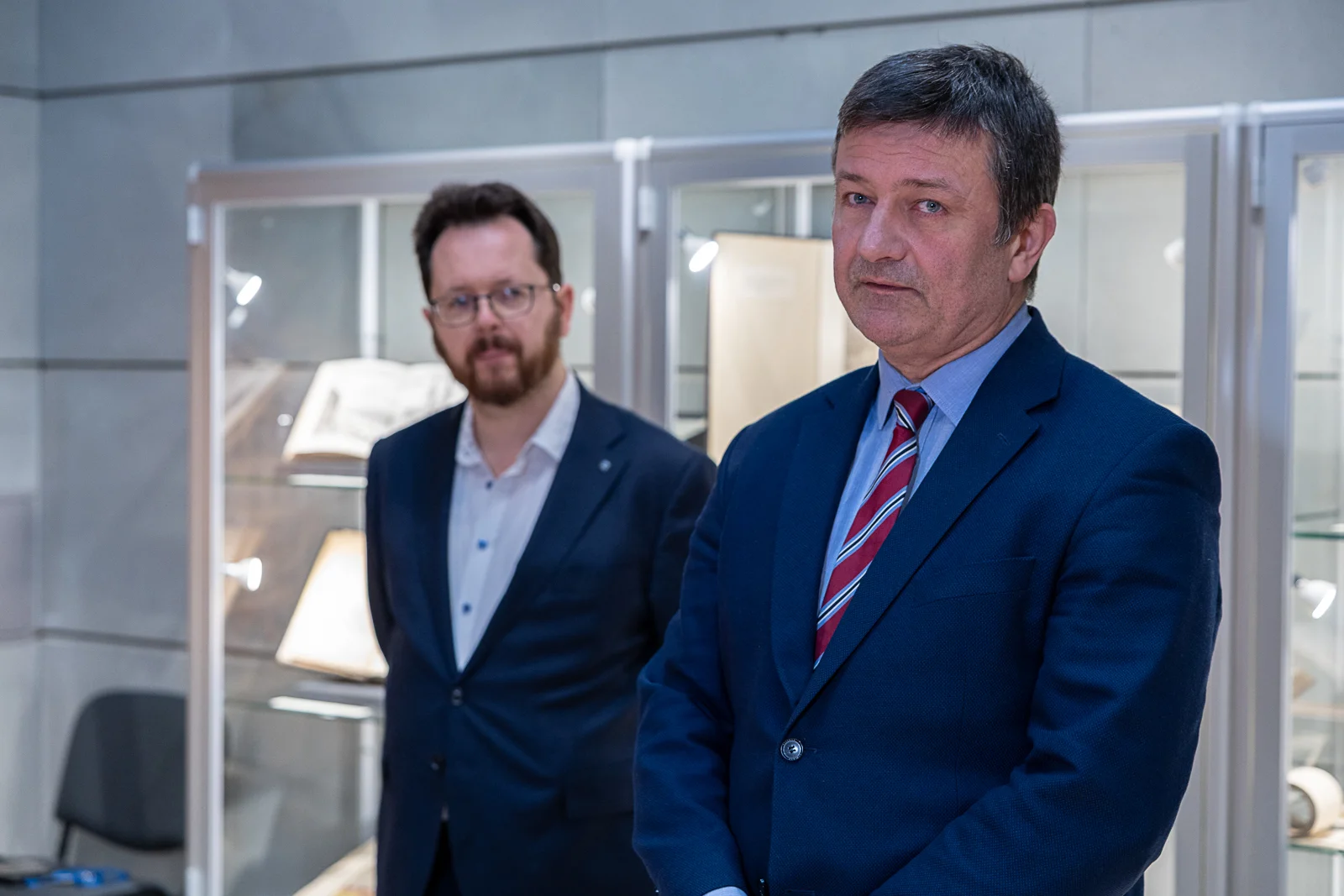
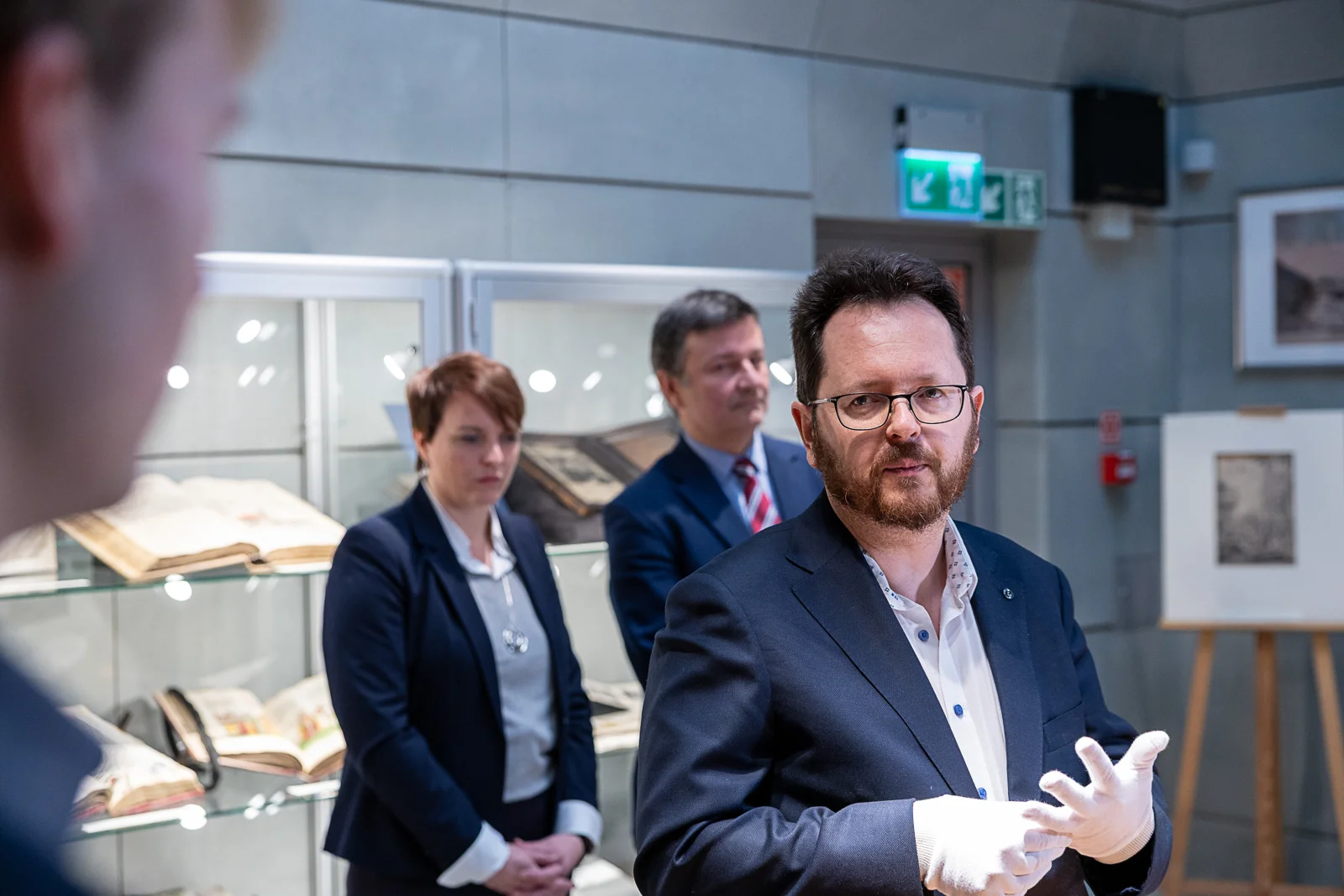
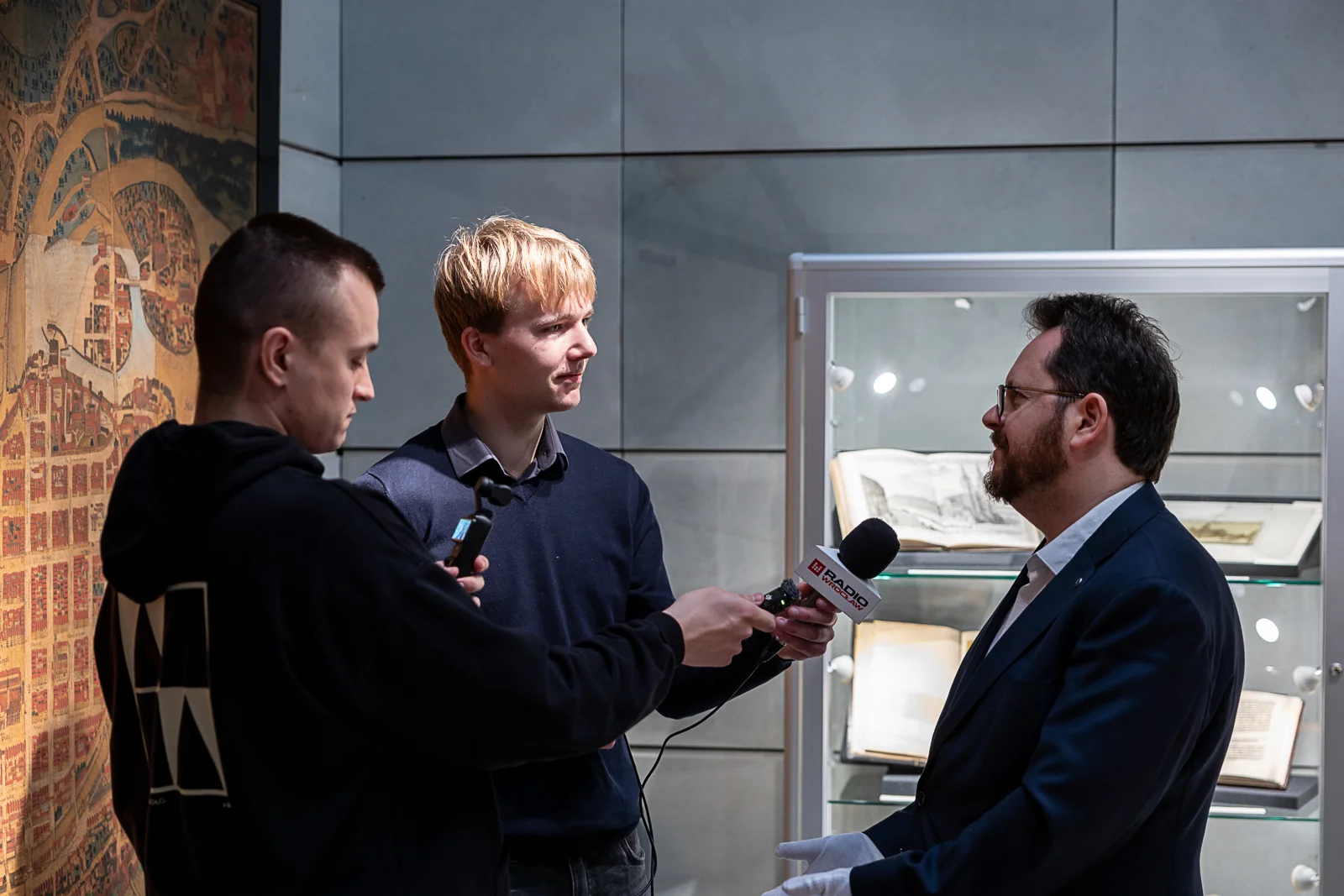
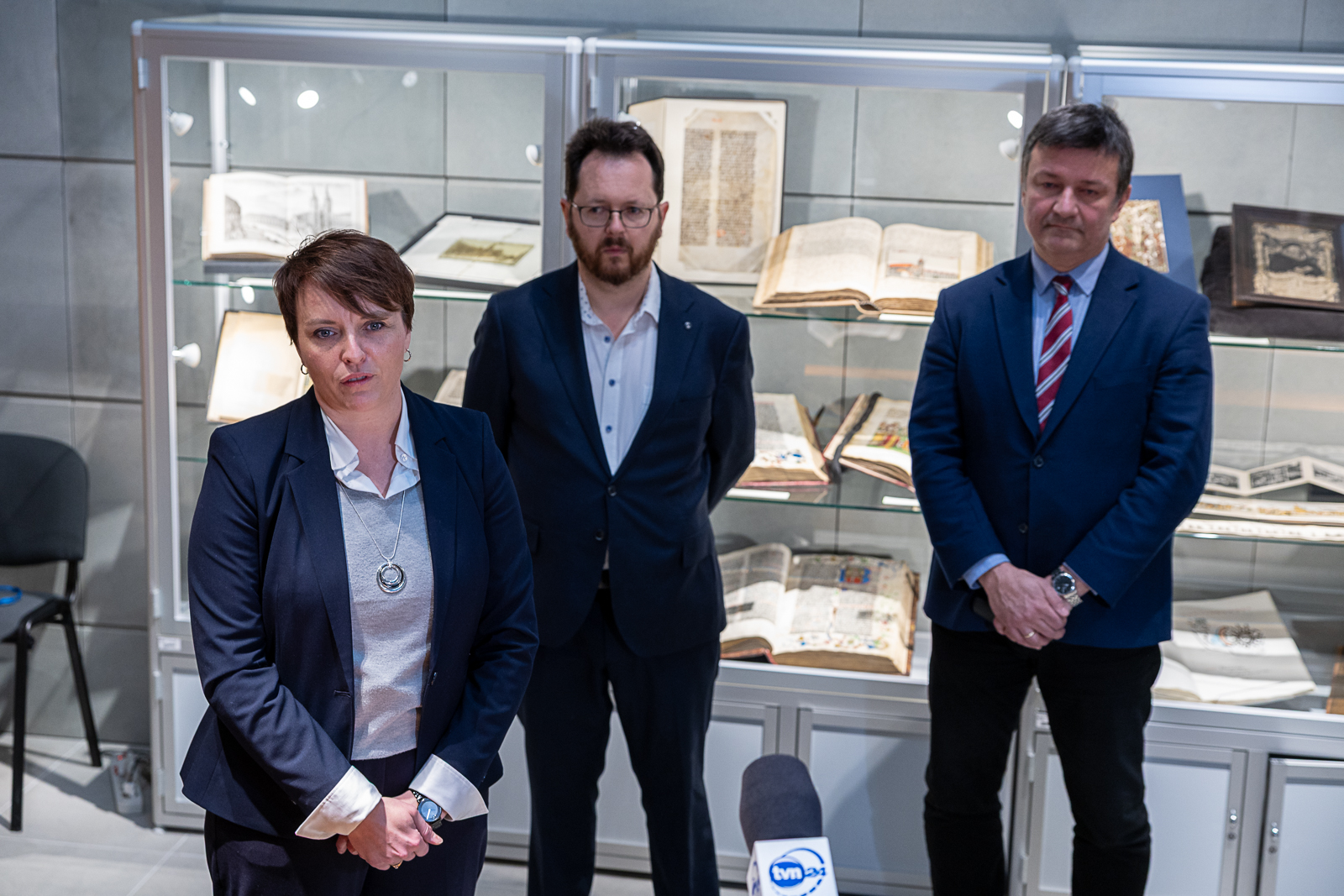
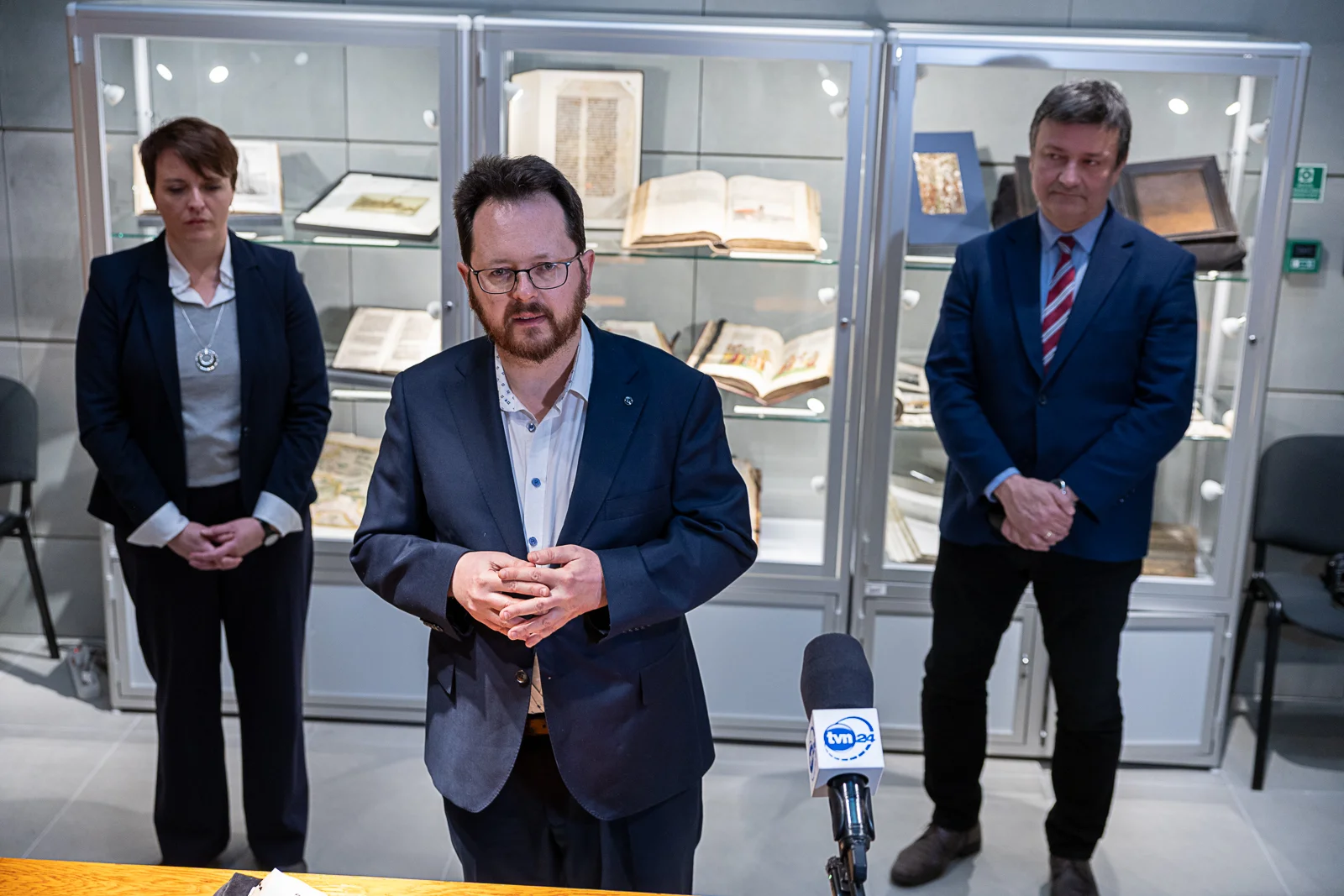
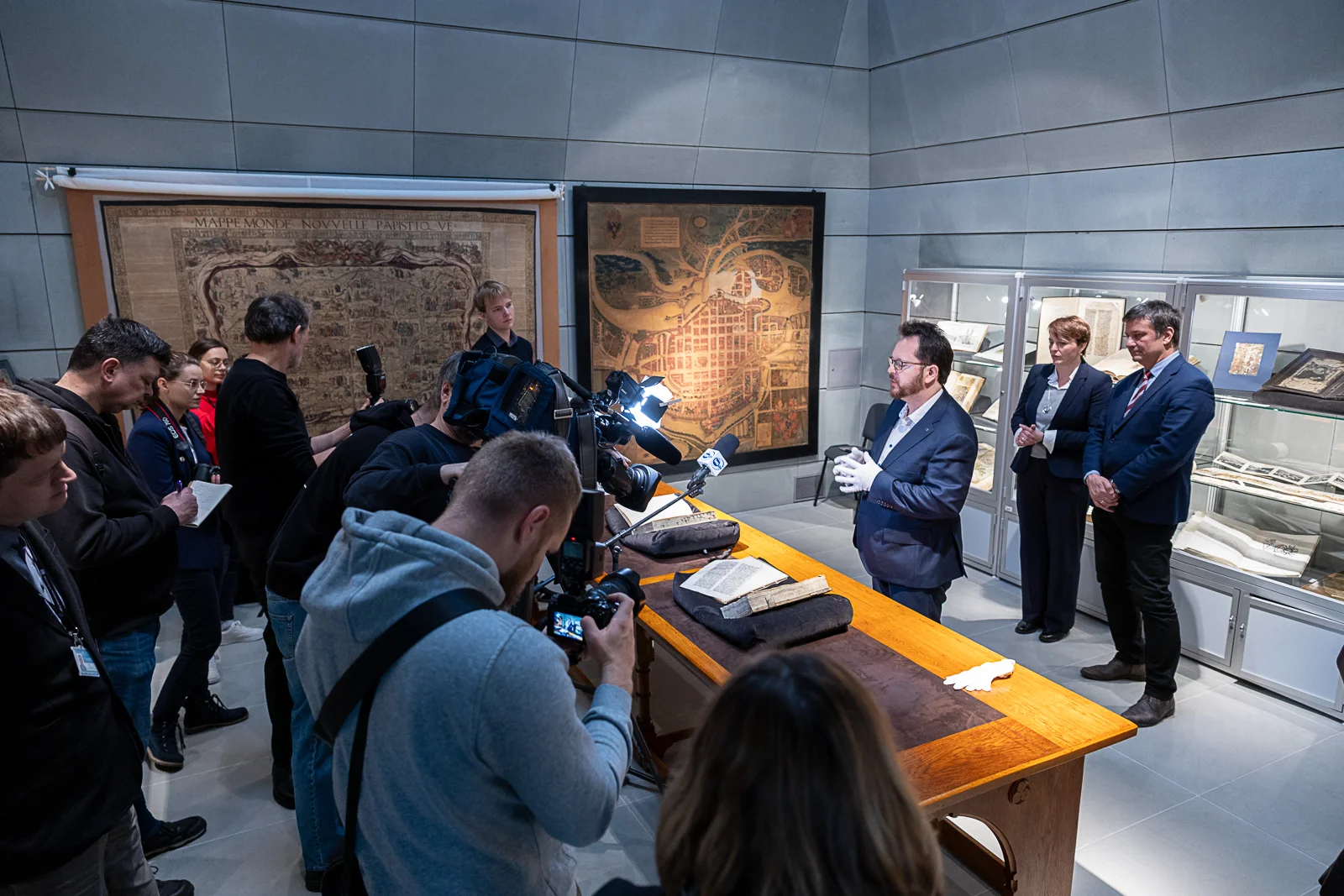
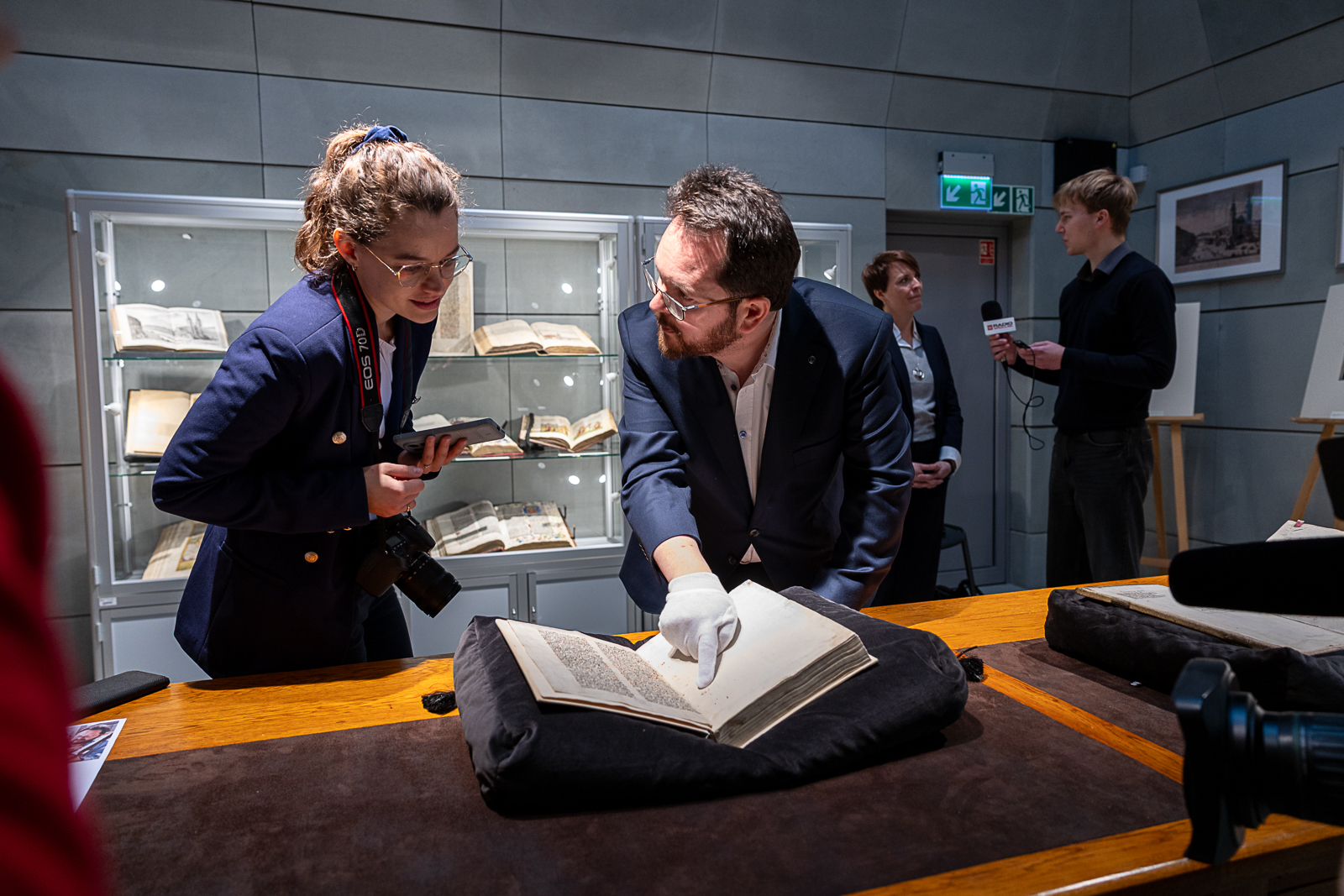
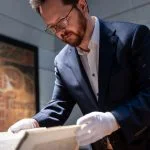
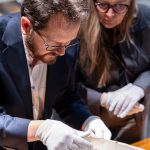
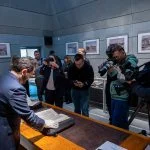
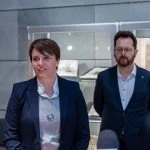
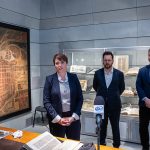
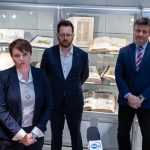
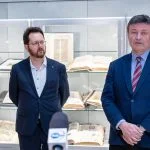
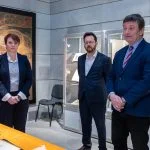
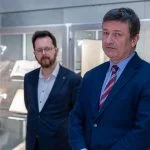
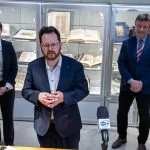
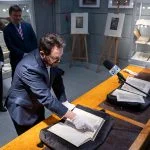
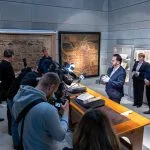
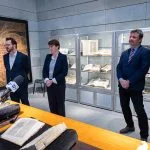
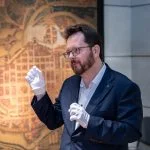
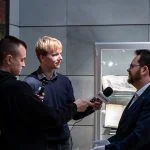
On Tuesday, 17 February, the manuscript was formally welcomed at the Library during a press conference. The event was attended by the Library’s authorities, staff of the Manuscripts Department, invited guests and members of the media. The ceremonial welcome was delivered by the Director of the Library, dr Dorota Siwecka, and the Vice-Rector for Research, professor Artur Błażejewski, who stressed the immense importance of recovering such a valuable artefact for research into the history of the book and for preserving Silesia’s cultural identity.
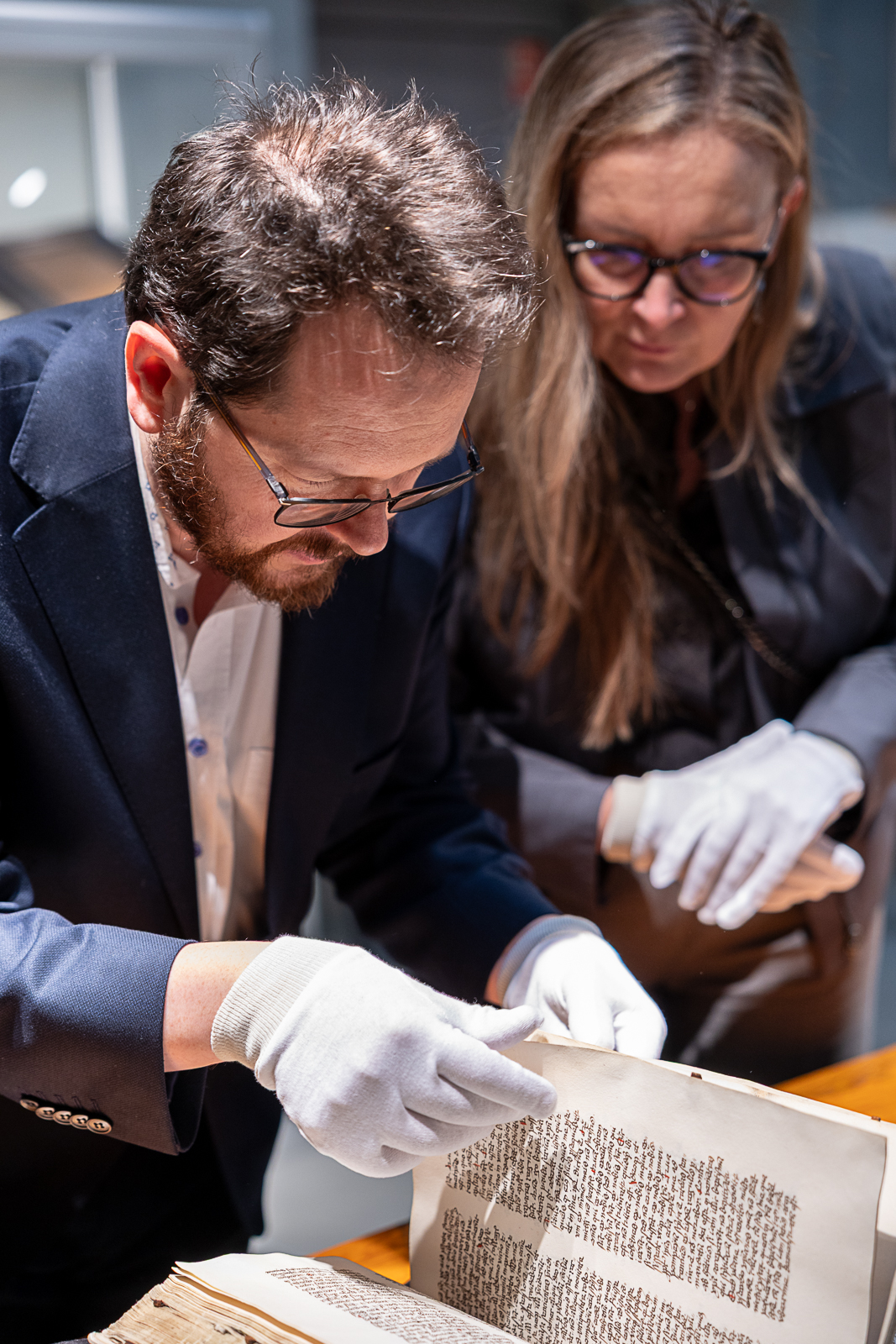
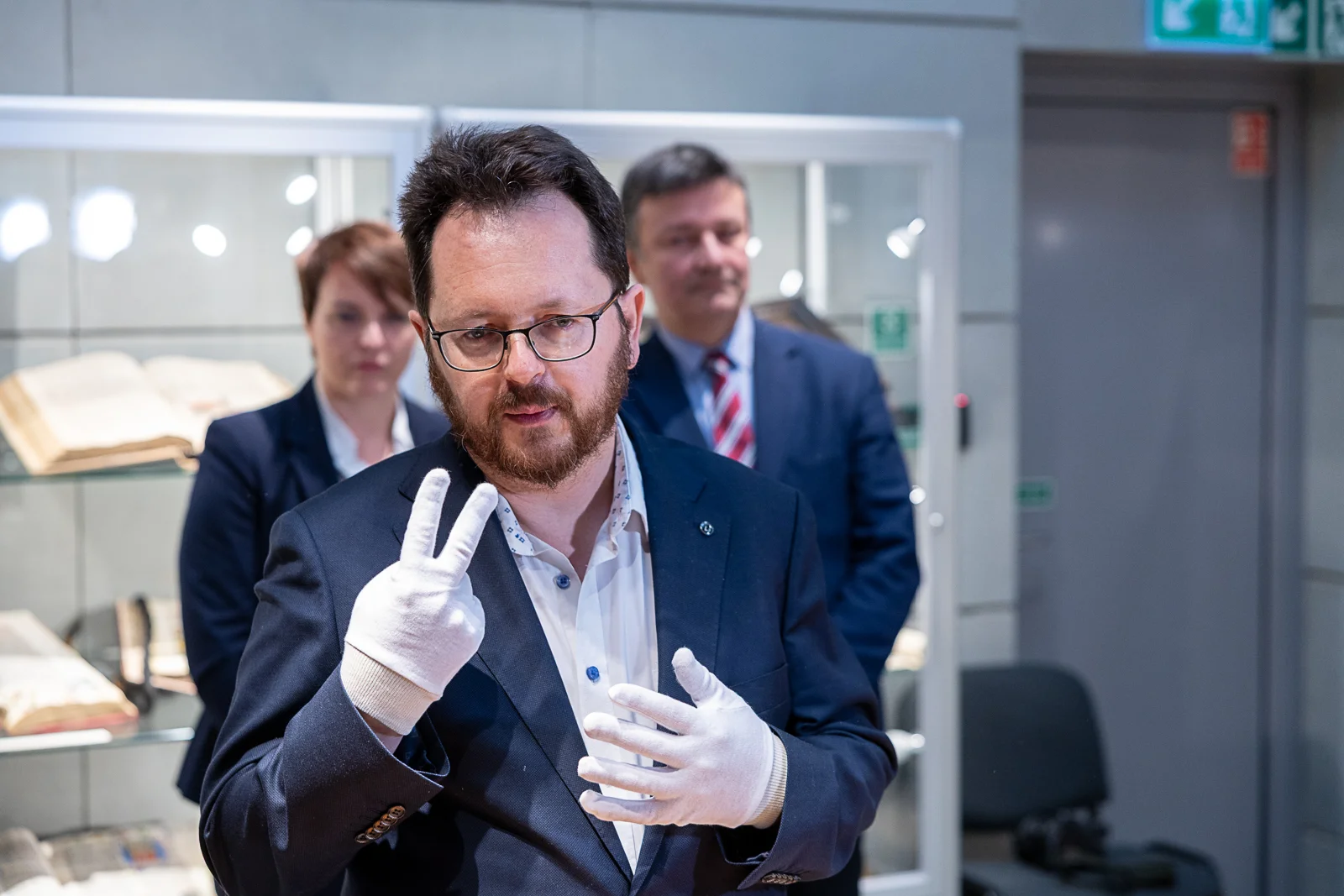
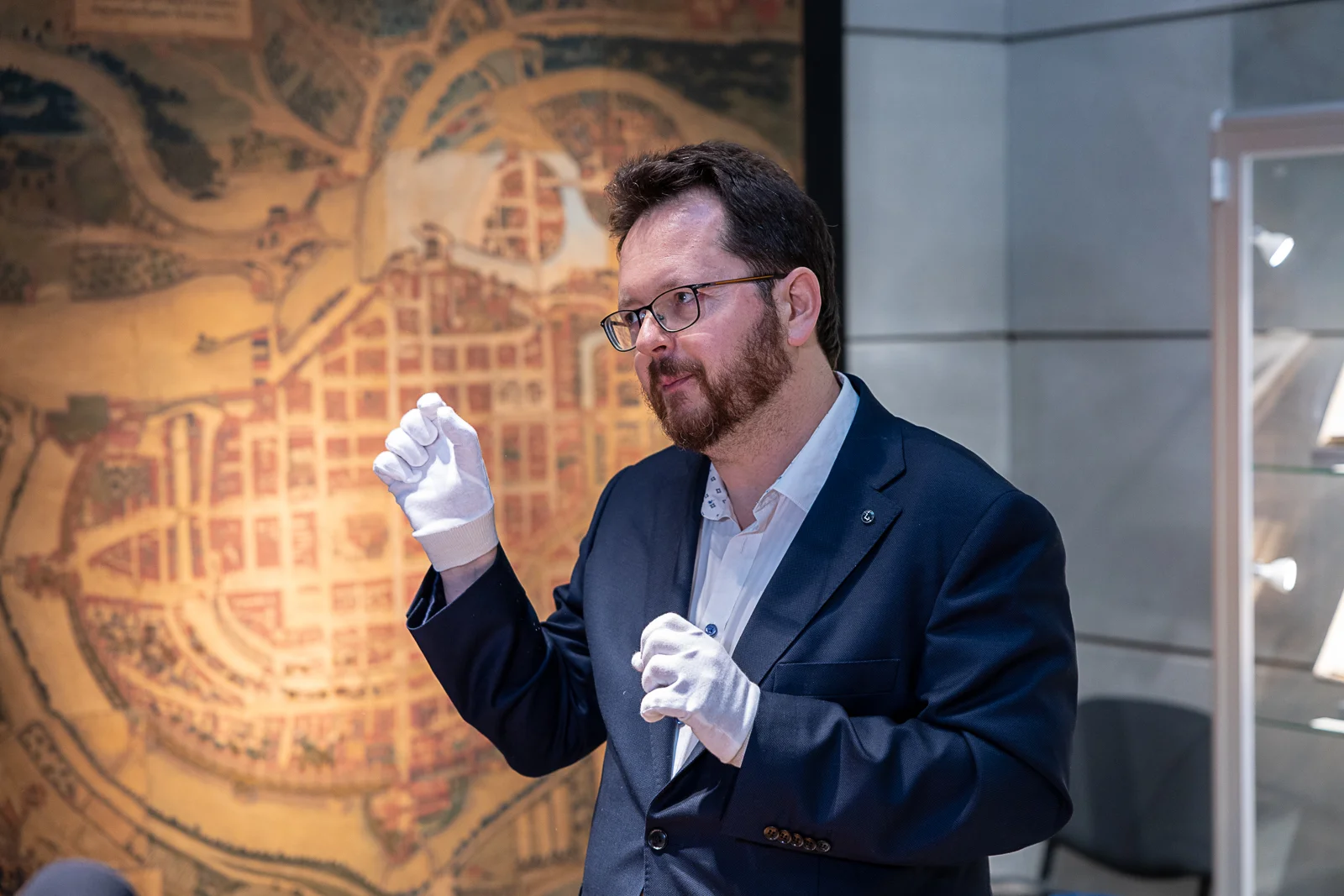
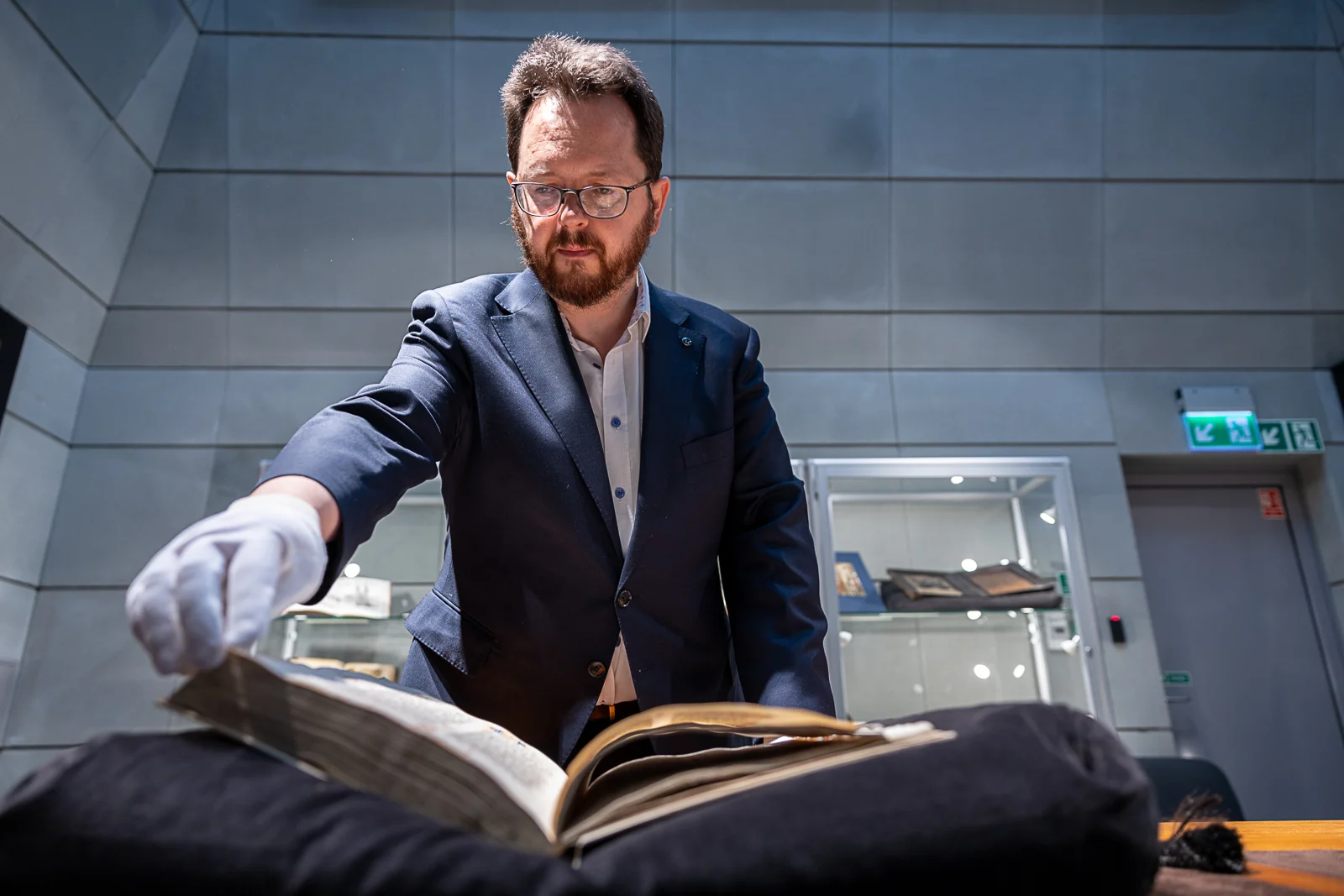
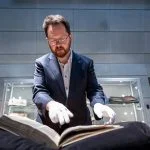
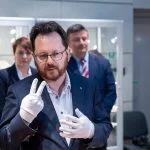
Special thanks were extended to dr Antoine Haaker of the Library’s Manuscripts Department, whose many years of comparative research and source analysis played a crucial role in identifying the manuscript in foreign collections. Director Dorota Siwecka underlined that it was thanks to Dr Haaker’s “painstaking, almost detective-like work” that the manuscript could now be recovered and returned to the Library. She also expressed her gratitude to the French gallery Les Enluminures for its exemplary cooperation, and to the Ministry of Culture and National Heritage, particularly the Department of Cultural Heritage, for its support and engagement in the restitution process.
The Rector noted that this is yet another valuable object recovered over the years. He emphasised that the theft had not been accidental, and that the rediscovery of the manuscript was possible thanks to dr Haaker’s ingenuity and professionalism, as well as the work of other members of the Library staff and the expertise of its librarians.
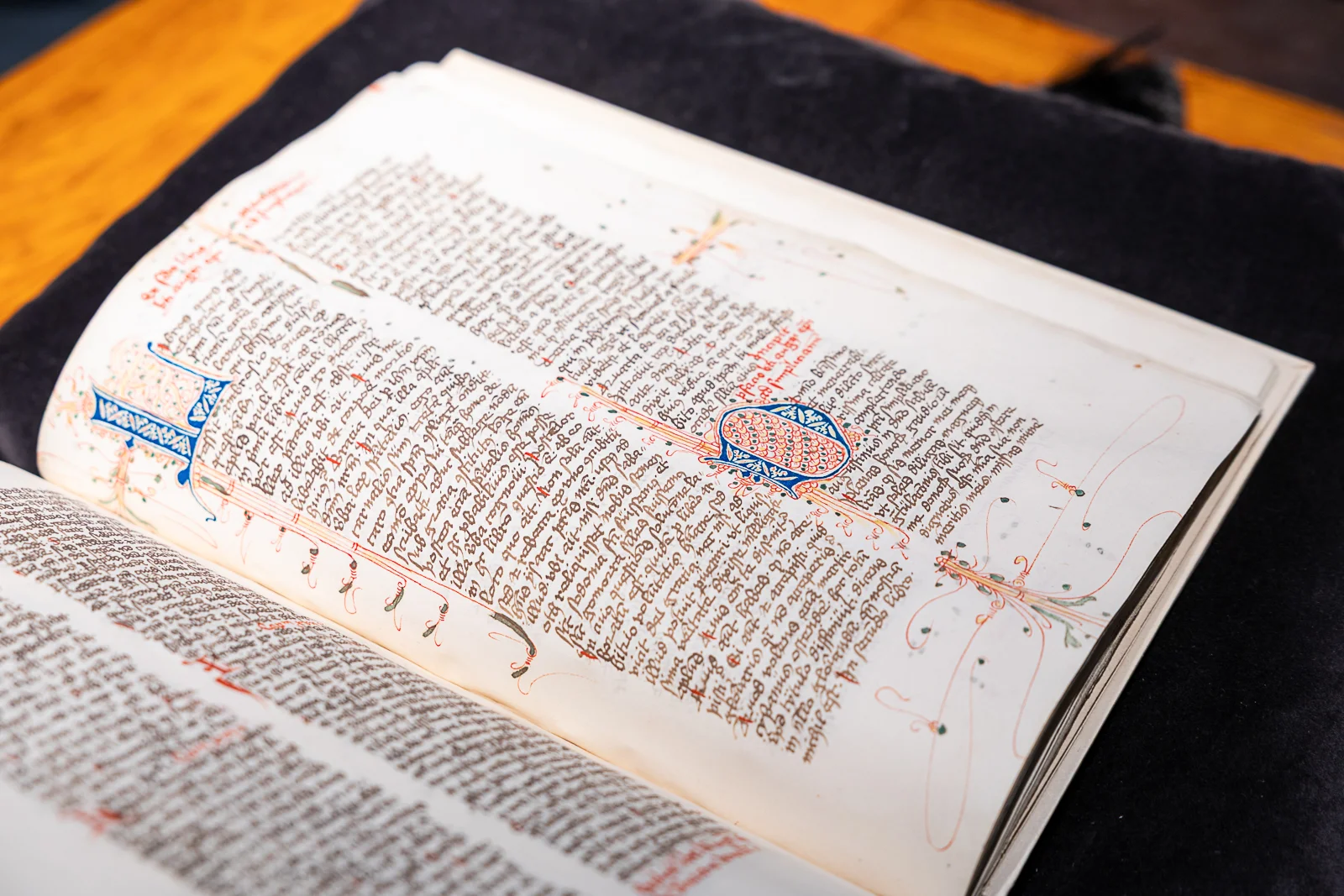
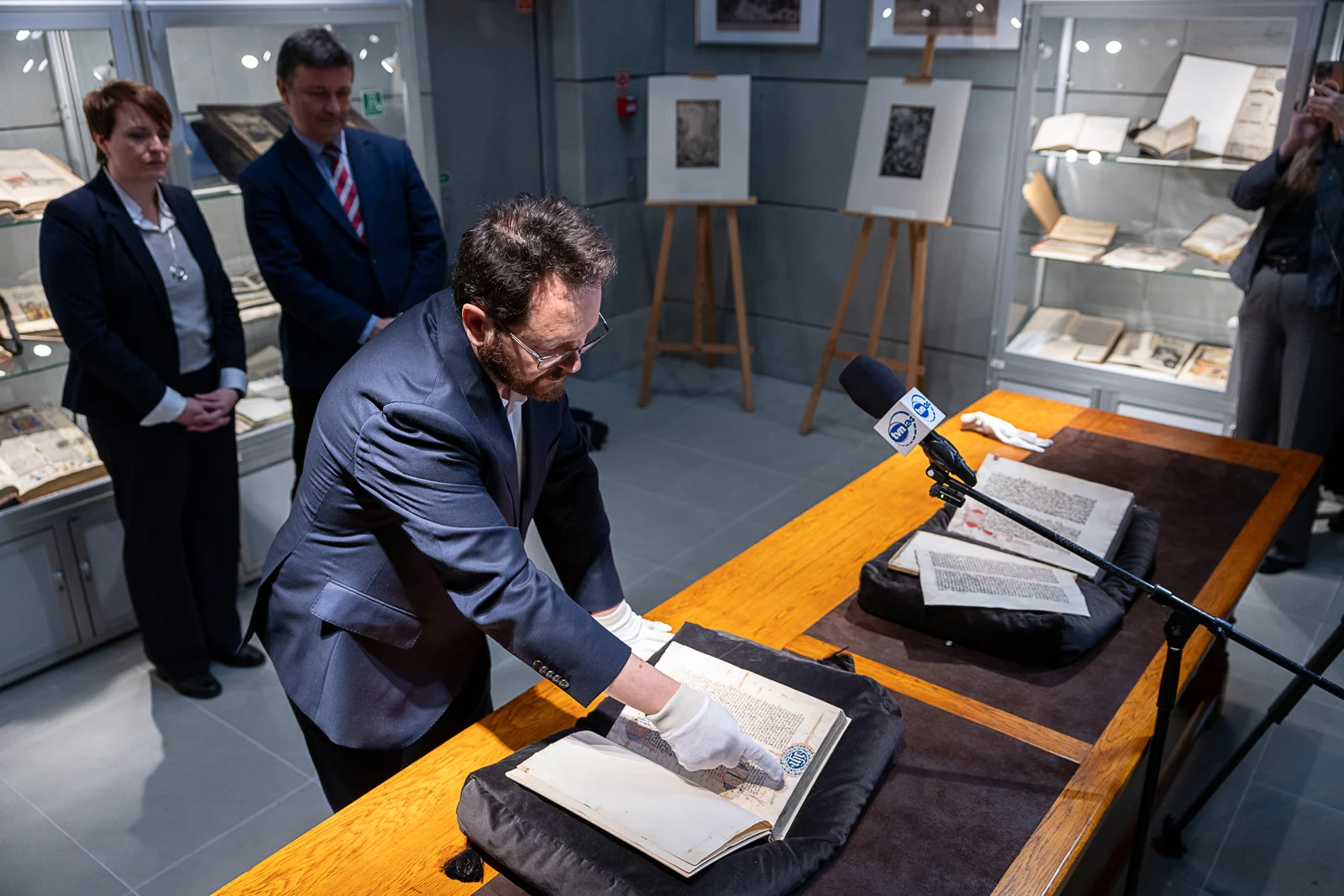
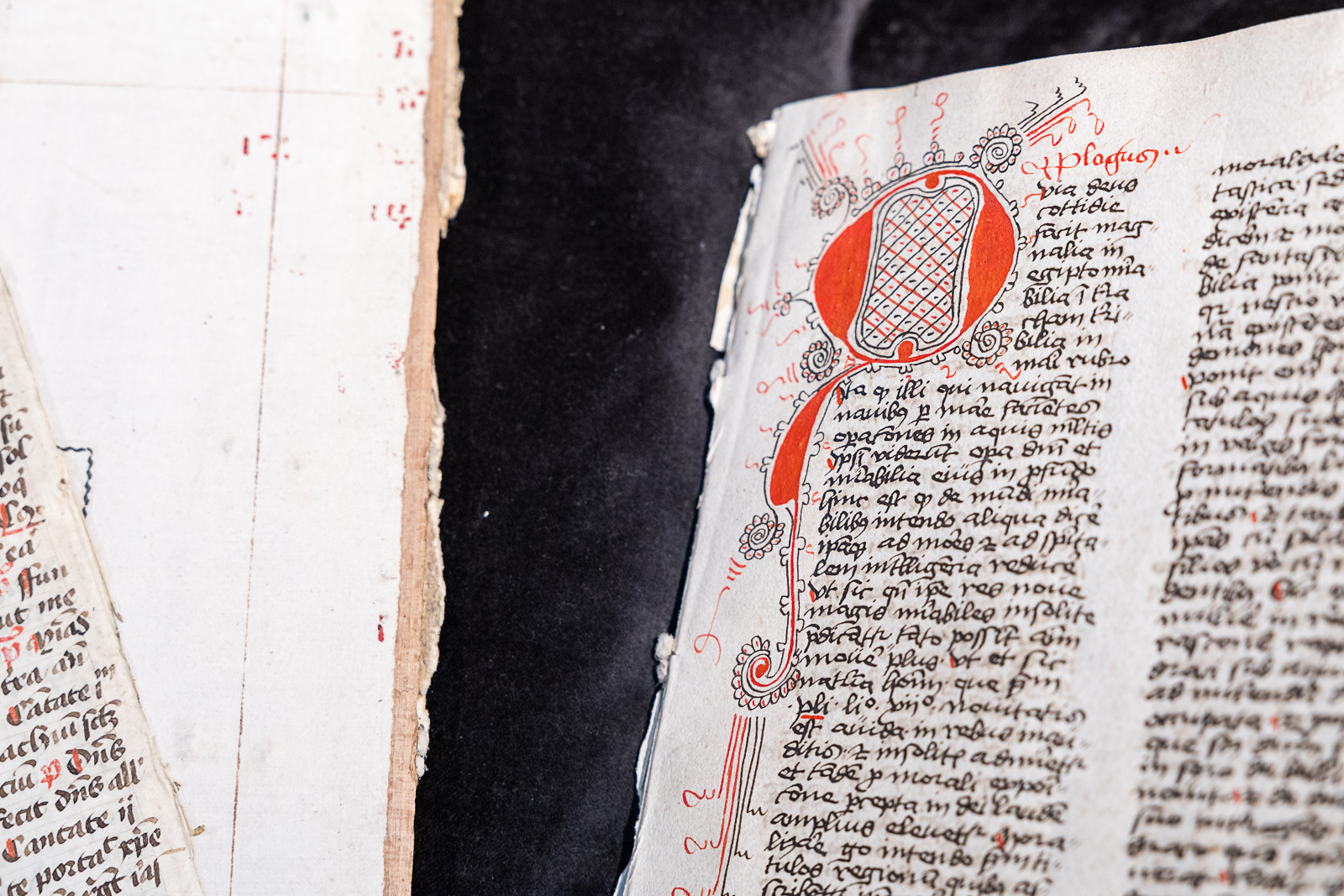
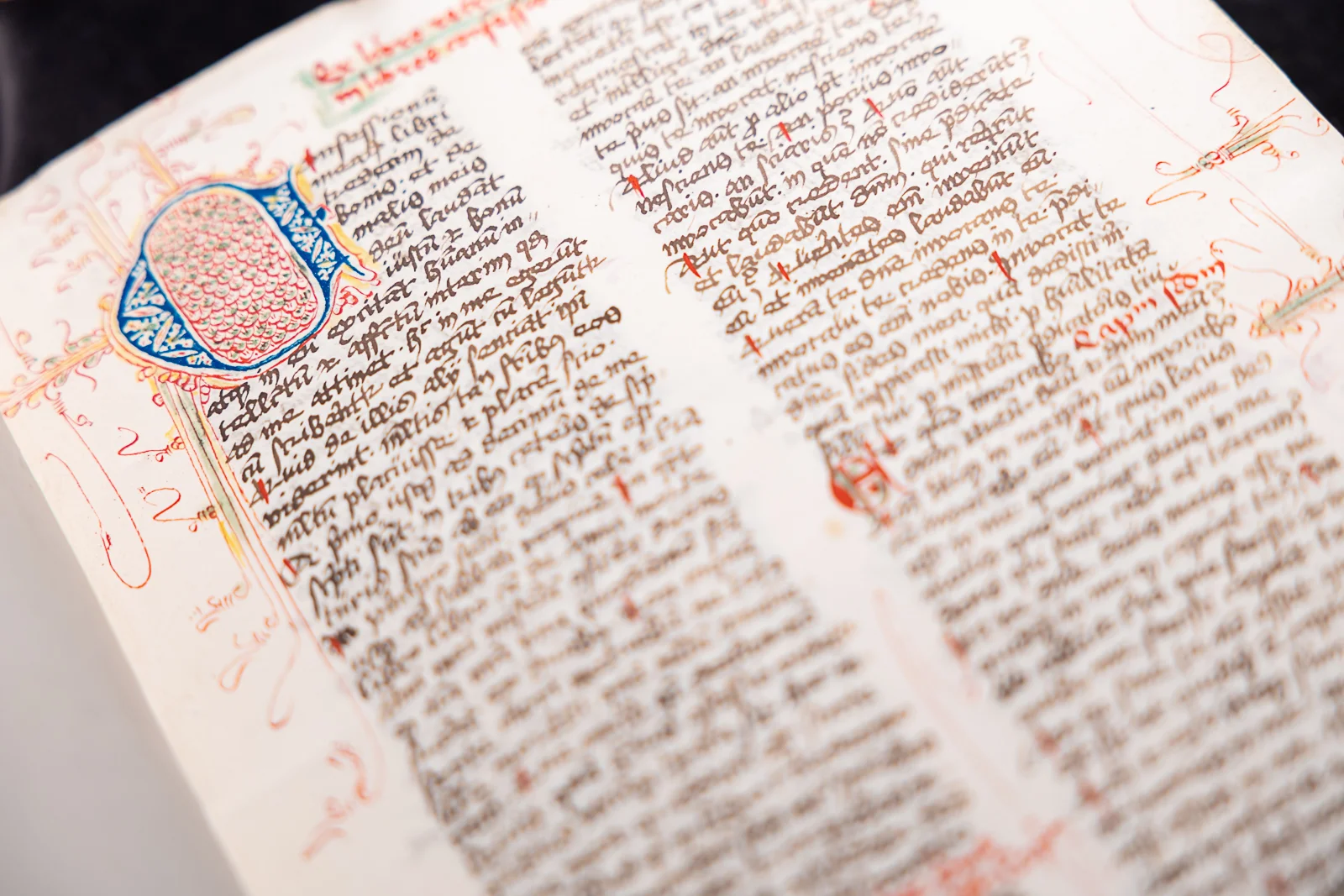
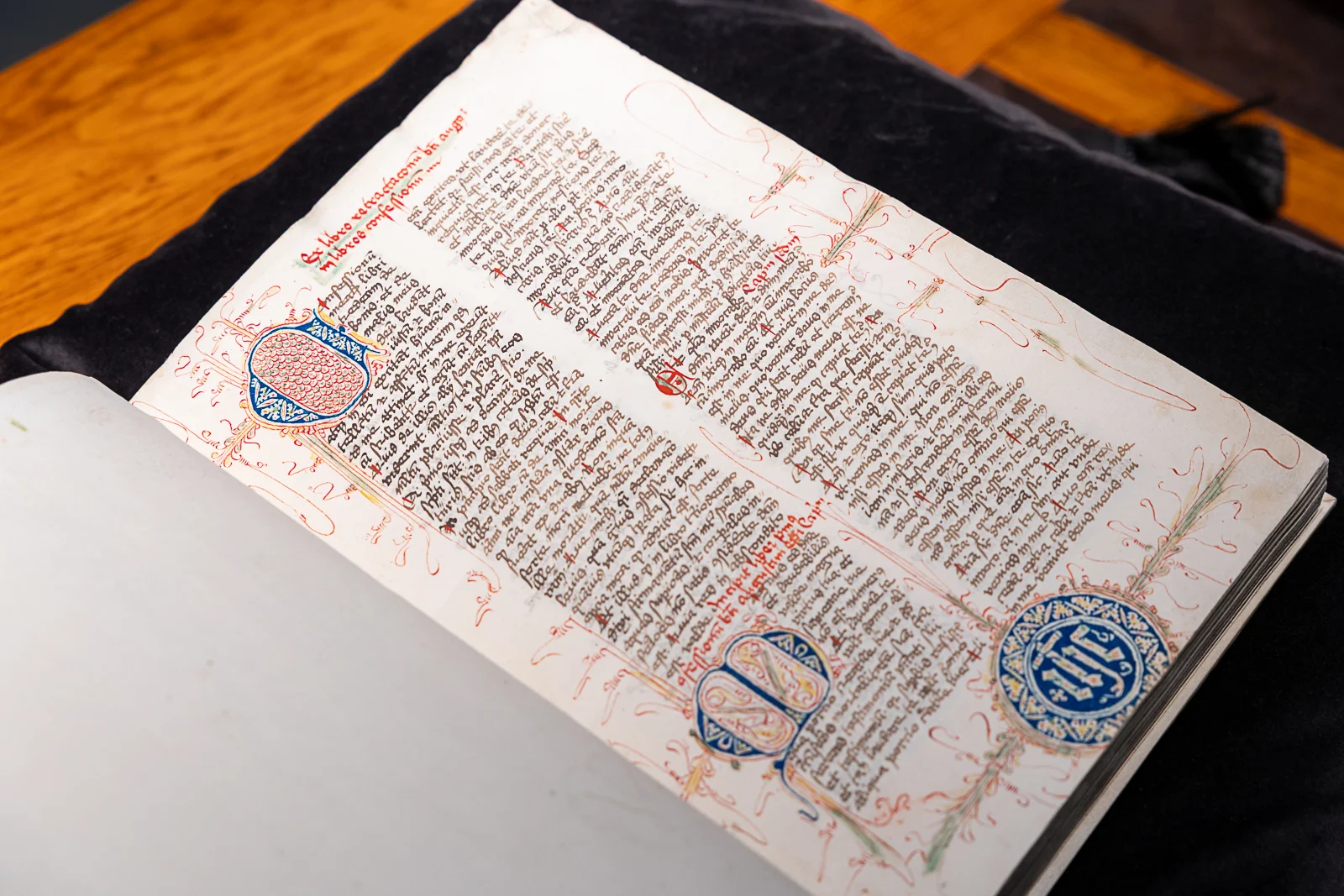
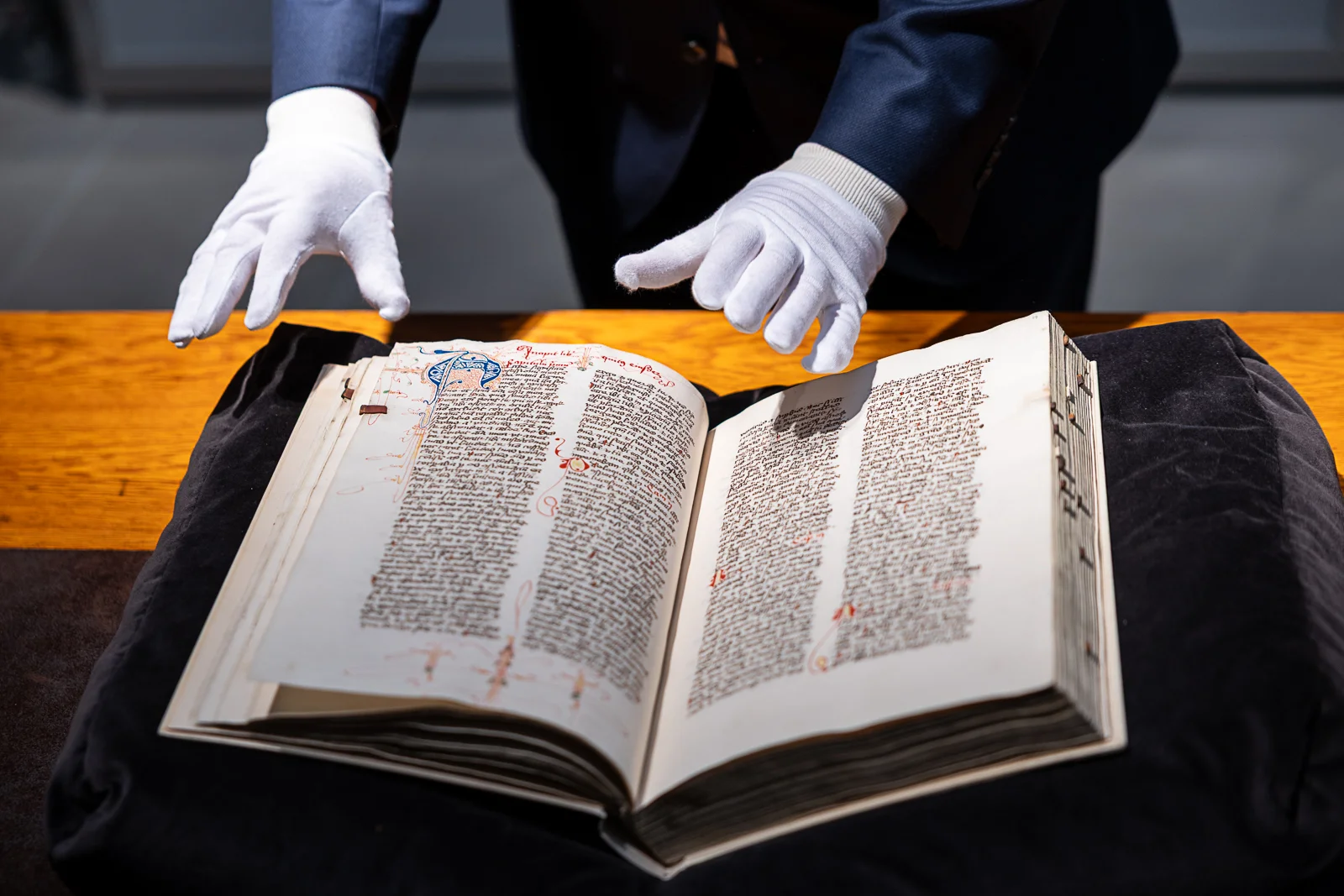
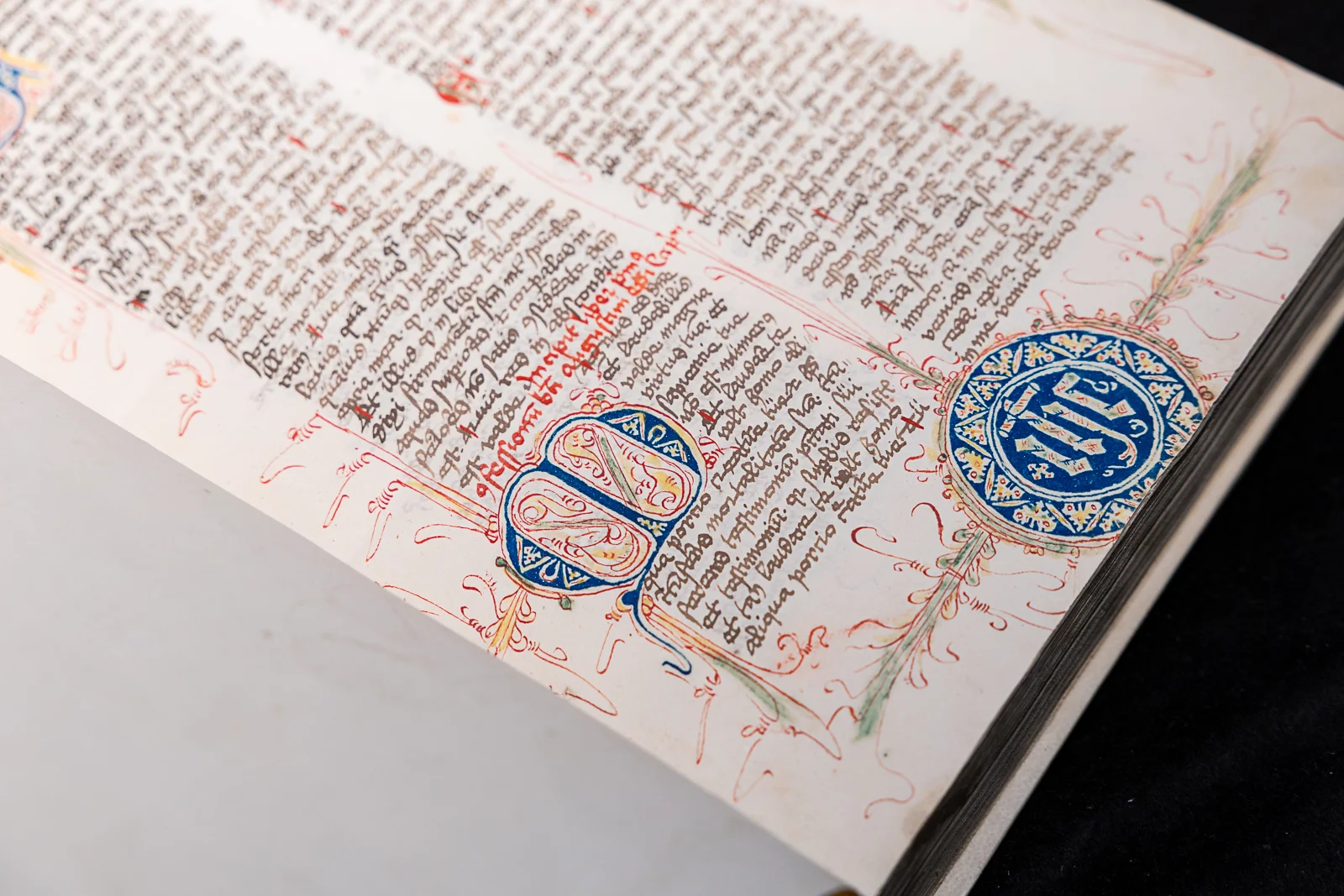
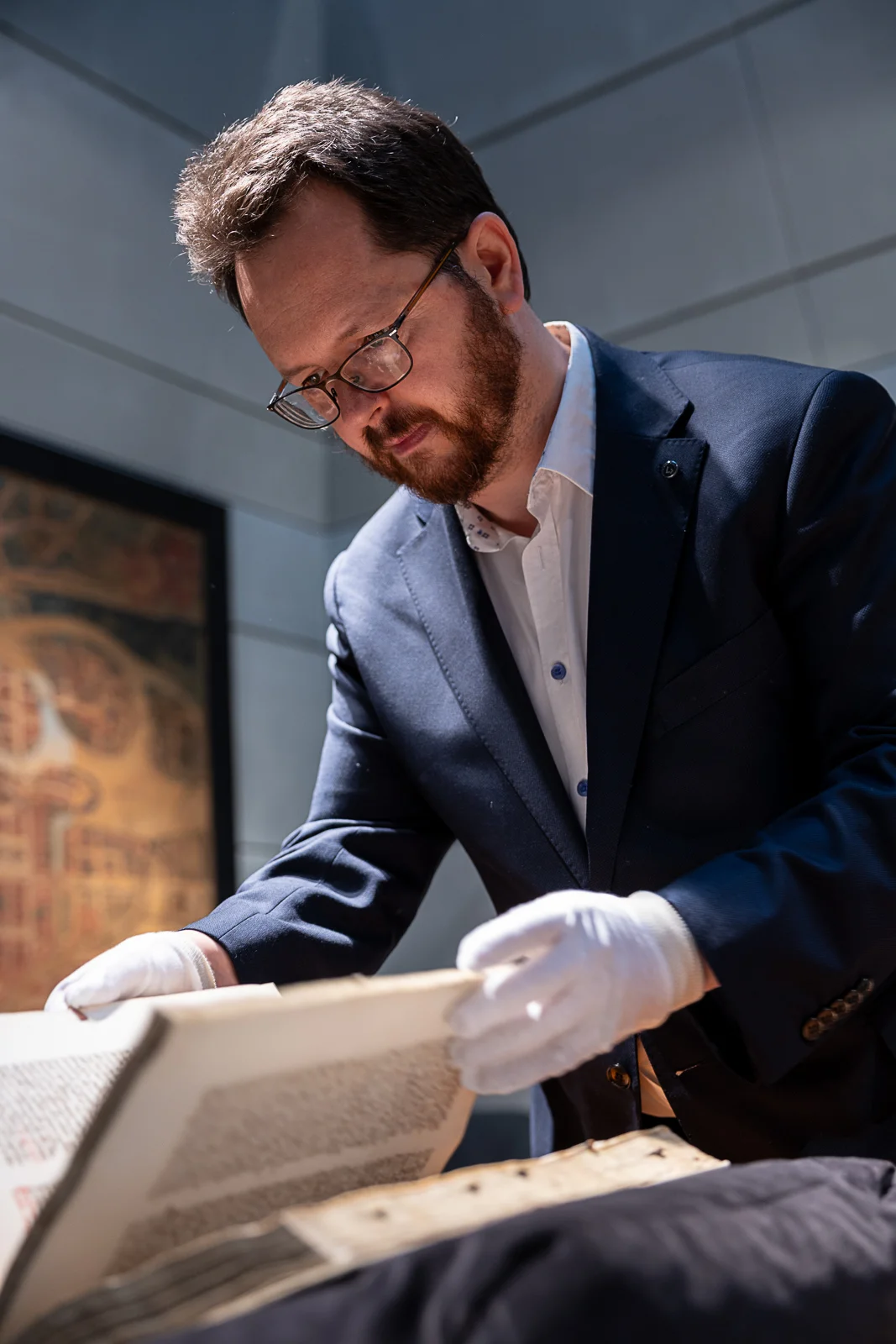
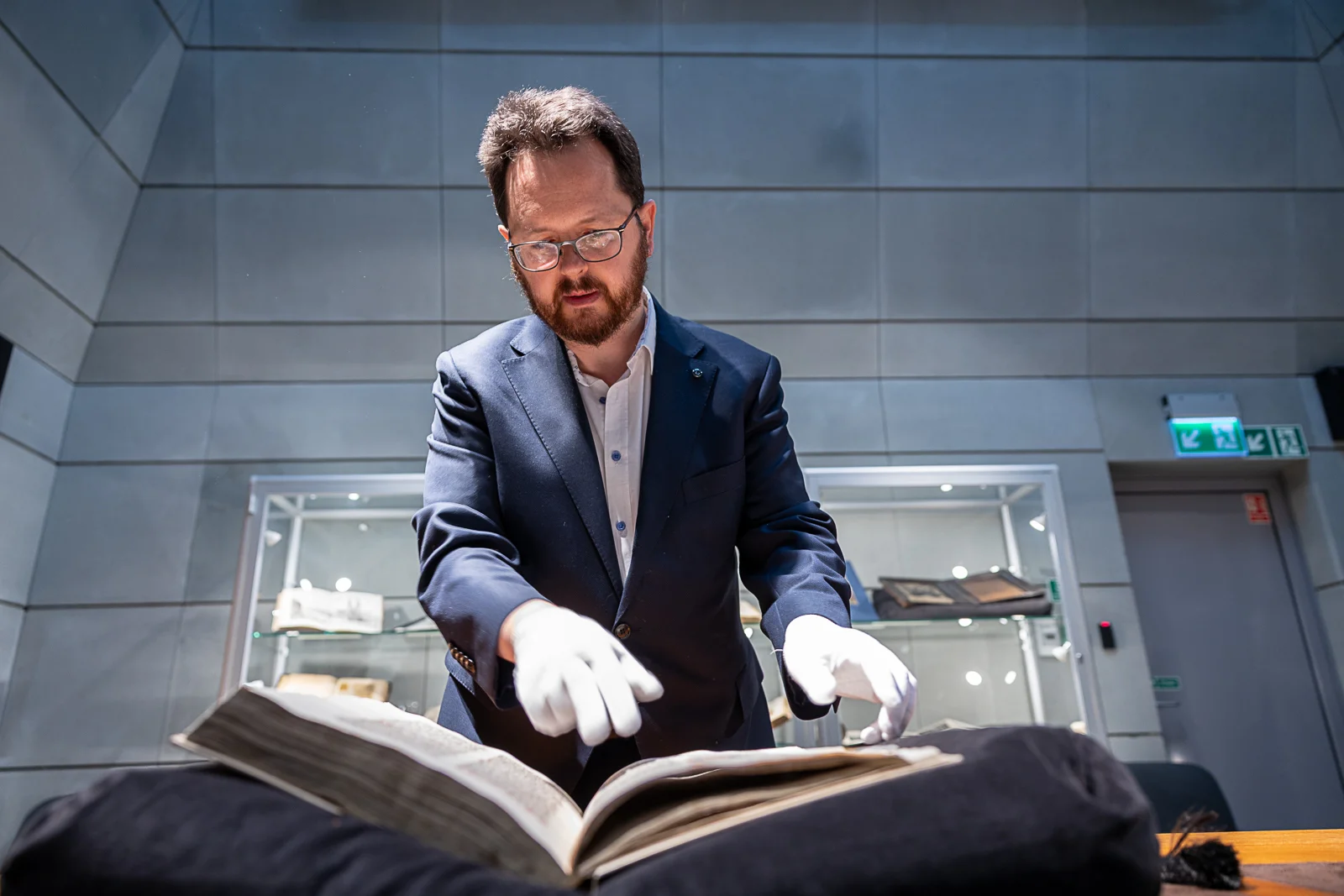
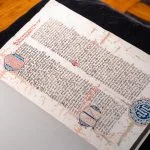
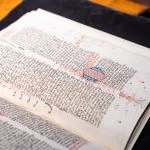
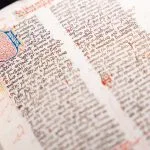
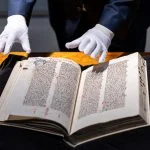
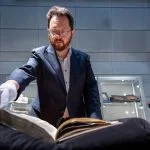
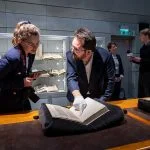
The recovered codex is in excellent condition and comprises over 200 leaves. It contains five works by St Augustine, including the celebrated Confessions, regarded as the first intellectual autobiography in the history of literature. The manuscript was written with great care and elegance, and its pages are adorned with thirty richly illuminated initials. It is an exceptionally beautiful copy of texts of immense cultural and intellectual significance.
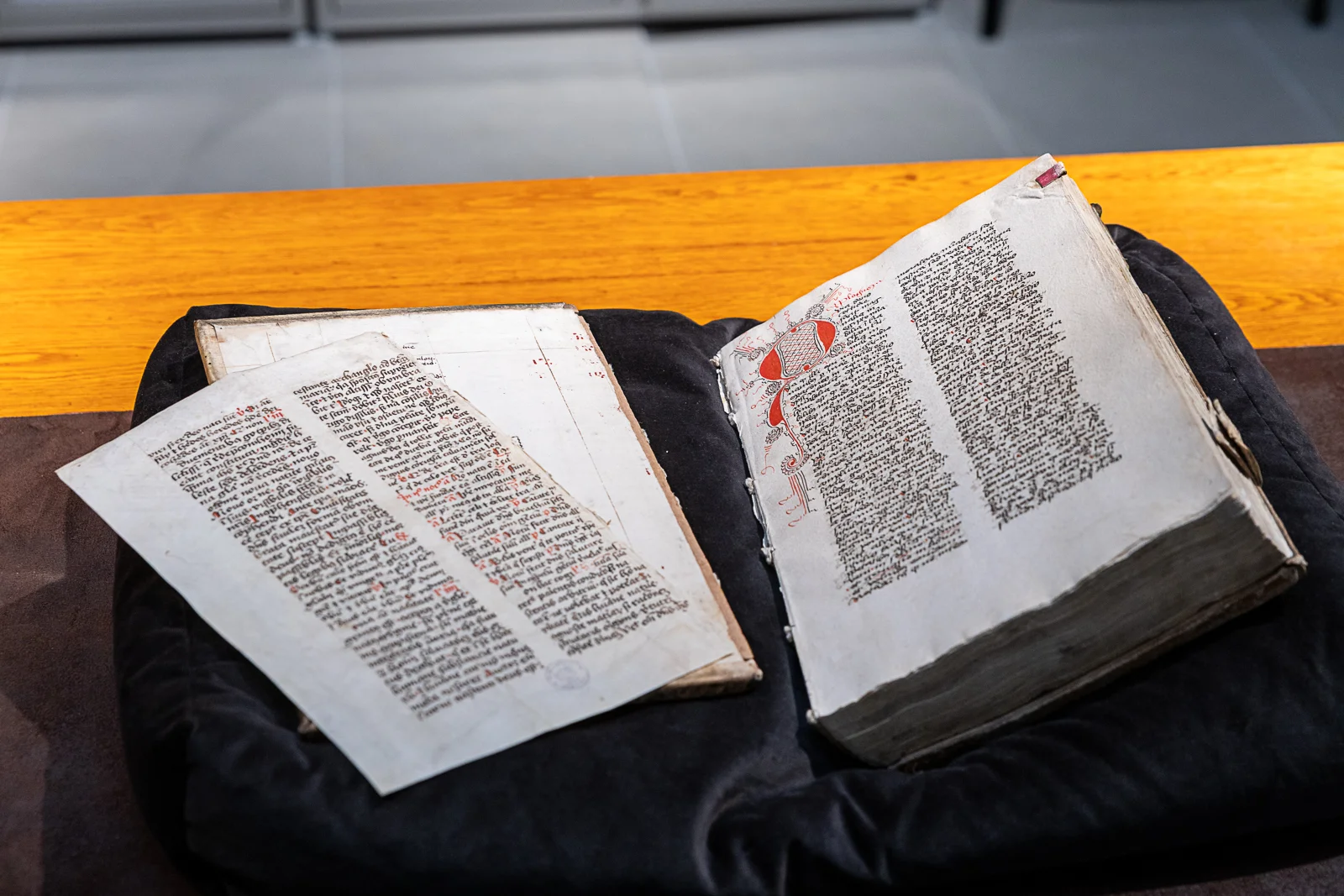
The works of St Augustine had been cut from a larger volume. The perpetrator destroyed the medieval binding of the manuscript, leaving in the Library only the detached front board and the leaves containing a work by Peter Berchorius. The aim was to mislead librarians who regularly inspect the condition of the collections. The thief was aware that the manuscript had not been described in detail in the inventory and that no microfilm copy existed. He therefore counted on staff assuming that the missing leaves were the result of wartime damage in 1945 or earlier – a relatively frequent occurrence in historic collections. This enabled the sale of the leaves containing the works of St Augustine as a separate codex, while the theft remained unnoticed for many years.
Fortunately, a year ago dr Antoine Haaker, a member of the University Library staff, noticed the absence of fragments of the manuscript. This allowed him to identify the provenance of the Augustinian codex that had appeared for sale in the gallery “Les Enluminures”. Through detailed research, dr Haaker demonstrated that the leaves had been cut out after the war, when the codex was already held in the collections of the University of Wrocław.
Particular thanks were addressed to Sandra Hindman, owner of “Les Enluminures”, who decided to return this extraordinarily valuable monument of writing. This is already the fifth precious book recovered for the University of Wrocław thanks to Dr Haaker’s work. The Augustinian codex, however, is exceptional for two reasons.
Firstly, all previously recovered books originated outside Silesia. This manuscript, by contrast, was created in Silesia and constitutes an authentic witness to Silesian literary culture. It was written in the fifteenth century by Andrzej of Złotoryja, a monk from the Carthusian monastery near Legnica.
Secondly, we are delighted that the codex will soon be restored to its former appearance by reintegrating the missing leaves containing the works of St Augustine and reconstructing its original binding. In this way, the manuscript will regain the fullness of its historical and artistic value.
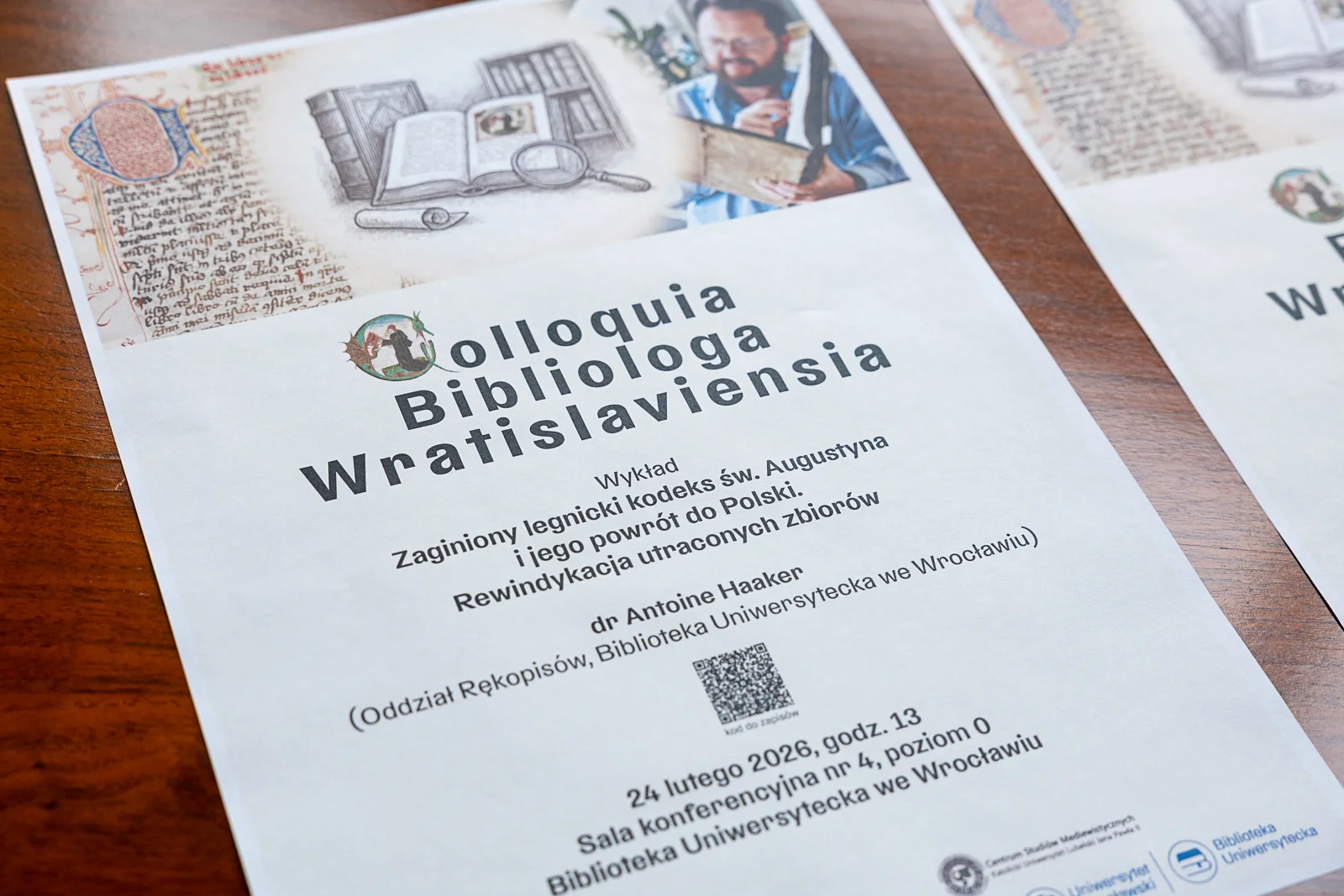
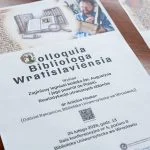
The return of this artefact is of enormous importance for research into book culture, medieval theology and the history of writing in Silesia. Its reintegration into the holdings of the University Library in Wrocław opens up new research opportunities and enables the continuation of work documenting the fate of the region’s lost cultural property. The full story of the manuscript’s discovery, identification and return will be presented by Dr Antoine Haaker during a lecture in the Colloquia Bibliologa Wratislaviensia series, to be held on 24 February at 1.00 p.m. in Conference Room 4 of the University Library in Wrocław. It will be a unique opportunity to learn not only about the manuscript’s history, but also about the behind-the-scenes research work that made its recovery possible.
All those interested in the history of the book, regional culture and the remarkable stories of medieval manuscripts are warmly invited to attend. Registration for the event is available via the application form.
A photographic report of the event was prepared by Paweł Piotrowski.



Edit. Infrastructure and Image Department of the Library of University of Wrocław
Date of publication: 18.02.2026
Added by: EJK


