



Our researchers awarded SONATA BIS grants from the National Science Centre
The results of the SONATA BIS call for proposals were announced at the end of February. The National Science Centre received 481 applications, worth over 1.3 billion PLN in total. Funding was awarded to 70 projects with a combined value of more than 223.7 million PLN, including four projects from the University of Wrocław.
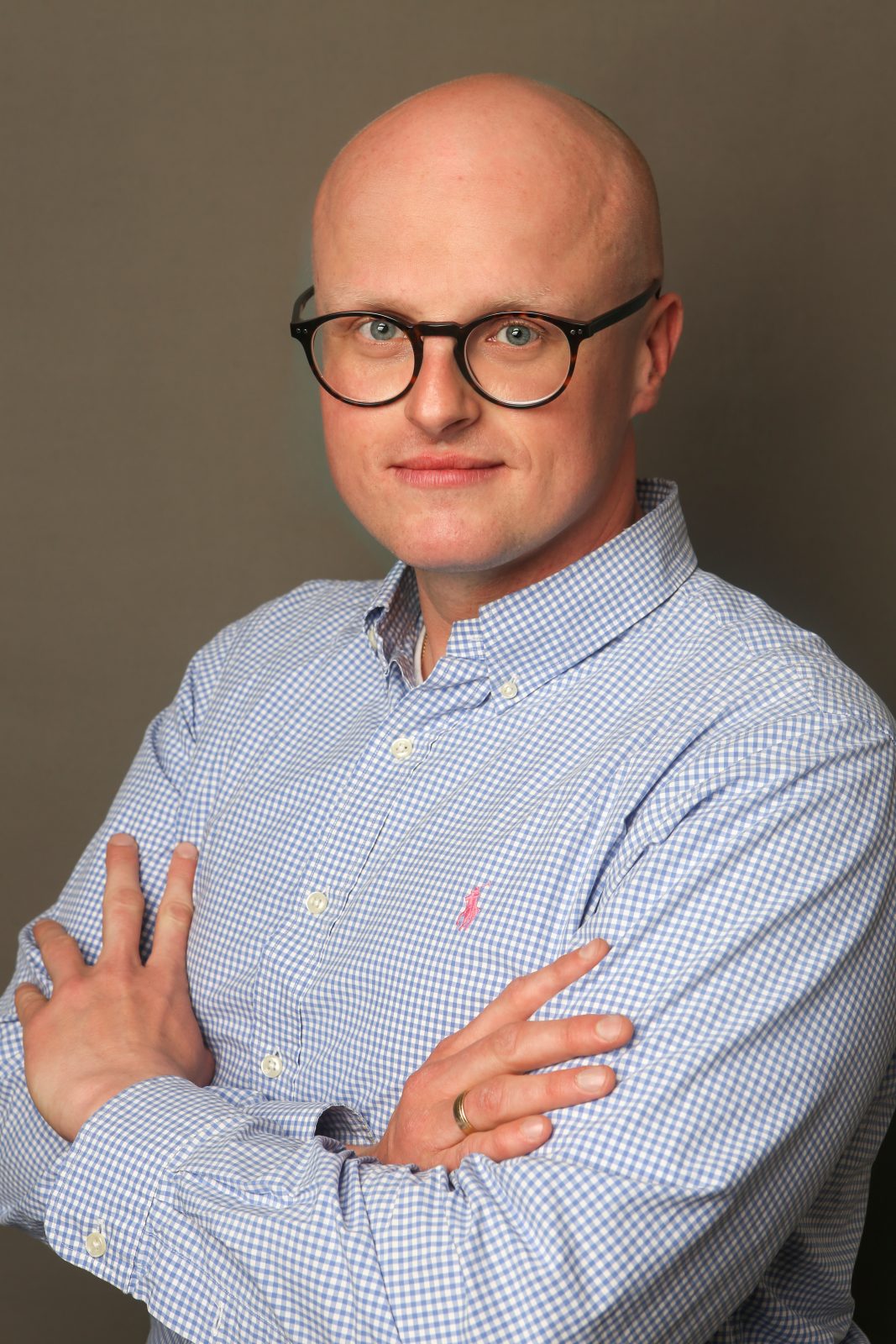
Dr Tomasz Woźniakowski from the Faculty of Social Sciences at the University of Wrocław (Department of Contemporary History and Social Movements, Institute of Political Science) received a grant for the project: “SECURE_U. Financing common defence in multi-level political systems” (PLN 1,221,518). This five-year project will be based on a historical-comparative analysis covering three cases: the United States, Yugoslavia, and the European Union.
“I intend to investigate under what conditions federations or unions of states develop fiscal capacities (acquiring public funds, mainly through taxes) and military capacities (the organisation of common defence),” explains our researcher.
The work will proceed in several stages. Firstly, a historical analysis of the development of fiscal and military institutions in the USA during the 19th century. Secondly, a study of a ‘negative case’ – the former Yugoslavia – as an example of a federation that ultimately failed to maintain stable fiscal-military capacities and subsequently disintegrated. Next, an analysis of the contemporary European Union and its ability to finance common defence in the context of current security challenges.
“Yugoslavia is a new research case for me. As part of the project, I plan to hire a doctoral student for approximately four years to conduct detailed research on the history of fiscal-military integration in these countries,” says the researcher.
The research will involve archival analysis, process tracing, and a comparison of the three cases to identify mechanisms that foster the development of lasting fiscal-military capacities in federations or unions of states. The project is expected to culminate in a series of academic articles in leading journals in the fields of political science, political economy, and European studies
“I would like the research results to introduce two important historical contexts into the debate on financing European security: the 19th-century American experience and the history of Yugoslavia as a case of failed fiscal-military development,” notes dr Tomasz Woźniakowski. The ultimate goal is to contribute new knowledge to the discussion on how Europe can finance common defence and what institutional conditions support the durability of a union of states.
The project is a direct continuation of earlier research on fiscal capacities in unions of states, particularly in the United States and the European Union. This research resulted in a monograph, Fiscal Unions, published by Oxford University Press. The scientist is also currently co-editing a special issue of the Journal of European Public Policy (200 points) dedicated to European fiscal integration. SECURE_U expands this research agenda by adding a military dimension and the new comparative case of Yugoslavia.
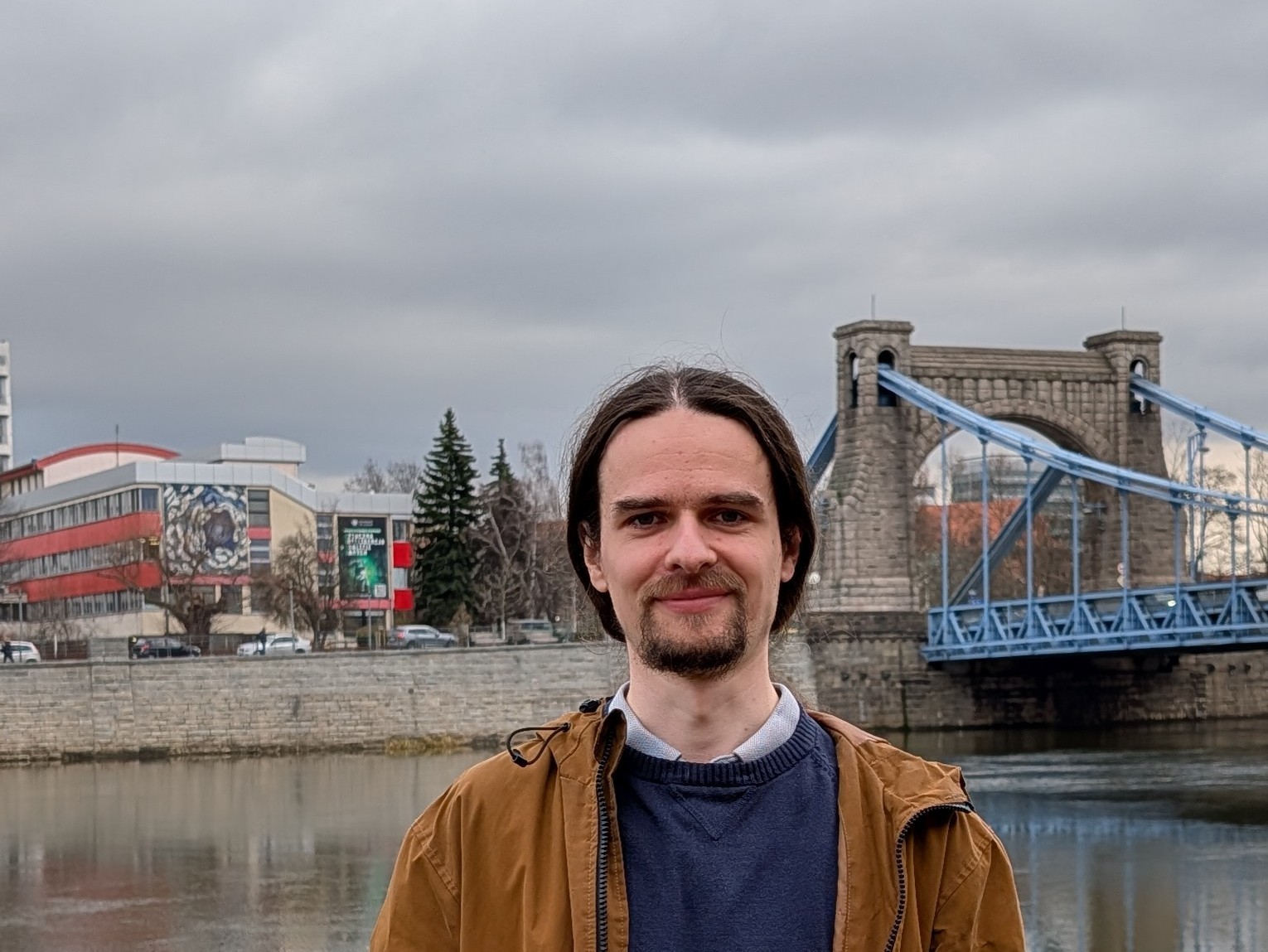
Dr Motiejus Valiunas from the Mathematical Institute at the University of Wrocław received a grant for the project: “Systems of Equations and Growth Degrees in Groups” (PLN 1,965,908).
Under this grant, a new research group will be formed, consisting of the supervisor, a postdoctoral researcher, and a doctoral student. “We will investigate systems of equations in algebraic structures known as groups, using geometric methods,” the scientist says. “We also plan to disseminate the results at various conferences and seminars, as well as develop broad international cooperation.”
The project is situated at the intersection of algebra, geometry, and logic. Its culmination will be the integration of these mathematical fields to obtain new knowledge, enabling a deep understanding of groups and other algebraic structures, potentially providing answers to long-standing open questions. The project continues several articles published by the supervisor over the last few years and plans a far-reaching expansion of the concepts and methods developed therein.
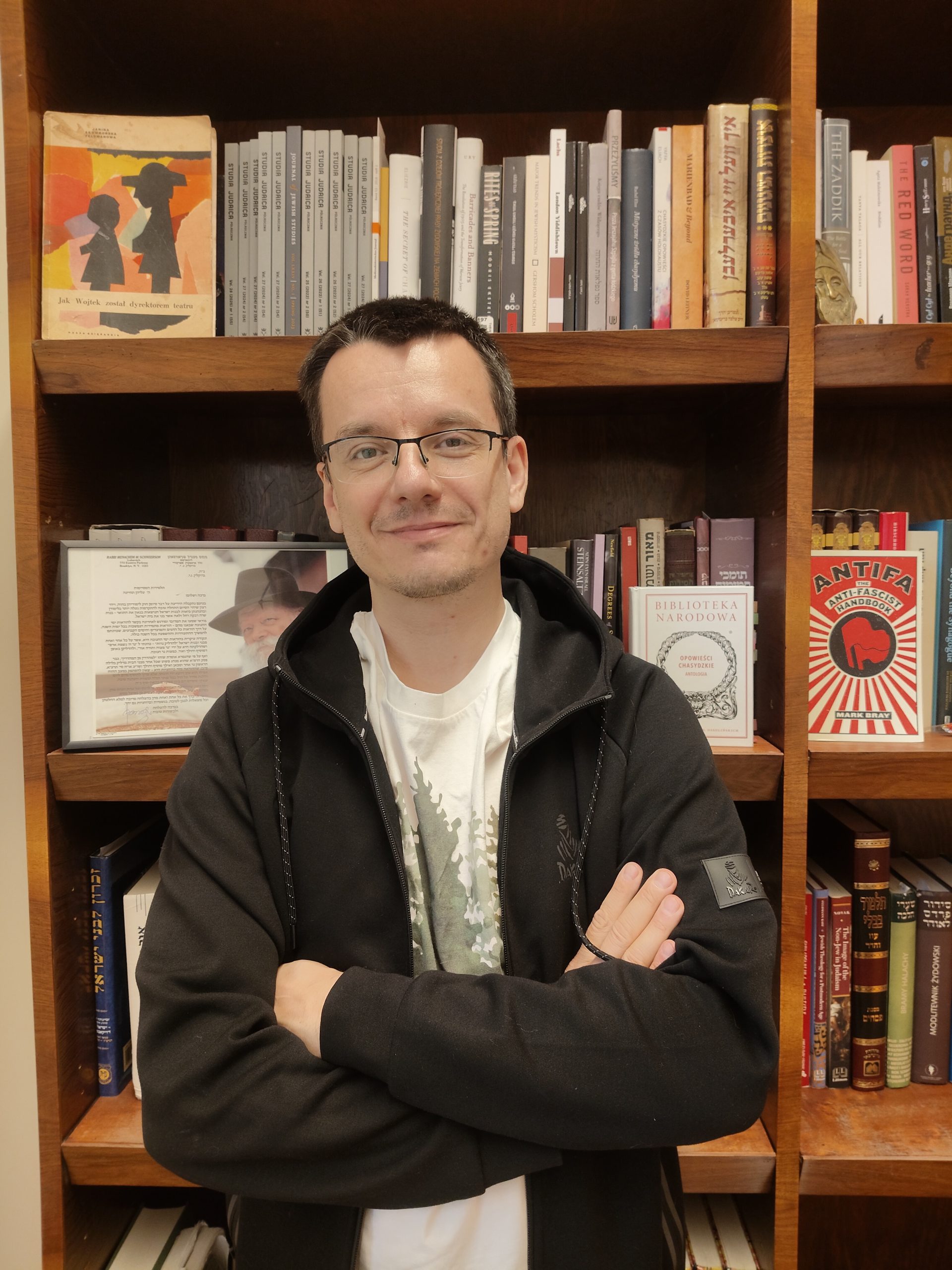
Dr Wojciech Tworek from the Faculty of Languages, Literatures and Cultures at the University of Wrocław obtained a grant for the project: “Histories of Hasidic Popular Culture after the Holocaust” (PLN 3,710,203).
This project is an undertaking of impressive scale, covering over 80 years of history, multiple countries, languages, and media: from the press and theater to music, cassette tapes, and digital platforms.
As part of the grant, the researcher plans to establish a team to conduct research on post-Holocaust Hasidic popular culture in its three primary languages: Yiddish, Hebrew, and English. The team will investigate literature, the press, and archives (including audio recordings), and will conduct interviews with popular Hasidic creators.
The result will be a series of articles analyzing the transformations of Hasidic culture within the context of broader cultural changes in Israel and North America – the two main centers of post-Holocaust Hasidism – and a monograph on the vernacular history of Hasidism. This research will demonstrate how, in the shadow of catastrophe, a vibrant and creative culture emerged – one that built identity, negotiated the tension between tradition and modernity, and actively participated in the global circulation of culture.
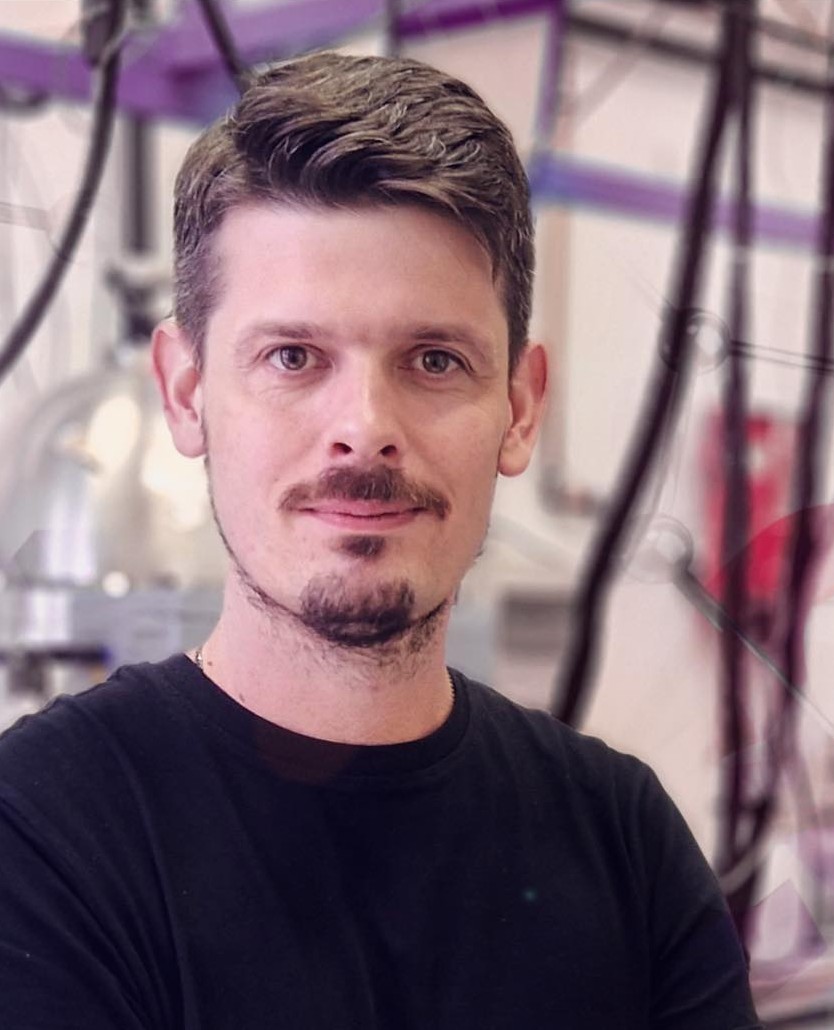
Dr Tomasz Kosmala from the Faculty of Physics and Astronomy at the University of Wrocław received a grant for the project: “Decoding atomic transformations and active sites for next-generation electrocatalysts” (PLN 2,868,830).
The project concerns understanding the operational mechanisms of electrocatalysts based on transition metal oxides used in the oxygen evolution reaction during water electrolysis, which is key to the production of clean hydrogen. The research will use advanced techniques in situ and operando, including electrochemical scanning tunnelling microscopy, to observe in real-time the structural and electronic changes of catalysts at the atomic level. The results obtained are intended to enable the rational design of more efficient, stable, and cost-effective catalysts for clean energy technologies.
The SONATA BIS call for proposals allows researchers who are 5 to 12 years post-doctorate to establish their own independent research group and implement ambitious basic research projects lasting from 3 to 5 years. The grant budget can include funds for salaries for the supervisor and project members, the purchase of research apparatus, equipment, software, materials, external services, travel, consultations, and other costs necessary for project implementation. A researcher may serve as the supervisor of a SONATA BIS project only once.
In the 15th edition of the SONATA BIS call, the National Science Centre received 481 applications totalling over 1.3 billion PLN. Funding was awarded to 70 projects with a total value of over 223.7 million PLN. The success rate by number of applications was 14.55%, while the financial success rate was higher at 17.01%.
Publication date: March 16, 2026
Published by: EJK
Translated by Hanna Jordanek (student of English Studies at the University of Wrocław) as part of the translation practice.


