




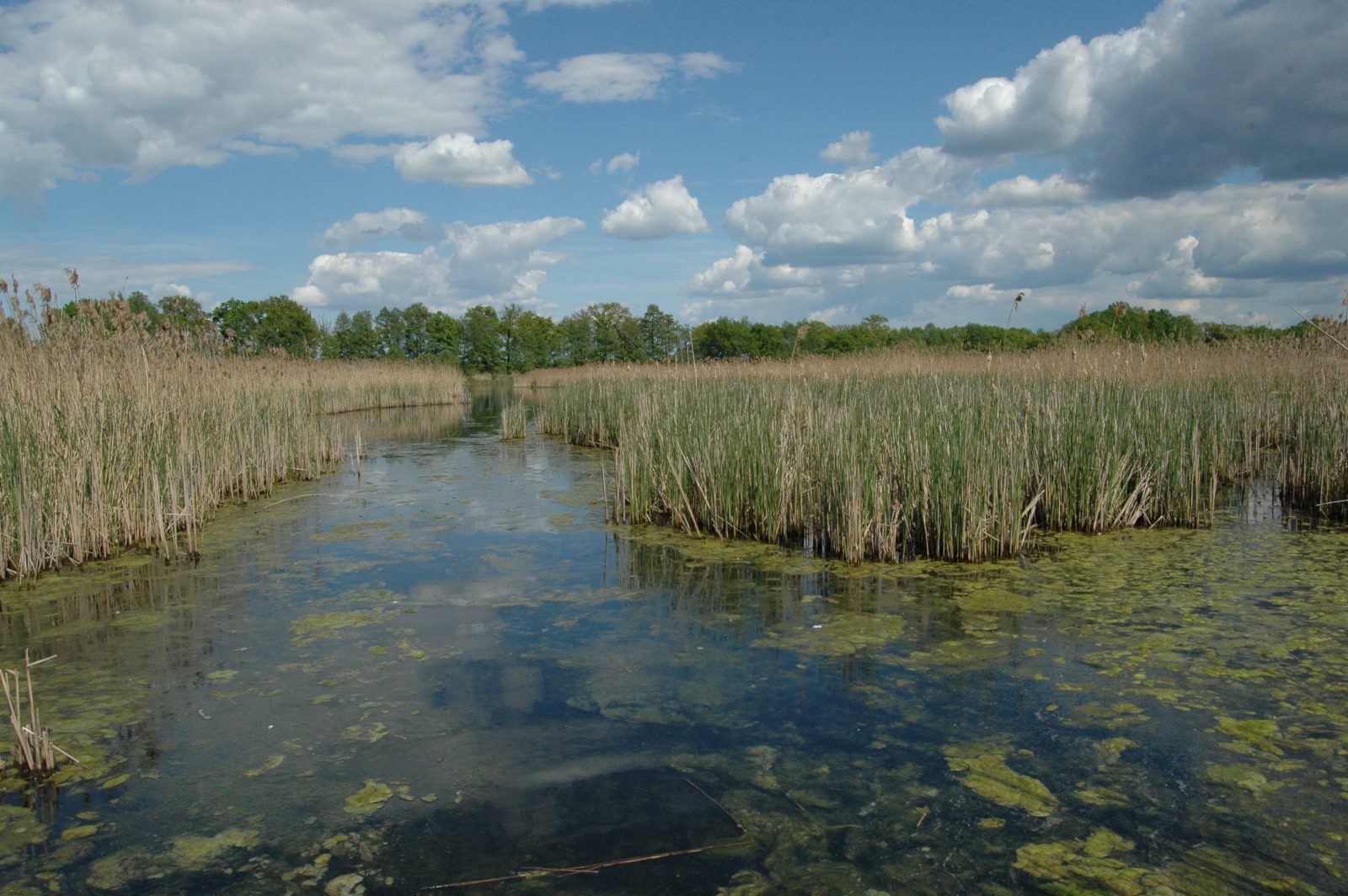
Campaign for amphibian protection with the participation of our researchers
They live in parks, near ponds, and in river valleys. And although frogs, newts, and toads are our greatest allies in the fight against mosquitoes, they are the most endangered group of vertebrates in the world. The City of Wrocław, in collaboration with scientists and naturalists from the University of Wrocław, is launching the campaign “SKUMAJ TO!” (“Get it!”), which teaches how to spot amphibians in the urban jungle and effectively protect them from extinction.
Out of 231 surveyed bodies of water in the city, in as many as 203 the presence of amphibians was confirmed. This shows the scale of the phenomenon: they are not a rarity, but a permanent element of the urban ecosystem. They are most commonly found in the valleys of Odra, Bystrzyca, Oława, and Widawa rivers – where access to water and green spaces create suitable living conditions.
In Wrocław lives the majority of amphibian species – at least 11 out of 19 found in Poland – and all of them are protected. These include the smooth newt, the northern crested newt, the fire-bellied toad, the common spadefoot, common and green toads, the European tree frog and several other frog species
– What distinguishes Wrocław is not only the number of water bodies inhabited by amphibians, but also the species composition. The strictly protected European tree frog, which is absent or at best rare in many cities, here inhabits almost one-third of the surveyed bodies of water. This is a truly exceptional situation – says dr hab. Krzysztof Kolenda, head of the Department of Evolutionary Biology and Vertebrate Conservation at the Faculty of Biological Sciences of the University of Wrocław.
– The role of scientists is to advise the city – the researcher explains, emphasising the involvement of students from the Environmental Management research group at the University of Wrocław. – It is them who are carrying out an important project concerning the protection of amphibians – says dr hab. Krzysztof Kolenda. The aim of the project is to determine the state of vertebrate mortality on the roads crossing ecologically valuable areas in the city and proposing measures to reduce this negative phenomenon.
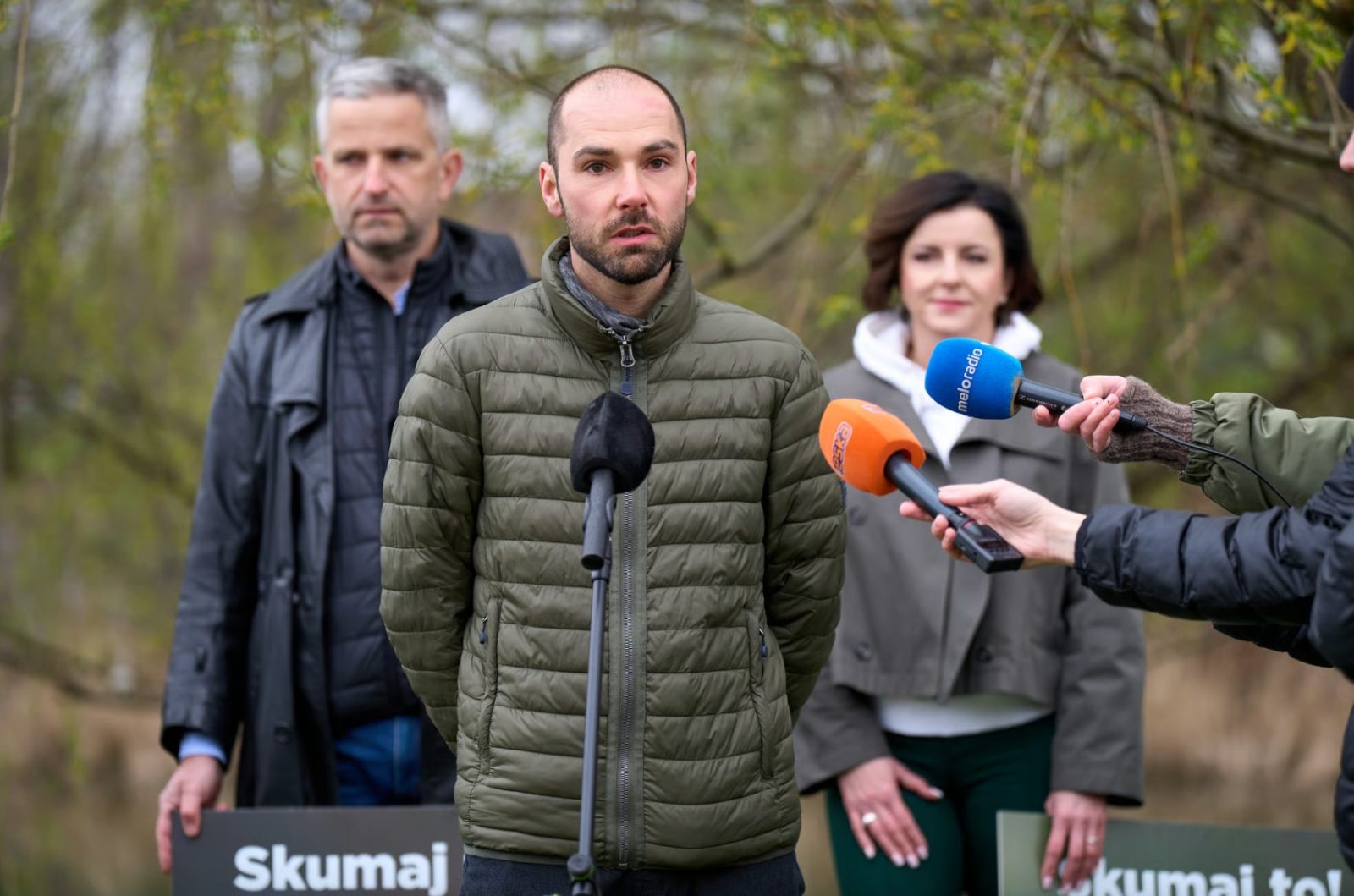
At the end of March, students took part in a meeting with the Environment Department of the Wrocław City Council, during which they presented the first results of the project.
Although often underestimated, amphibians are key allies of city residents in maintaining balance in the ecosystem. Their presence in gardens or parks serves as a natural barrier for insects and molluscs that often damage our crops. Amphibians are natural ‘hunters’ – toads effectively reduce sług populations in gardens, while tadpoles of tailless amphibians and newt larvae eat mosquito eggs and larvae – often in places inaccessible to fish. Many species also enrich our evening walks with their songs. Among the most beautiful is the call of the green toad, which resembles the trill of a canary, which can be heard on warm spring evenings.
Amphibians are currently the fastest declining group of vertebrates in the world – globally as many as 41% of species are endangered. In a dynamically evolving city their main challenge is maintaining a connection between green areas.
Most species are characterised by philopatry, an instinctive return to the same breeding grounds where they were born. When their traditional migration routes are disrupted by new infrastructure, frogs and toads encounter obstacles they cannot overcome. Climate change is also an important factor, because it causes the small, ecologically valuable water bodies to dry out faster than before. In urban areas, architectural barriers cause additional struggle for the amphibians, creating deadly traps for these small animals.
– Amphibians are incredibly delicate to environmental changes, which is why it’s important that modern architecture of the city takes the preservation of their breeding grounds as well as their migration routes into account. The disappearance of water bodies means that there is nowhere for these animals to reproduce. When a road separates hibernation sites from ponds, mortality increases significantly. However with properly planned investments, construction of crossings, barriers, and community support, we can ensure that city development and nature can safely coexist – says dr Aleksandra Kolanek from the NATRIX Herpetological Association, a UWr scientist who has spoken about this topic extensively.
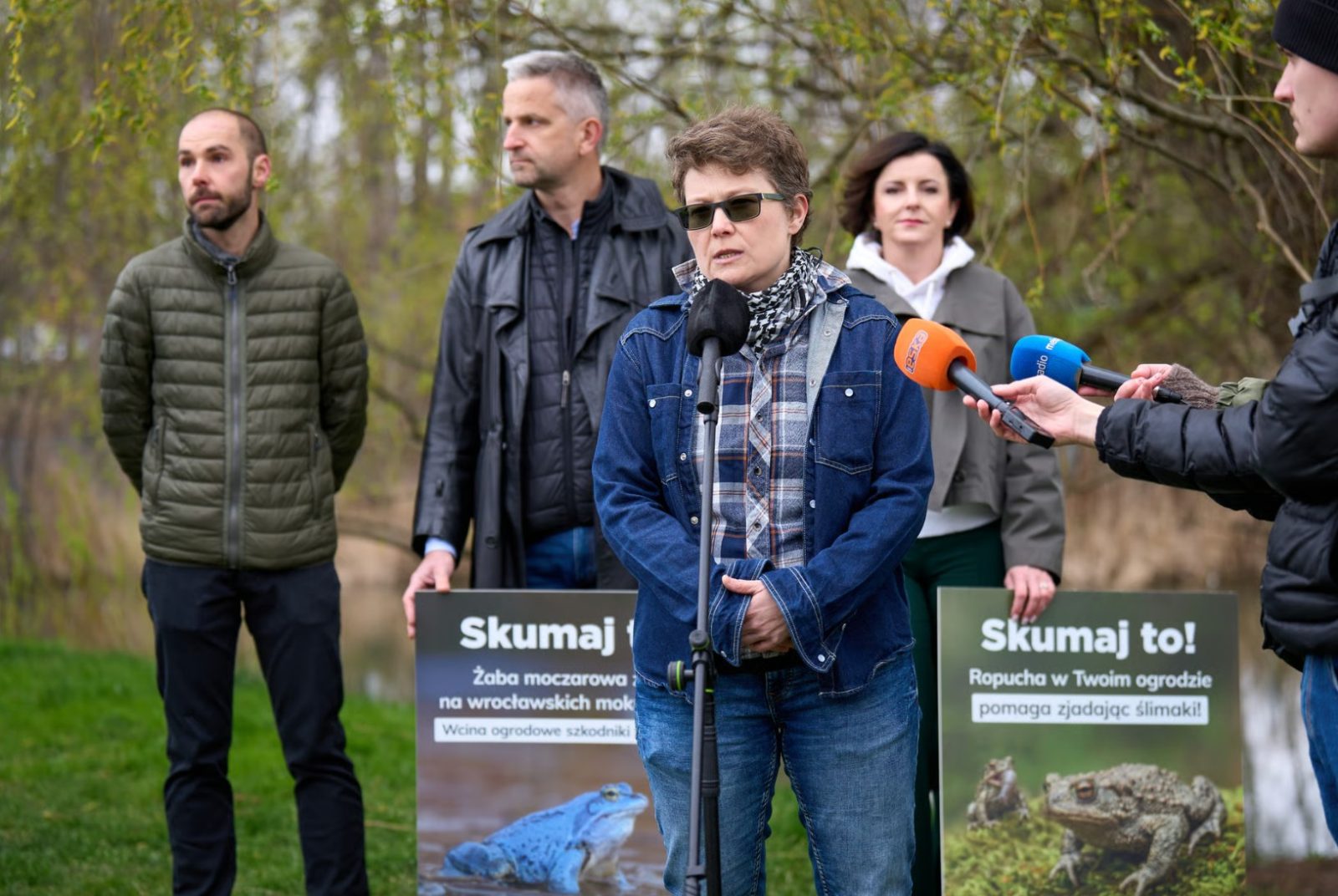
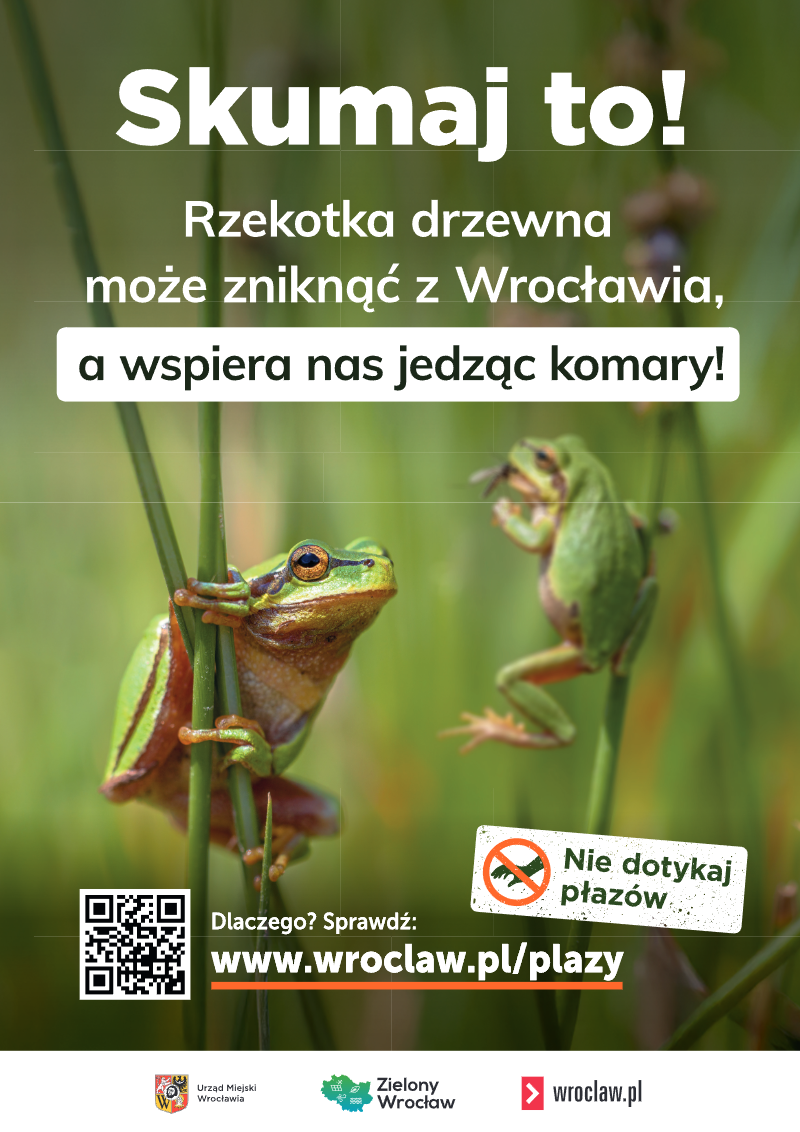
The „SKUMAJ TO!” campaign aims to be a turning point in attitudes toward amphibians in the city. Its premise is simple: knowledge should lead to action.
Wrocław’s efforts to protect amphibians are multifaceted – from formal protection of ecologically valuable areas to technical solutions in urban infrastructure. The key element of this strategy is the establishment of protected areas in places where nature has retained its most valuable form. Examples include ecological sites such as Las Pracki, Kuźniki in the Ślęza valley and Łacha Farna. The city is also working on creating a nature reserve on Pola Irygacyjne. Protection is not only about restrictions, but also about continuous field work. Last year, over 20 tons of waste were removed from a pond in Las Pracki, where four amphibian species live (including the strictly protected northern crested newt).
An innovative approach is combating the effects of drought through so-called ‘hot-spots.’ The city has developed a concept of redirecting rainwater and meltwater into natural, drying reservoirs. Examples include a pond in Park Świetlików in Maślice and reservoirs in Pilczyce. These last ones, thanks to the cooperation with naturalists and a multi-variant water management plan, may become a model example of combining urban water retention with active amphibian conservation.
– We want residents to start noticing amphibians and understand their role. We want to emphasise that these are not just ‘some frogs.’ These are specific species with specific needs that genuinely affect the quality of life in the city. The campaign is aimed broadly: at residents, investors, and administrators, because every urban planning decision matters. We want those decisions to be made consciously – emphasises Małgorzata Demianowicz, the director of the Environment Department of the Wrocław City Council.
Translated by Julia Siwiec (student of English Studies at the University of Wrocław) as part of the translation practice.
We also recommend other articles about actions taken by UWr scientists for environmental causes:
Our biologists on the Polish State Council for Nature Conservation
Director of UWr Botanical Garden among 50 most important people in Polish ecology
Our expert in the forest conservation group
Our biologists on the Polish State Council for Nature Conservation
Edited by: Katarzyna Górowicz-Maćkiewicz
Date of publication: 10.04.2026


