



“Bliżej Teatru”. Digitisation and online access to the archives of Teatr Polski in Wrocław
The collections of Teatr Polski in Wrocław will be digitised and made available online. This important project for Polish culture involves the Digitisation and Digital Services Department of the University Library in Wrocław.
The University of Wrocław, specifically the Digitisation and Digital Services Department of the University Library is responsible for carrying out and supervising the digitisation process, preparing the presentation of digital objects in accordance with the international IIIF standard for publication in the System Teatrów Cyfrowych platform, and training staff in modern digitisation methods. We have written about the project before here.
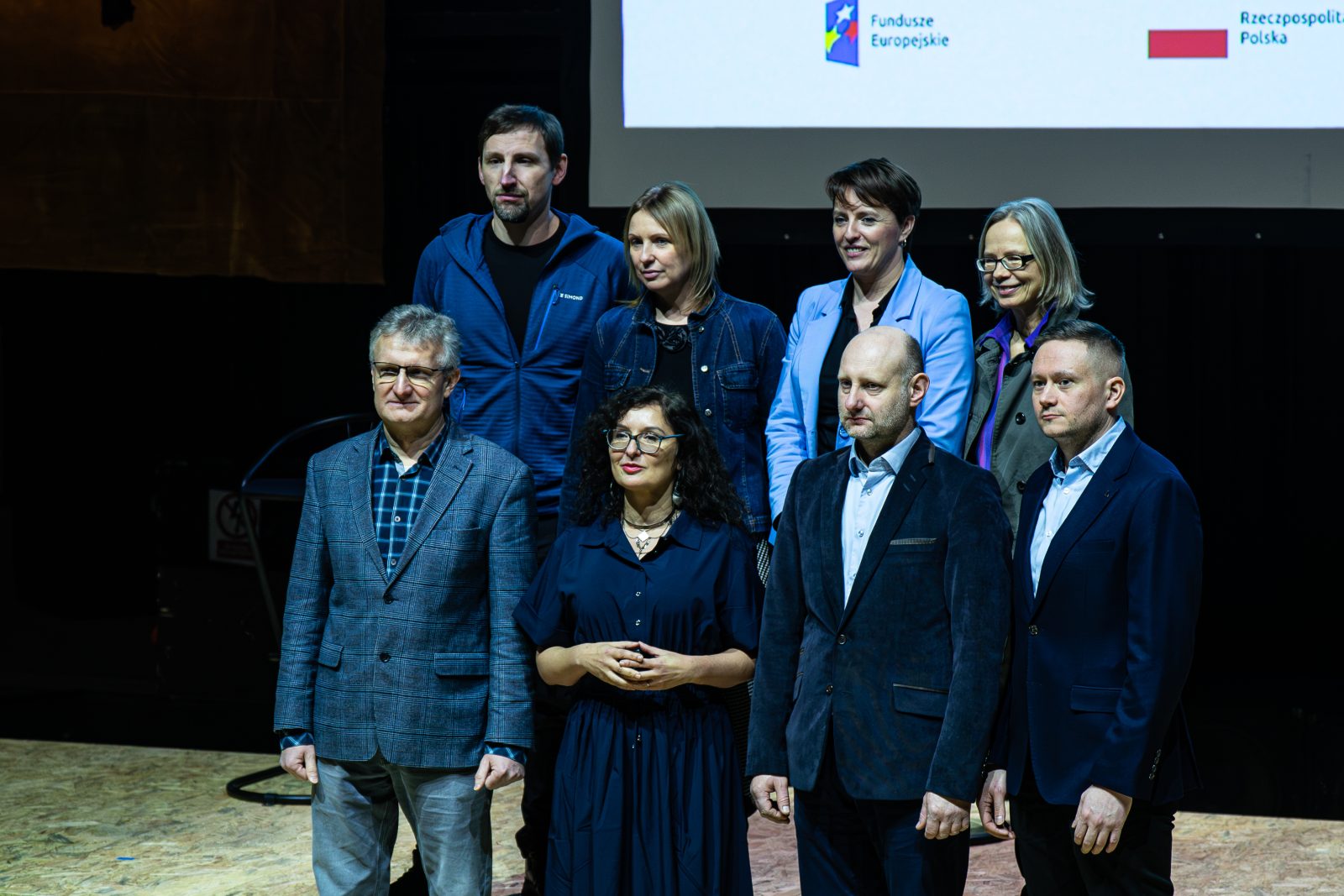
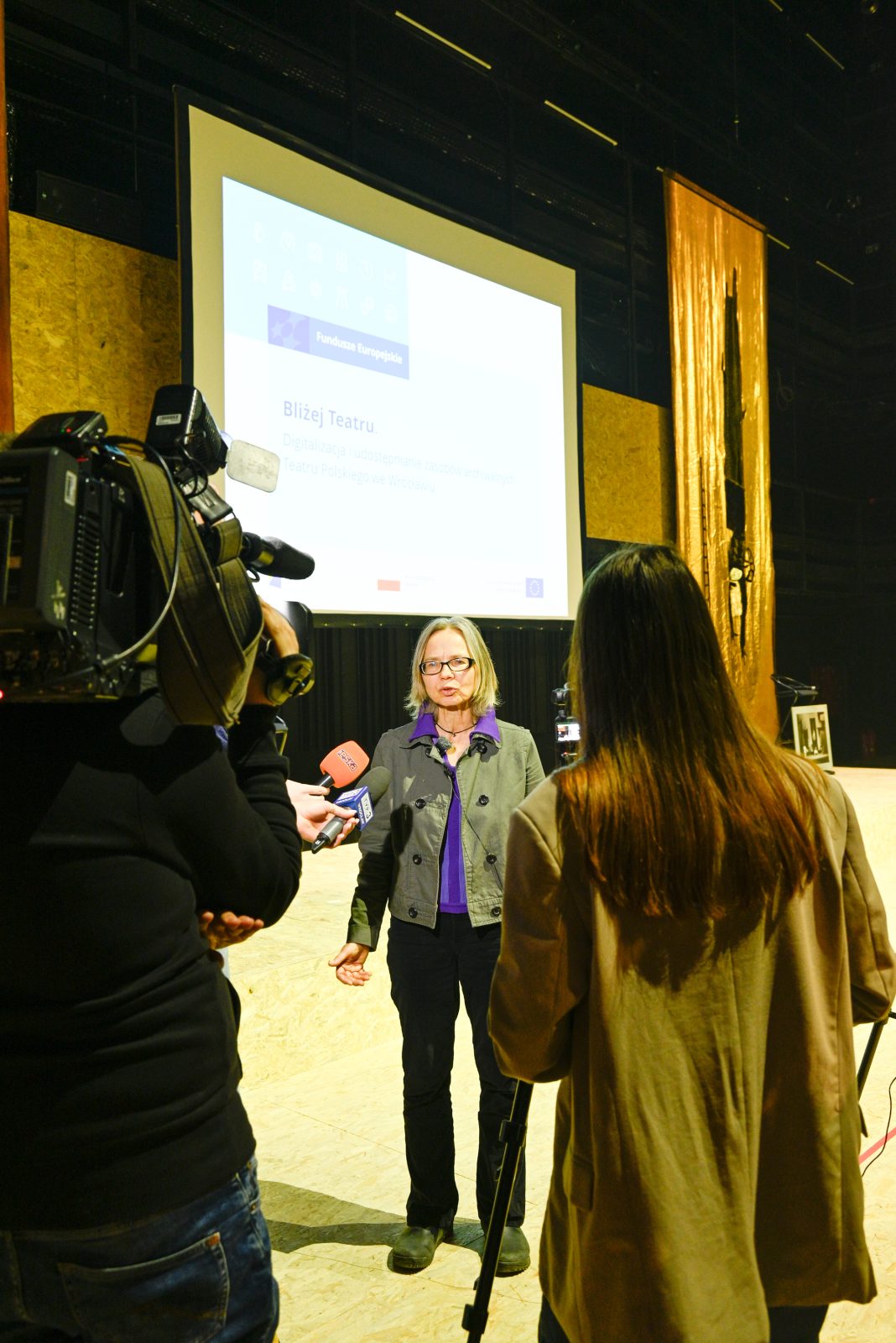
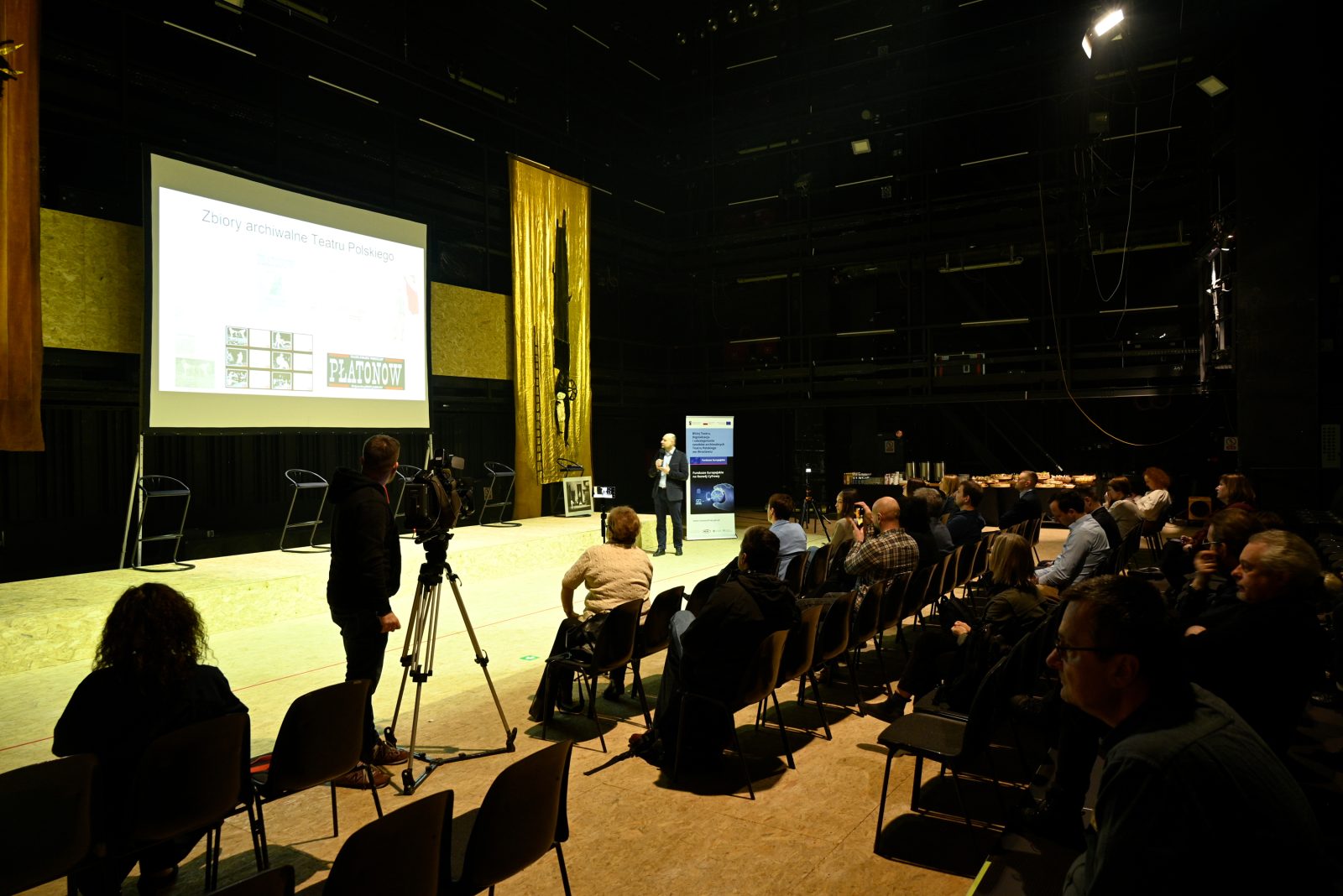
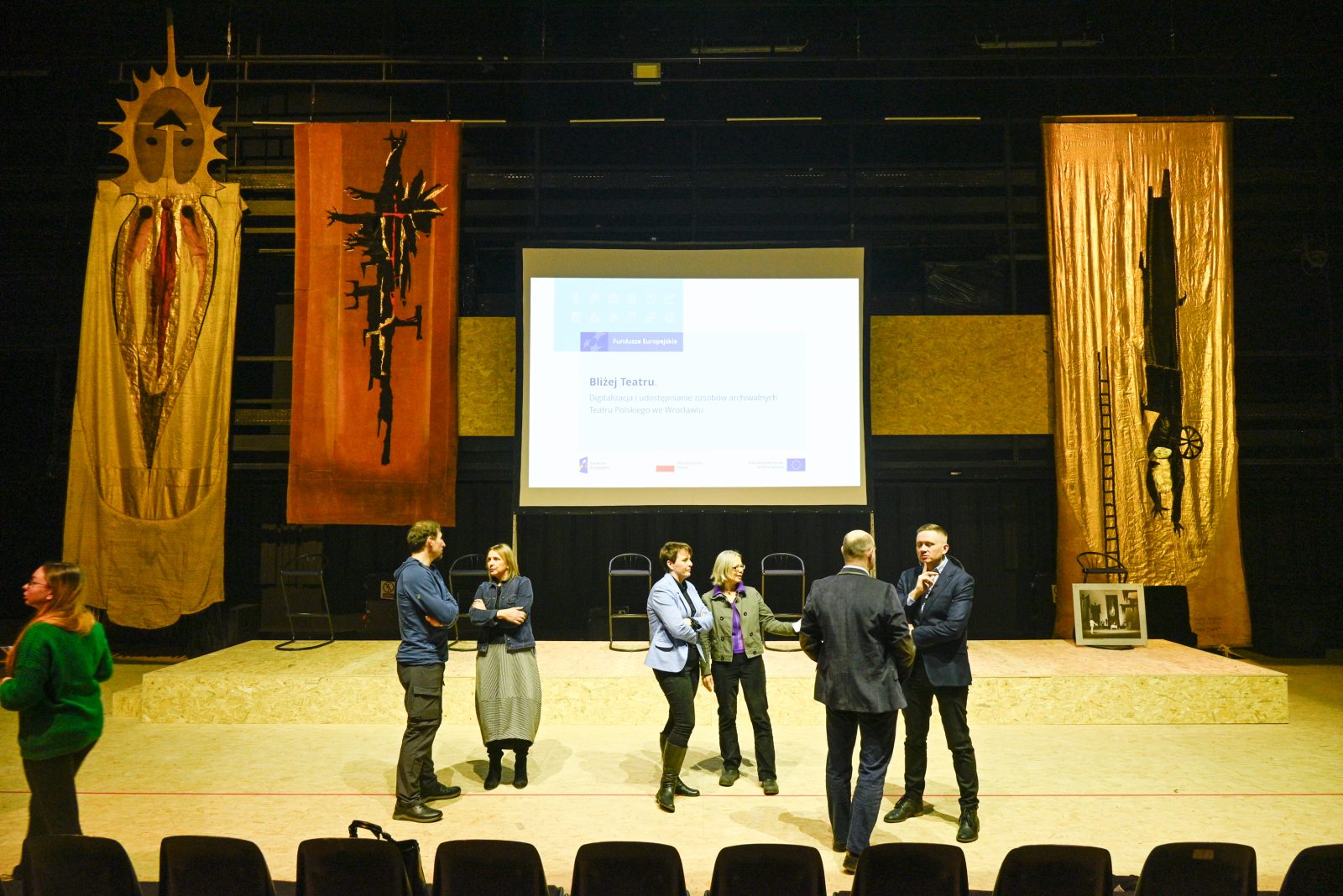
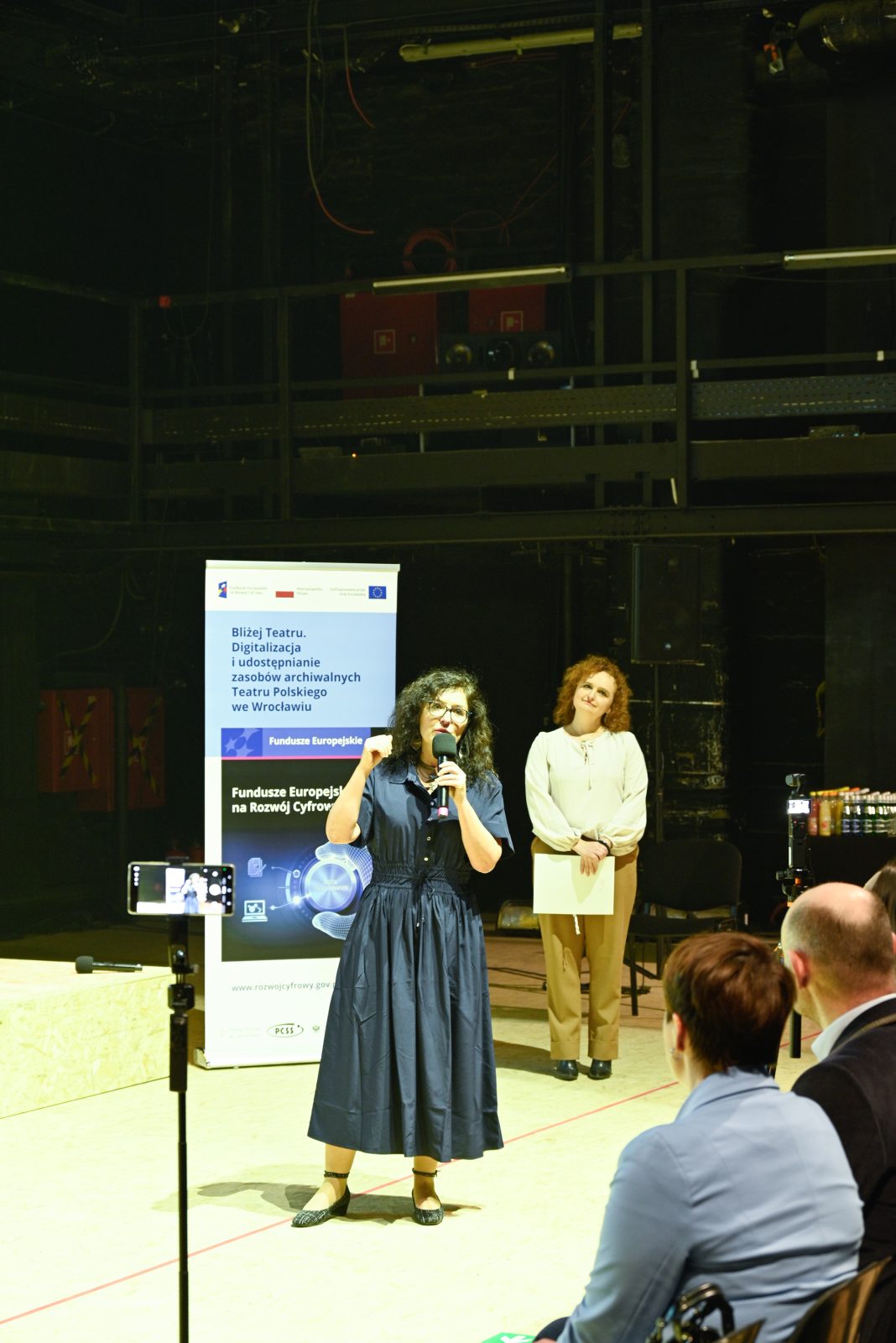
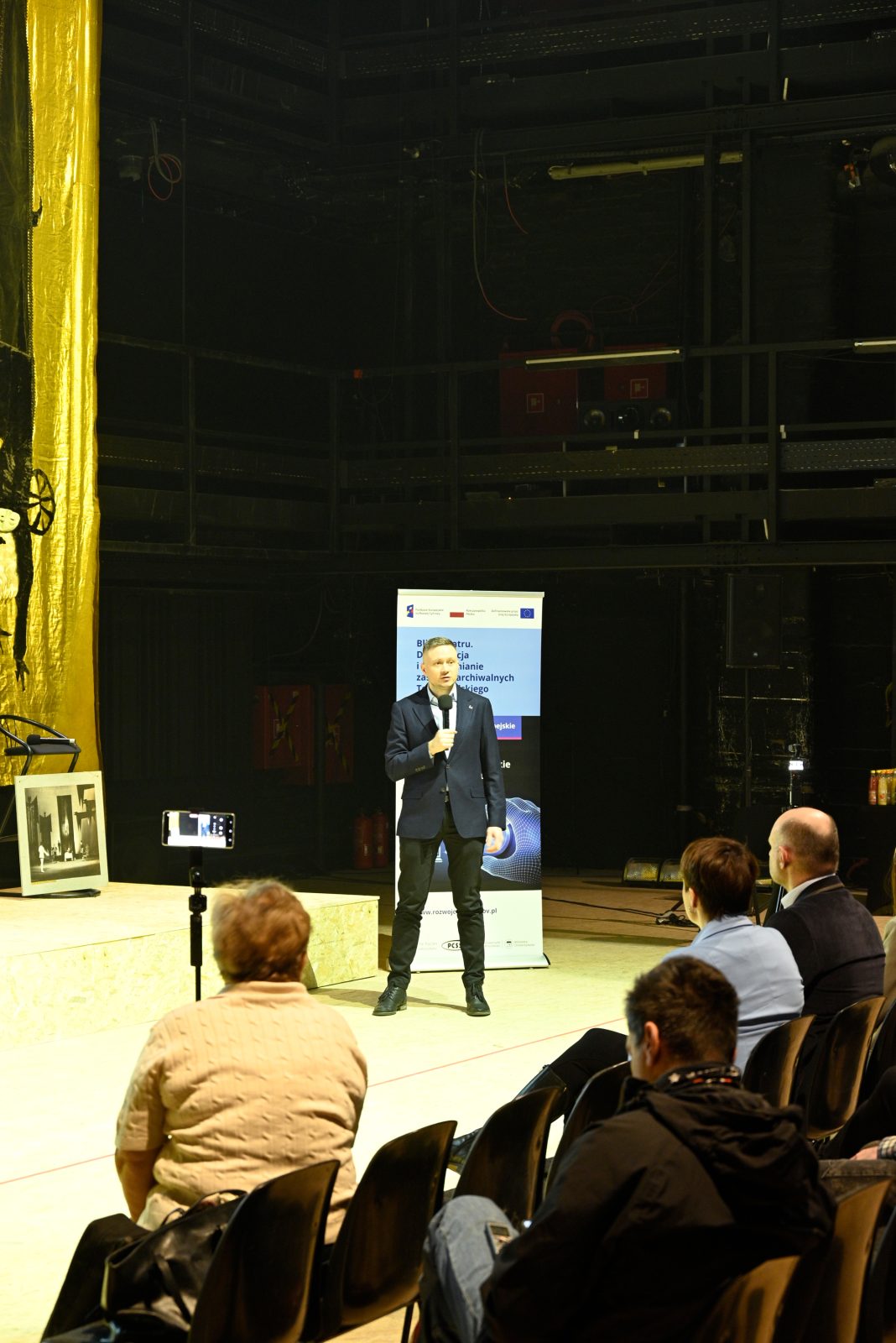
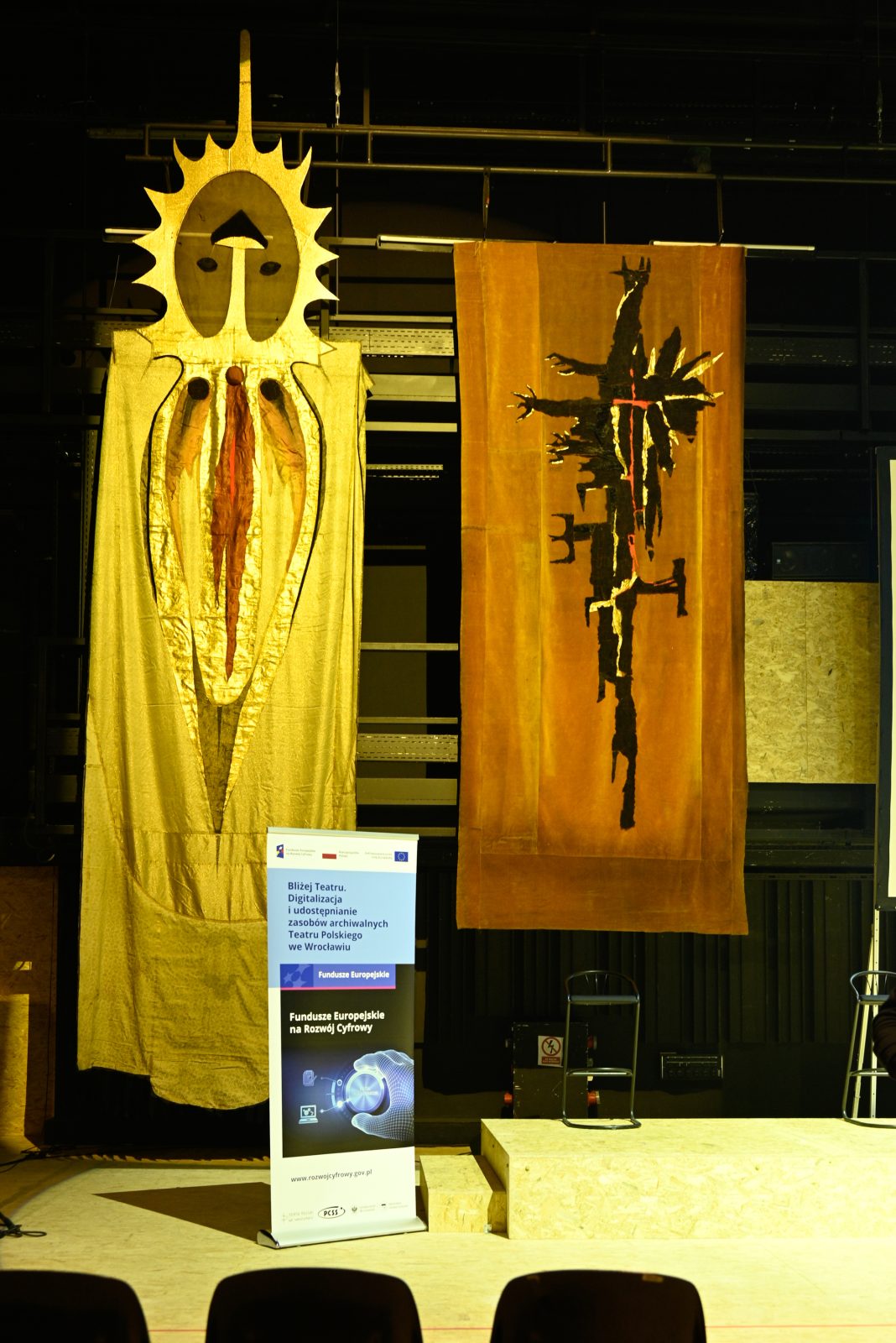
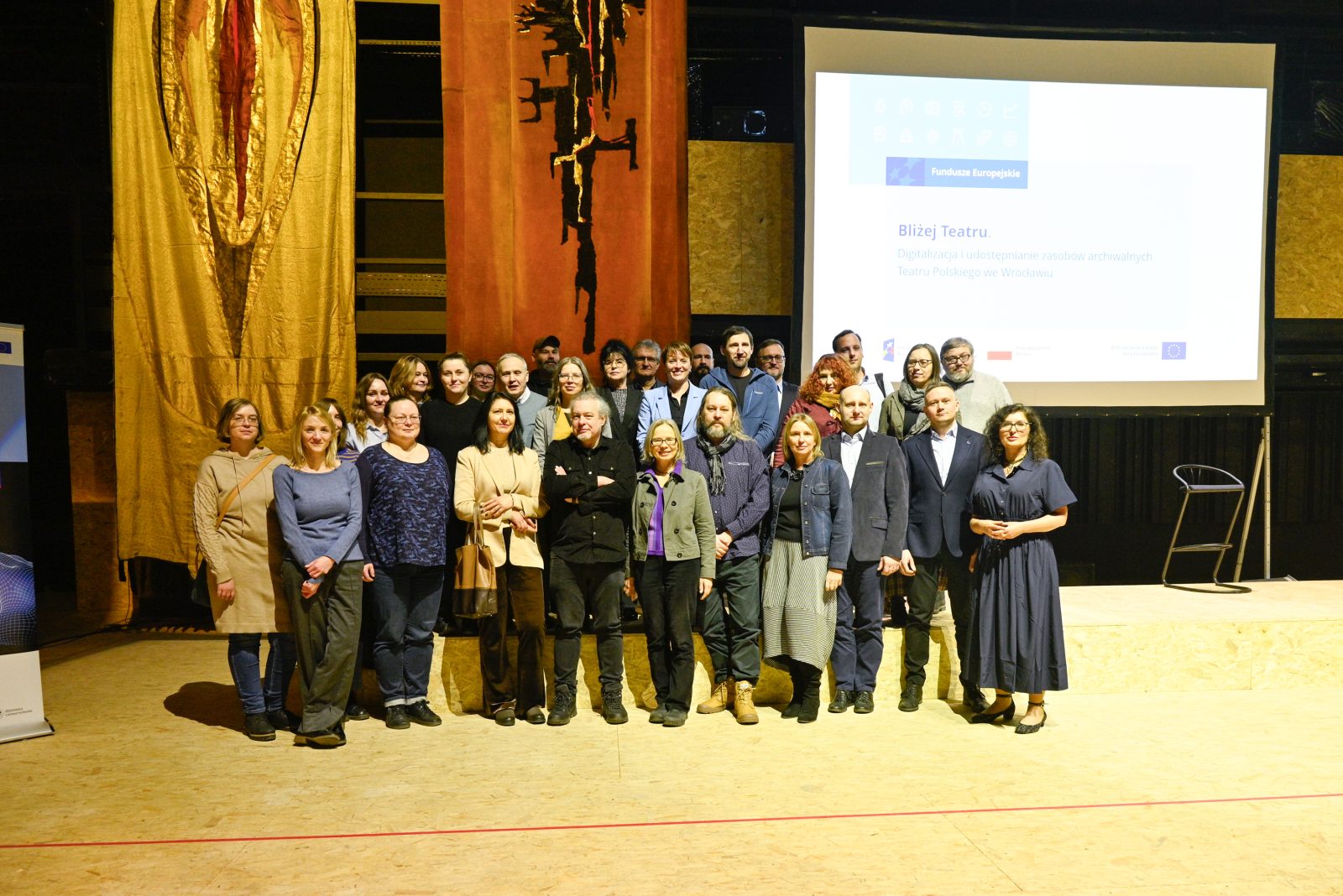
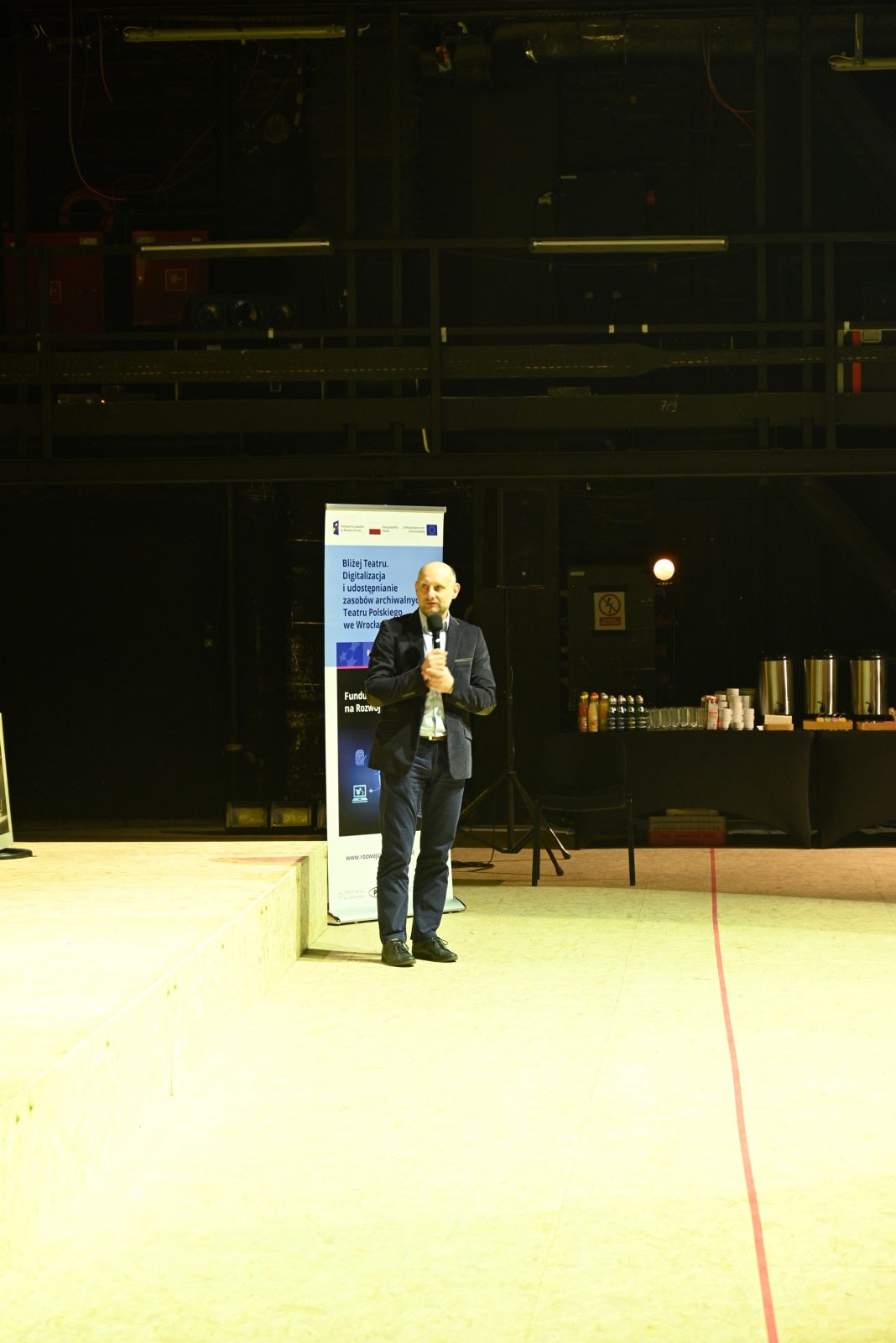
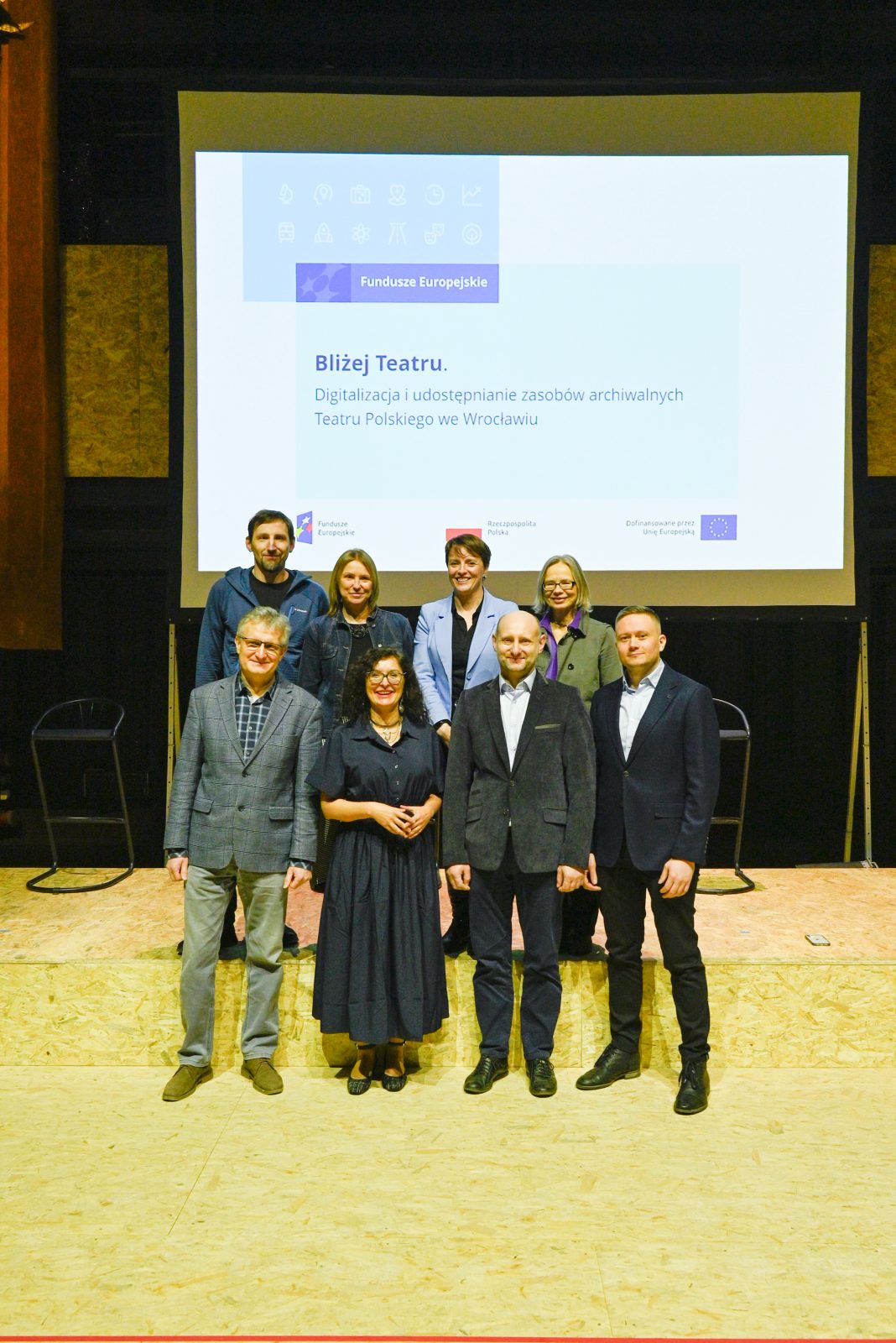
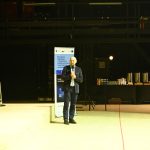
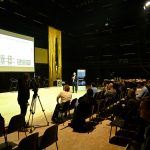
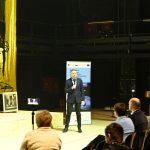
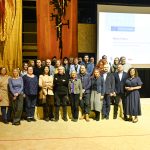
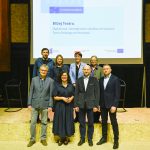
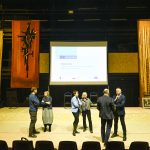
On 21 January 2026, during a press conference inaugurating the project on the Main Stage of Teatr Polski in Wrocław, its key objectives and the innovative solutions applied were presented, including the development of a model process for the digitisation of artistic theatre archives.
The project covers the digitisation of some of the most valuable archival holdings of Teatr Polski in Wrocław, materials documenting the artistic output of the institution over several decades. A total of 643 titles and approximately 70,000 items will be digitised, including recordings of performances, photographs, posters, set and costume designs, and other unique materials of high cultural, social and historical value.
These resources are connected with the work of outstanding figures in Polish theatre, including Tadeusz Różewicz, Jerzy Jarocki, Jerzy Grzegorzewski, Krystian Lupa, Andrzej Wajda, Jan Szurmiej, Kazimierz Wiśniak, Henryk Tomaszewski, Kinga Preis, Mariusz Bonaszewski and many others. These works are of recognised artistic quality and significant educational potential, and until now have been accessible only to a limited extent.
The main aim of the project is to digitise and provide open public access to the unique cultural heritage resources of Teatr Polski in Wrocław, as well as to improve the quality and accessibility of digital cultural resources. The project will help remove barriers to access to theatre archives, including barriers faced by people with disabilities.
Specific objectives include:
- digitising and making archival resources available together with complete metadata,
- implementing modern forms of presentation tailored to the needs of different audiences,
- protecting and safeguarding original archival materials,
- developing a model process for the digitisation of theatre archives,
- creating a model that can be adopted by other theatres and cultural institutions,
- promoting awareness of the potential of digital cultural resources and the benefits of open access.
The project will deliver a number of tangible benefits, including:
- wide, unrestricted online access to archival resources, regardless of time or location,
- organisation, cataloguing and protection of original materials, significantly reducing the risk of damage or loss,
- improved storage conditions for archives through the refurbishment of archival spaces,
- combating social exclusion by ensuring access for people with disabilities,
- shorter search times thanks to the use of metadata,
- reduced costs associated with traditional access and copying of materials,
- integration of resources in a single online location and cooperation with other cultural institutions, including, ultimately, the KRONIK@ repository, significantly expanding the audience.
Who will benefit?
- Teatr Polski in Wrocław, as well as other institutional theatres and independent theatre groups,
- the general public and individual users,
- educational and research institutions,
- cultural institutions (museums, theatres, cultural organisations),
- creators, artists, researchers and critics,
- students and teachers of arts schools,
- public administration,
- technology companies involved in the development of digital tools.
For all target groups, the priority is the protection and preservation of audiovisual heritage and ensuring easy online access to cultural resources, particularly for education, research, artistic activity and the promotion of culture.
Partners
Teatr Polski in Wrocław – project leader, responsible for overall coordination, preparation of metadata and implementation of the System Teatrów Cyfrowych platform.
Poznań Supercomputing and Networking Center (IChB PAN) – develops and maintains the digital infrastructure, further develops the System Teatrów Cyfrowych platform, ensures integration with national and European repositories, and guarantees data security.
University of Wrocław, Digitisation and Digital Services Department of the Library of the University of Wrocław – carries out and supervises the digitisation process, prepares the presentation of digital objects in accordance with the IIIF international standard for publication in the System Teatrów Cyfrowych platform, and trains staff in modern digitisation methods.
The project “Bliżej Teatru. Digitalizacja i udostępnianie zasobów archiwalnych Teatru Polskiego we Wrocławiu” is co-financed by the European Union from the European Regional Development Fund under the European Funds for Digital Development Programme 2021–2027, Priority 2: Advanced Digital Services, Action 3: Digital accessibility and reuse of information.
Total project value: PLN 10,725,485
Grant funding: PLN 10,508,135

Date of publication: 23.01.2026
Edit. KGM
Added by: EJK


