UL: Our publications
Based at the Institute of German Studies within the Faculty of Letters, the journal Linguistische Treffen in Wrocław was accepted for indexing in the Web of Science (Emerging Sources Citation Index), on March 6, 2026. The journal publishes research articles across the broad field of linguistics, as well as review articles and reports on academic events.
A conversation about a new book by University of Wrocław researchers published by Harrassowitz Verlag
Scientists from the Faculty of Biotechnology of the University of Wrocław authored another article in the highly-ranked scientific journal Nature Communications!
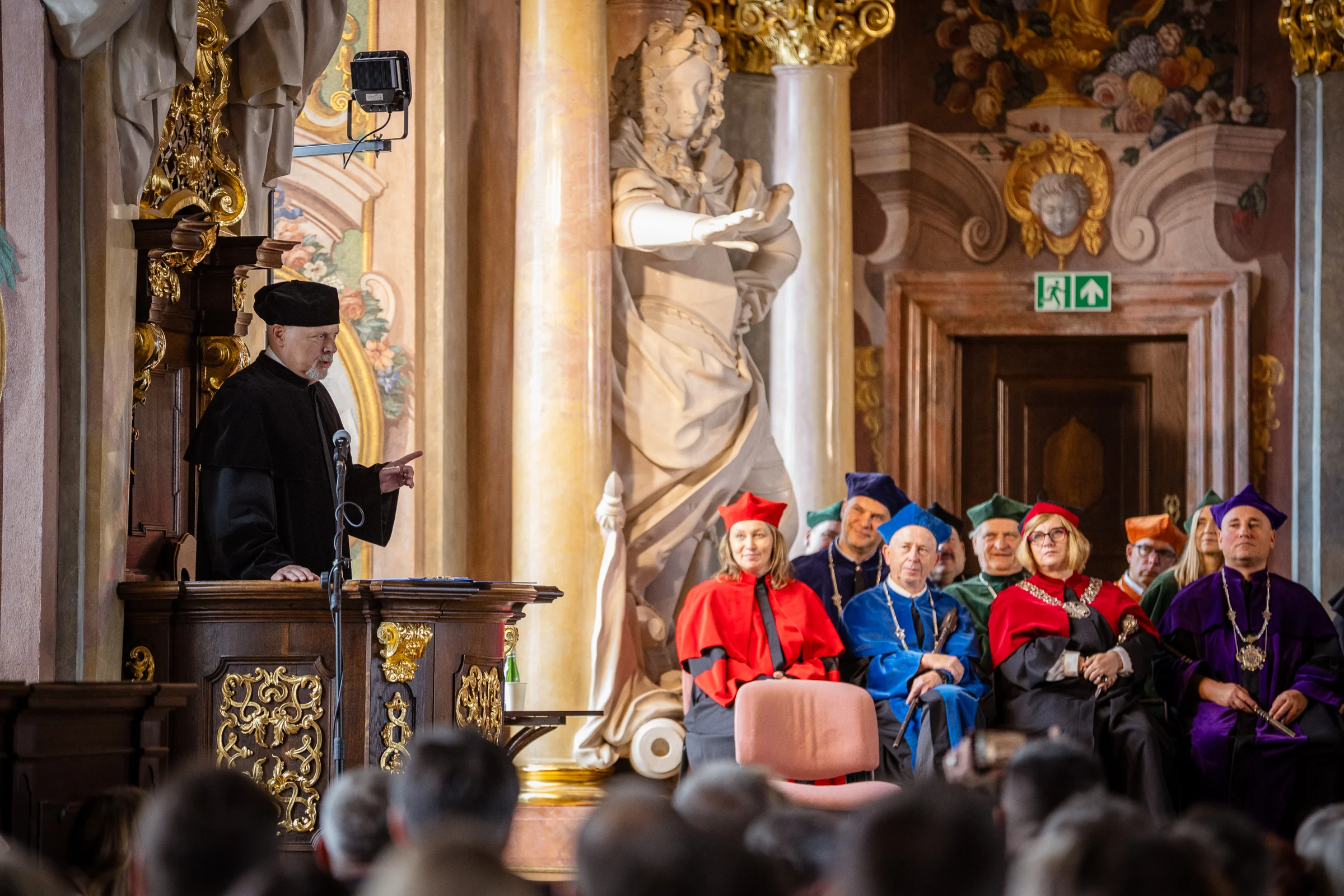
We encourage you to read the exquisite lecture that was given by prof. Marek Krajewski titled: The academic experiences of a writer and differentia specifica of crime novel. A few autobiographical remarks. The writer gave the lecture as part of the 2025/2026 academic year inauguration at the University of Wrocław
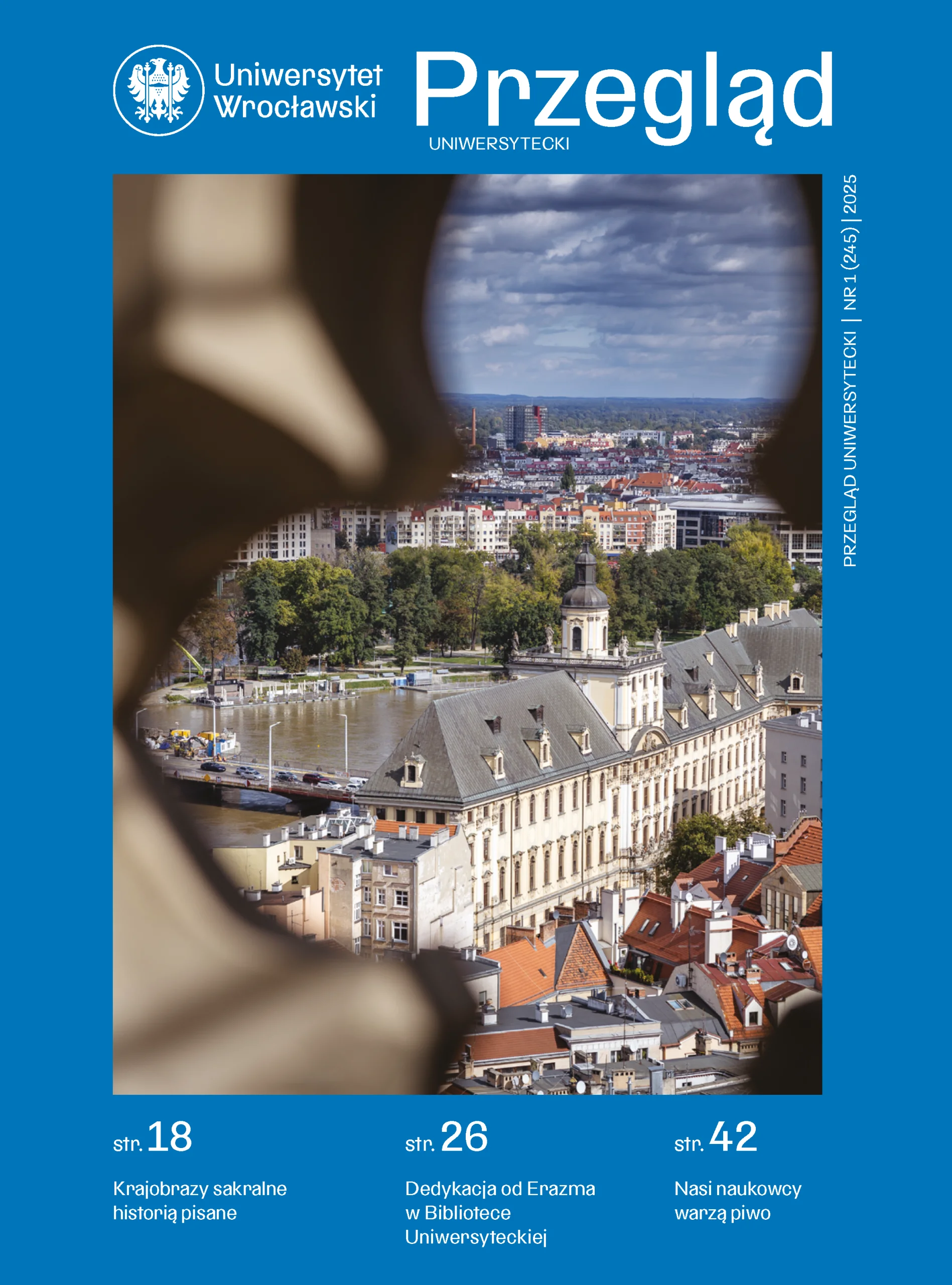
We invite you to read the latest issue of Przegląd Uniwersytecki No. 1 (245) 2025.
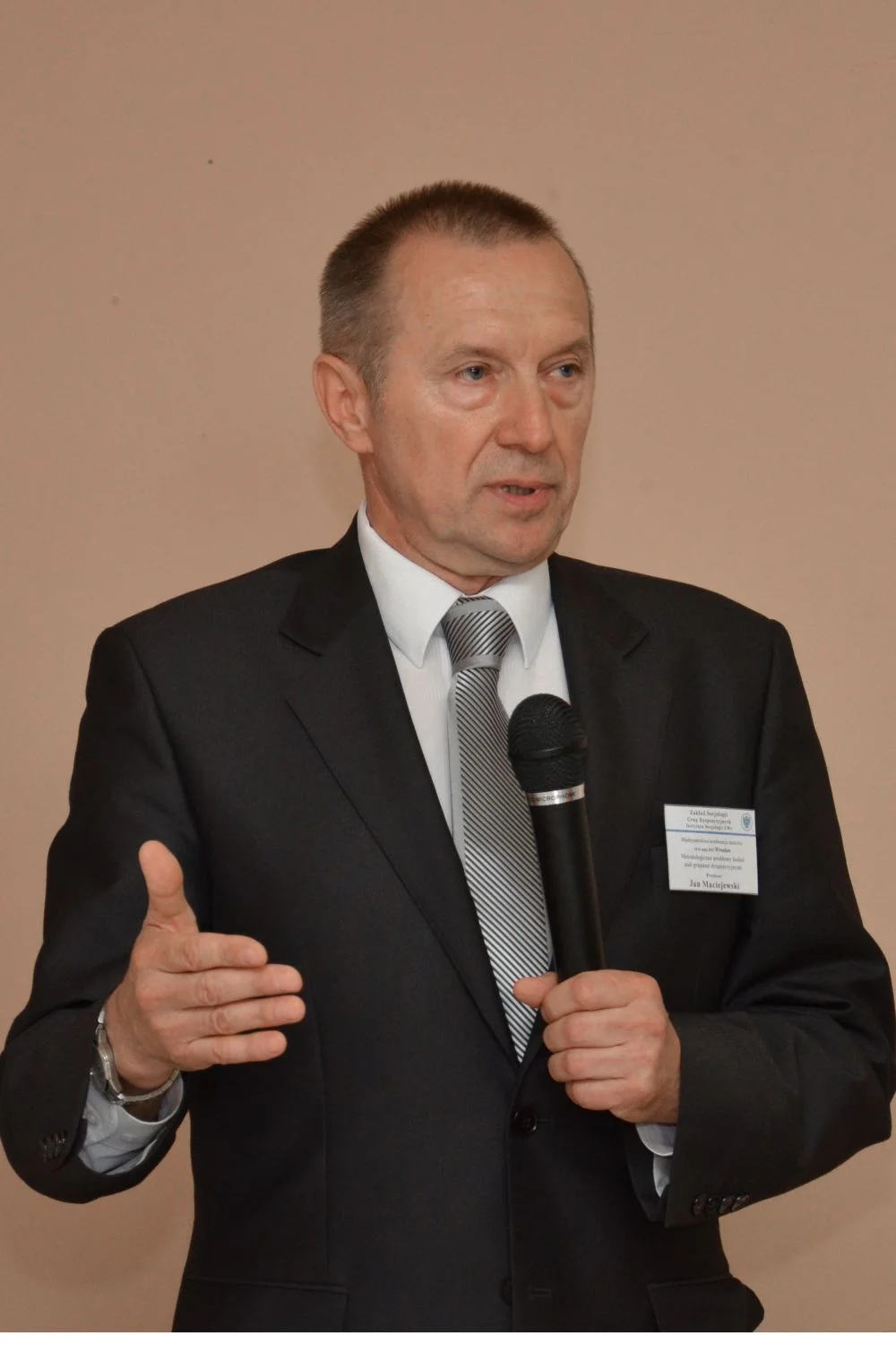
On 1 July at 3:00 p.m., the premiere of the third edition of the book Grupy dyspozycyjne. Analiza socjologiczna will take place in the Oratorium Marianum. The author is dr hab. Jan Maciejewski, prof. UWr, long-time head of the Department of Sociology of Dispositional Groups at the UWr Institute of Sociology.
The Stanisław Vincenz Legacy Research Workshop invites you to an open seminar inspired by the thought and work of the […]
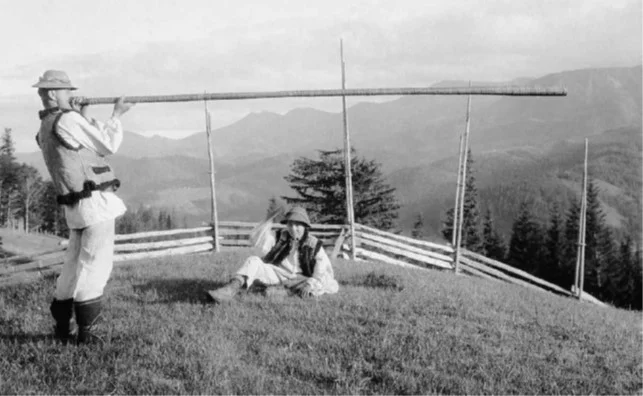

– The winemaking traditions of Lower Silesia date back to the Middle Ages, to the late 12th century. I have been researching and gathering materials on this topic for many years. And I must confess—it wasn’t a passion for wine, but a love of learning and history that inspired this book – said dr hab. Dagmara Adamska, prof. UWr and author of Winogrady i winne wzgórza. Uprawa i produkcja wina na średniowiecznym Śląsku, during a meeting held at the Botanical Garden of the University of Wrocław.
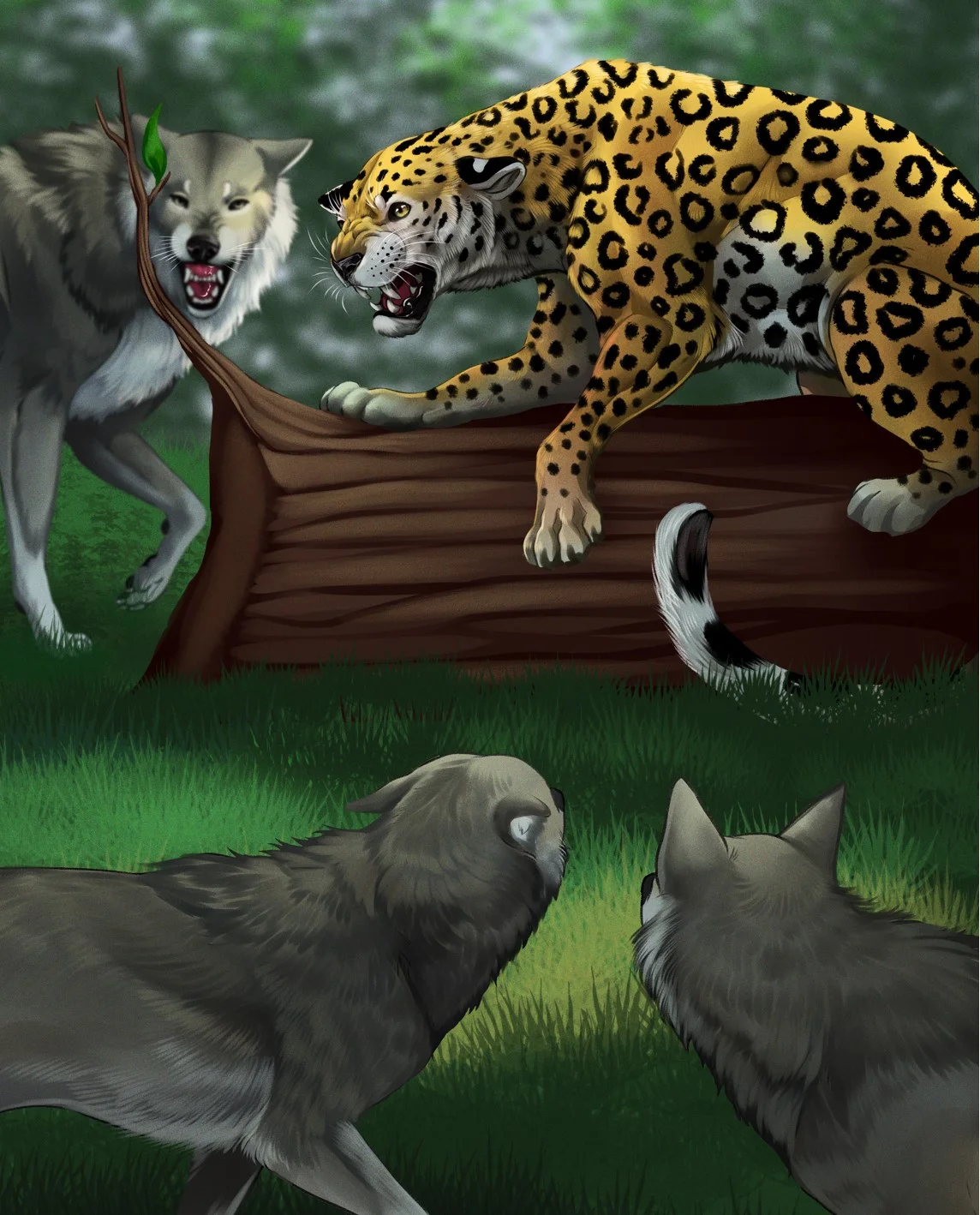
International team of scientists, including dr hab. Adrian Marciszek, prof. UWr from the Department of Paleozoology, researched the habitat and morphology of Pleistocene leopard Panthera pardus, which in the past lived throughout Europe from the Iberian Peninsula to the Jelenia Góra Valley.
In one of the most prestigious journals in the world specializing in the medicinal chemistry and discovering pharmaceuticals, The Journal of Medicinal Chemistry (ACS), a publication appeared which describes the discovery of nanobodies blocking galectine-7 and of which the co-authors are dr Natalia Porębska and prof. dr hab. Łukasz Opaliński from the Department of Medical Biotechnology. The publication came into being in cooperation with the prof. Yves St Pierre team from INRS Quebec, Canada.
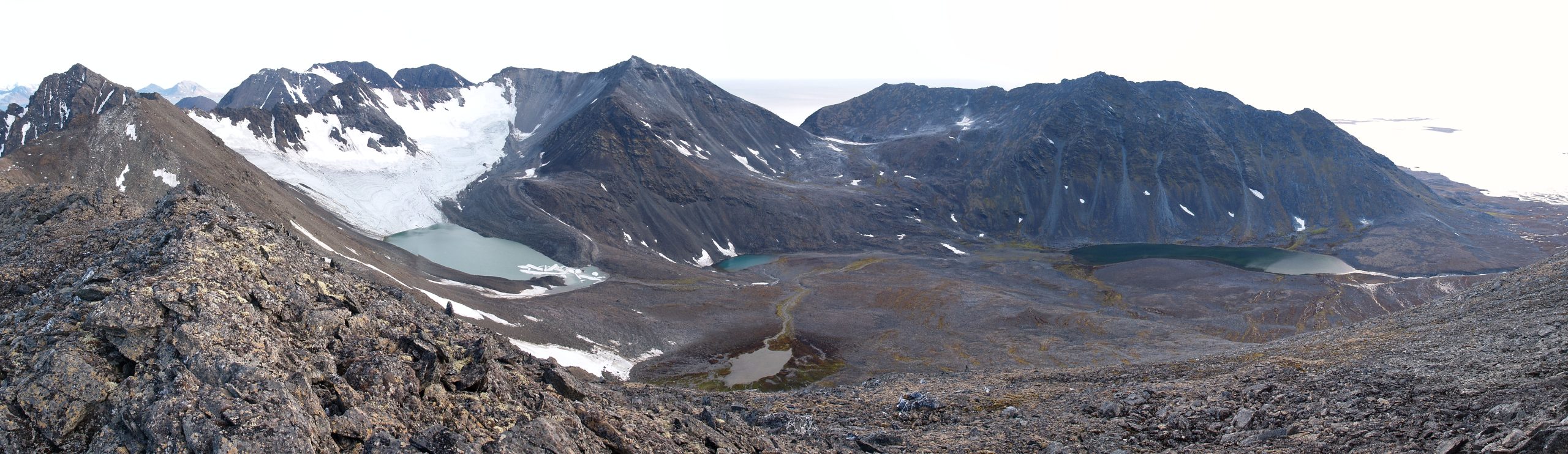
Polish scientists, including researchers from the University of Wrocław, have investigated how climate change is reshaping the Arctic water cycle. The results of their analysis can be used to develop strategies to minimize the risks associated with extreme hydrological events in the polar and alpine regions.
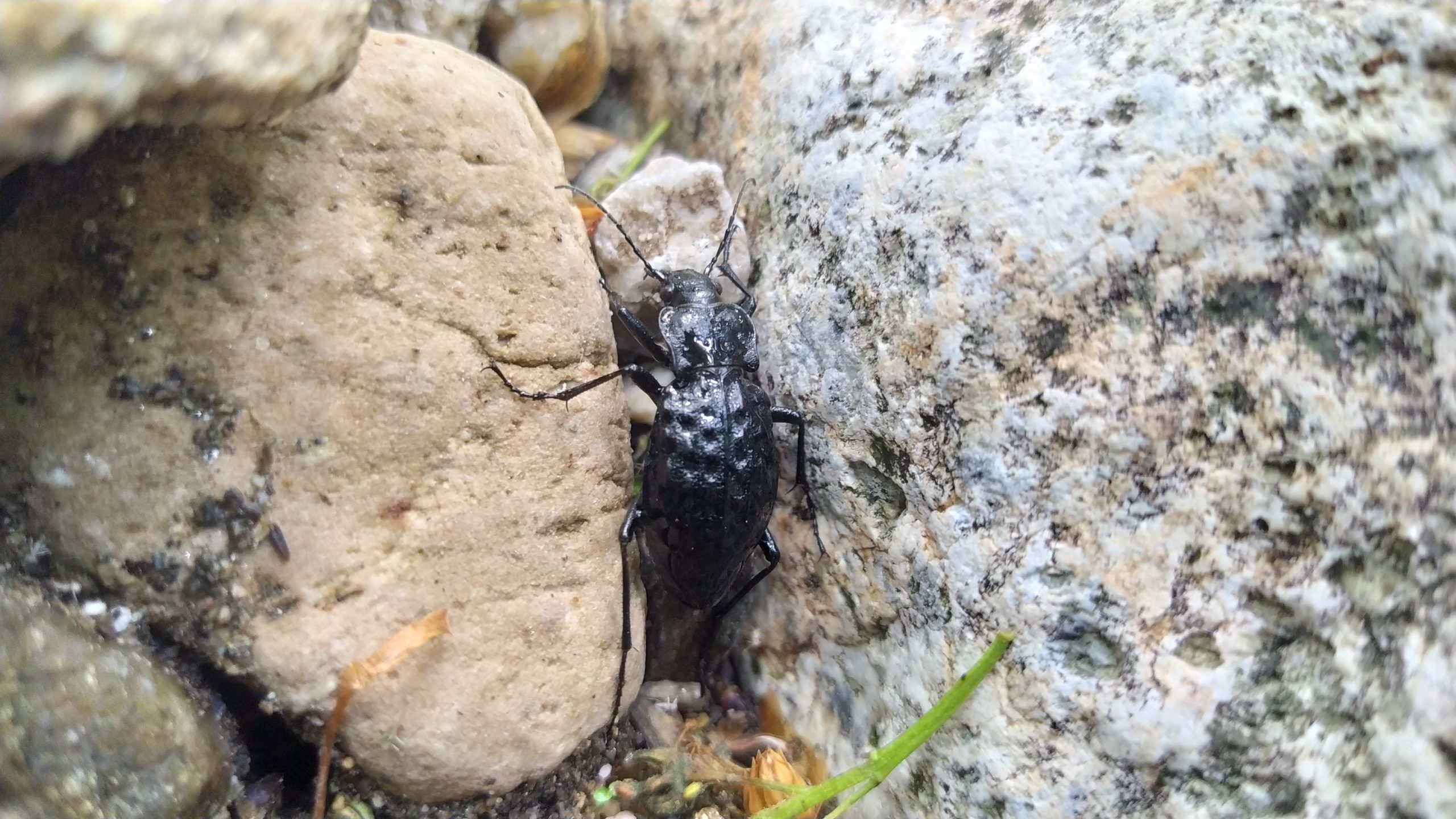
At first glance, a thick blanket of snow may seem uninviting for a beetle. Carabus variolosus is different. This beetle is the variegated ground beetle, which thrives in areas where snow lingers. Snow cover is a crucial factor influencing the population size of this species.
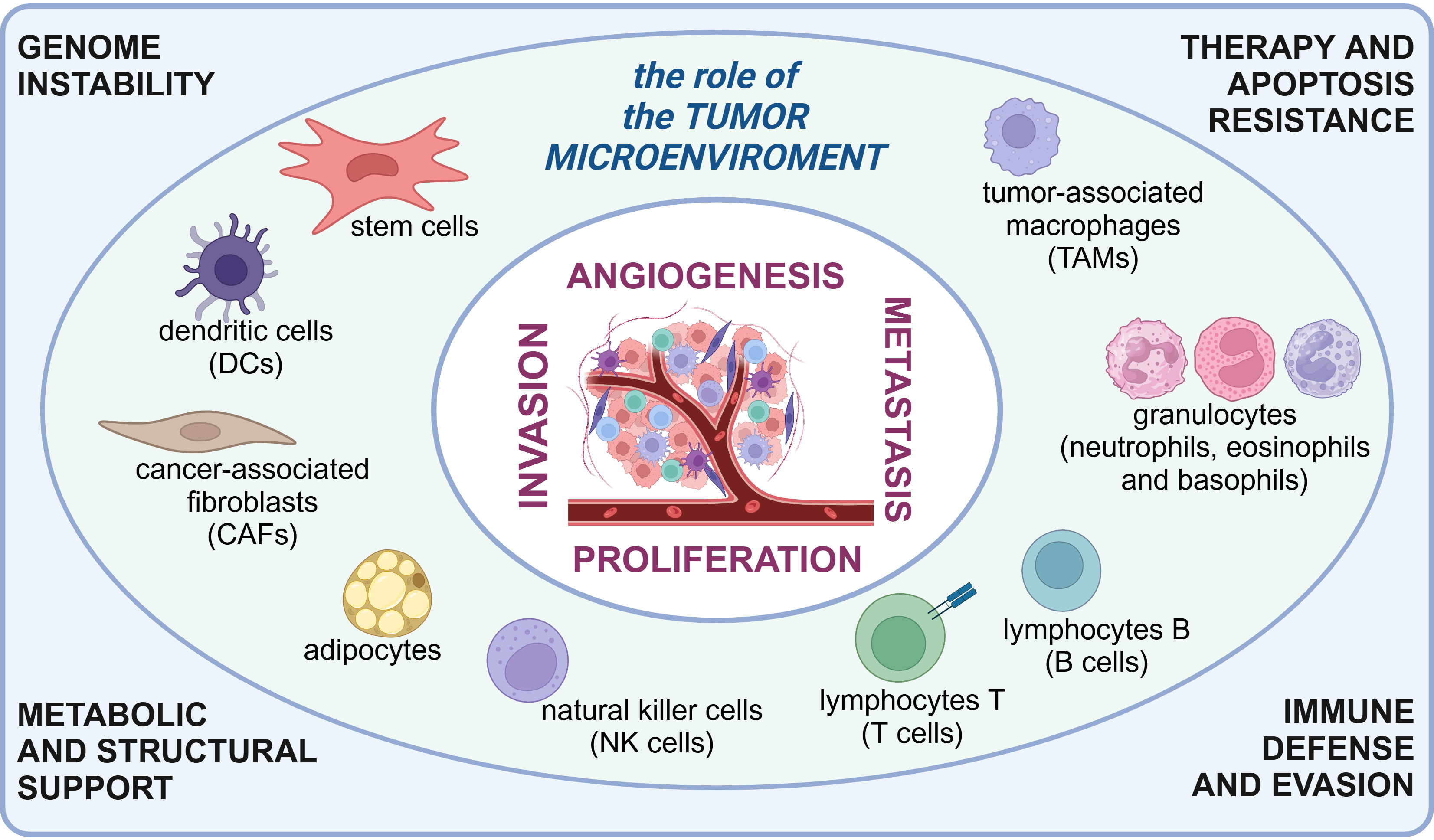
A team of scientists from the Department of Physiology and Molecular Neurobiology at the University of Wrocław in collaboration with the Department of Molecular and Cellular Biology at the Wrocław Medical University, has published an extensive review article titled “Cross-Talk Between Cancer and Its Cellular Environment—A Role in Cancer Progression” in the journal Cells. The article was commissioned by the editorial team as part of a special issue entitled “Cell-to-Cell Crosstalk as a Target of Therapies”.
Unpredictable temperature fluctuations, especially drops, are a common phenomenon in the temperate climate zone. Cold stress, which includes chilling (0-15 […]