UL: Popularisation of science

Dr Aleksandra Kubiak-Schneider of the Centre for Research on the Antique World was a guest on the Eureka programe on Polskie Radio Program 1.
Students from the Scientific Association of Clinical Psychology and the M. Wisłocka Scientific Association of Sexology at the University of Wrocław, invite you to a two-day conference, 18-19 January, to be held at the UWr Institute of Psychology, ul. Dawida 1, Wrocław.
Seven Polish-Czech and two trilateral projects involving teams from the Czech Republic, Germany and Slovenia have been selected for funding in the Weave-UNISONO 2024 competition. Among them is a project by dr hab. Małgorzata Zakrzewska, prof. UWr at the Faculty of Biotechnology.
The UWr Institute of Geological Sciences invites to a lecture by prof. Marek Awdankiewicz, who will talk about volcanism in the Solar System. The lecture will be held on January 24 at 3:00 pm at the Institute of Geological Sciences, pl. Maksa Borna 9, room 220.
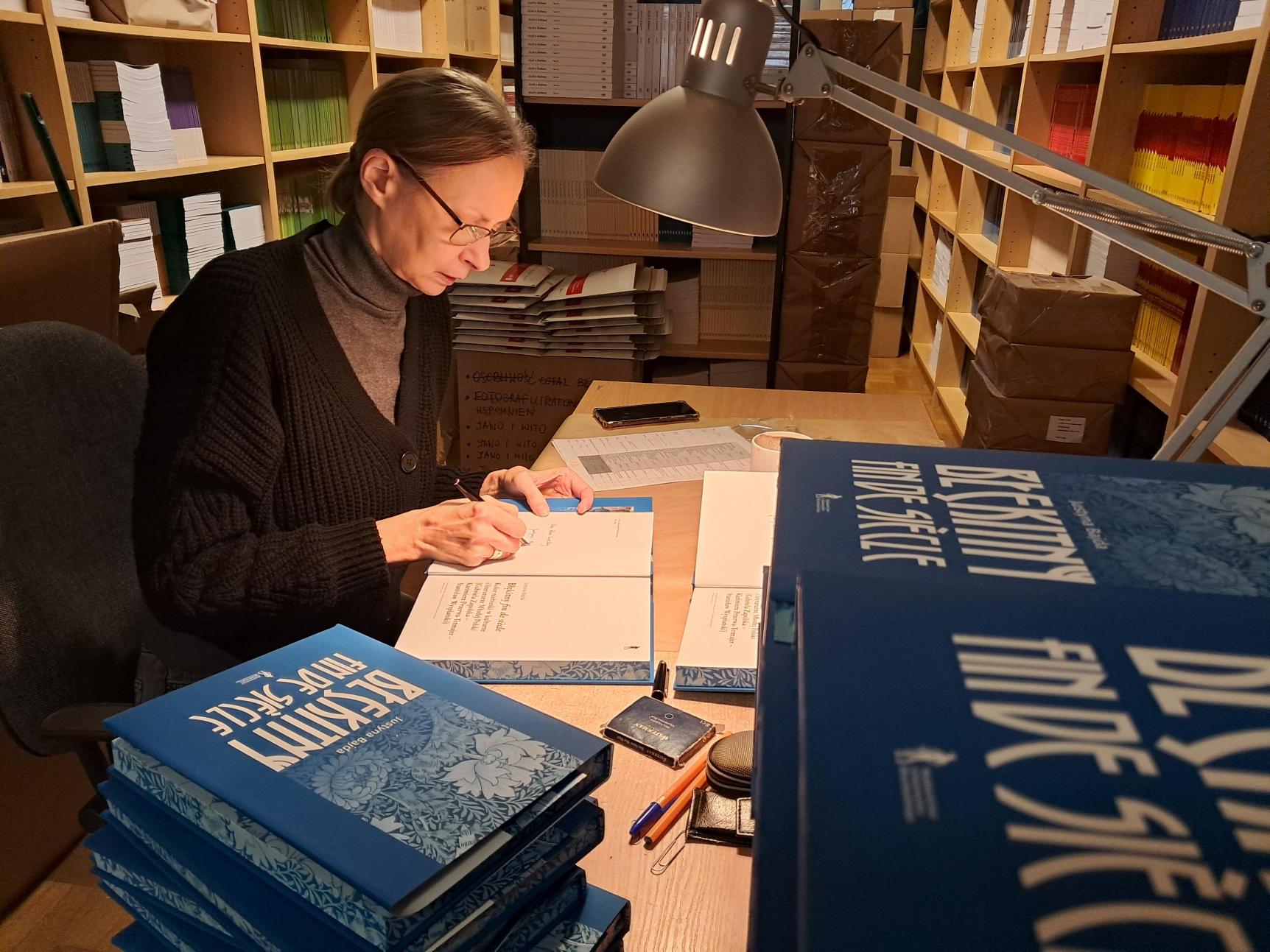
In our series #MondayswithWUWr, we keep you up to date with the most important events, book news and issues important to the Publishing House! We also encourage you to follow the wuwr.eu website and the Publishing House’s social media – Fb, LinkedIn and Instagram and YouTube. We encourage you to follow!
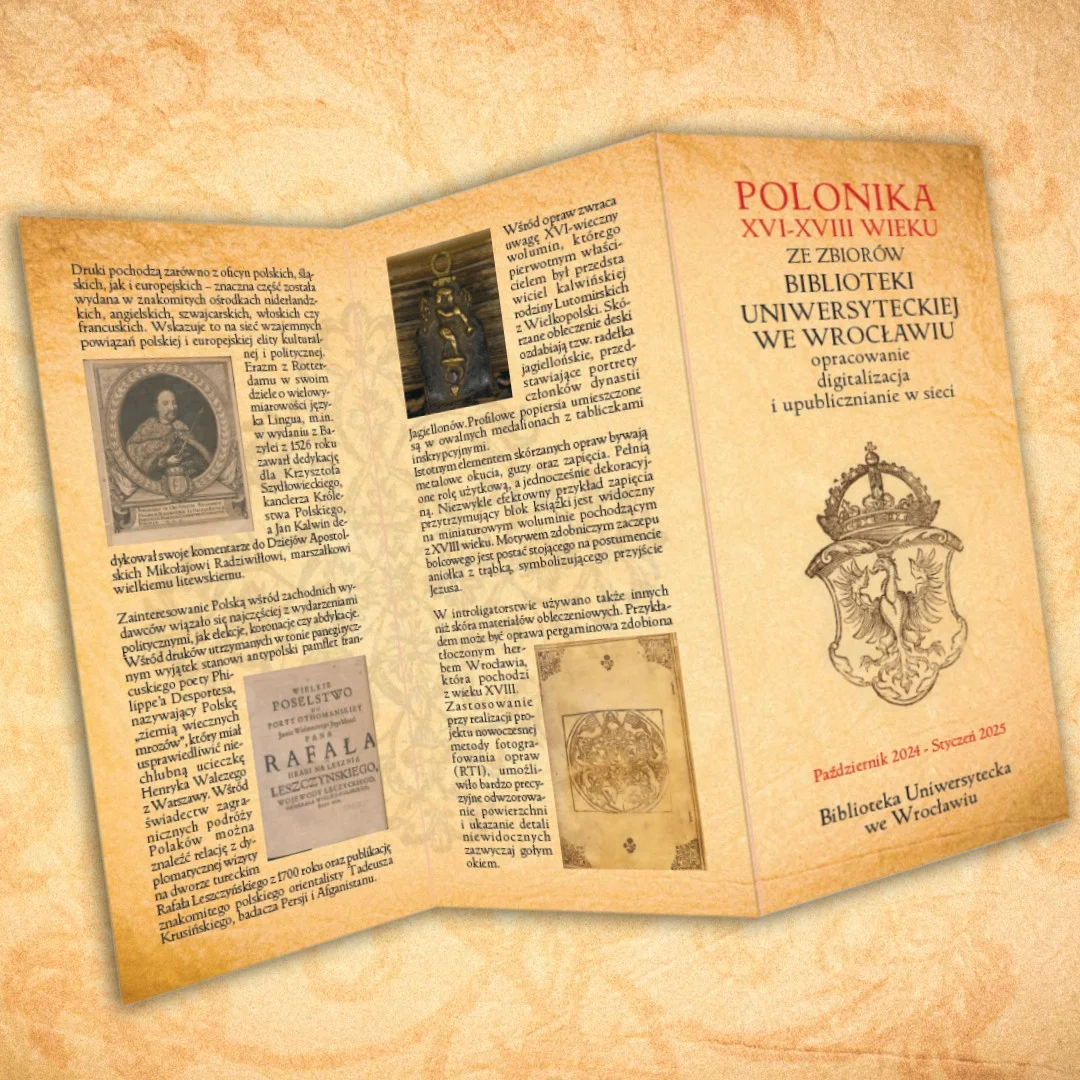
The Library of the University of Wrocław invites you to a unique exhibition, summarizing the implementation of the ministerial project titled “Polonika XVI–XVIII-wieczne ze zbiorów Biblioteki Uniwersyteckiej we Wrocławiu – opracowanie, digitalizacja i upublicznienie w sieci”. (eng. “Polonika of the 16th-18th centuries from the collection of the University Library in Wrocław – processing, digitization and making it public online”).
The January issue of Nature Communications published a paper showing how ribosomes (the translational machinery) change their position during the […]
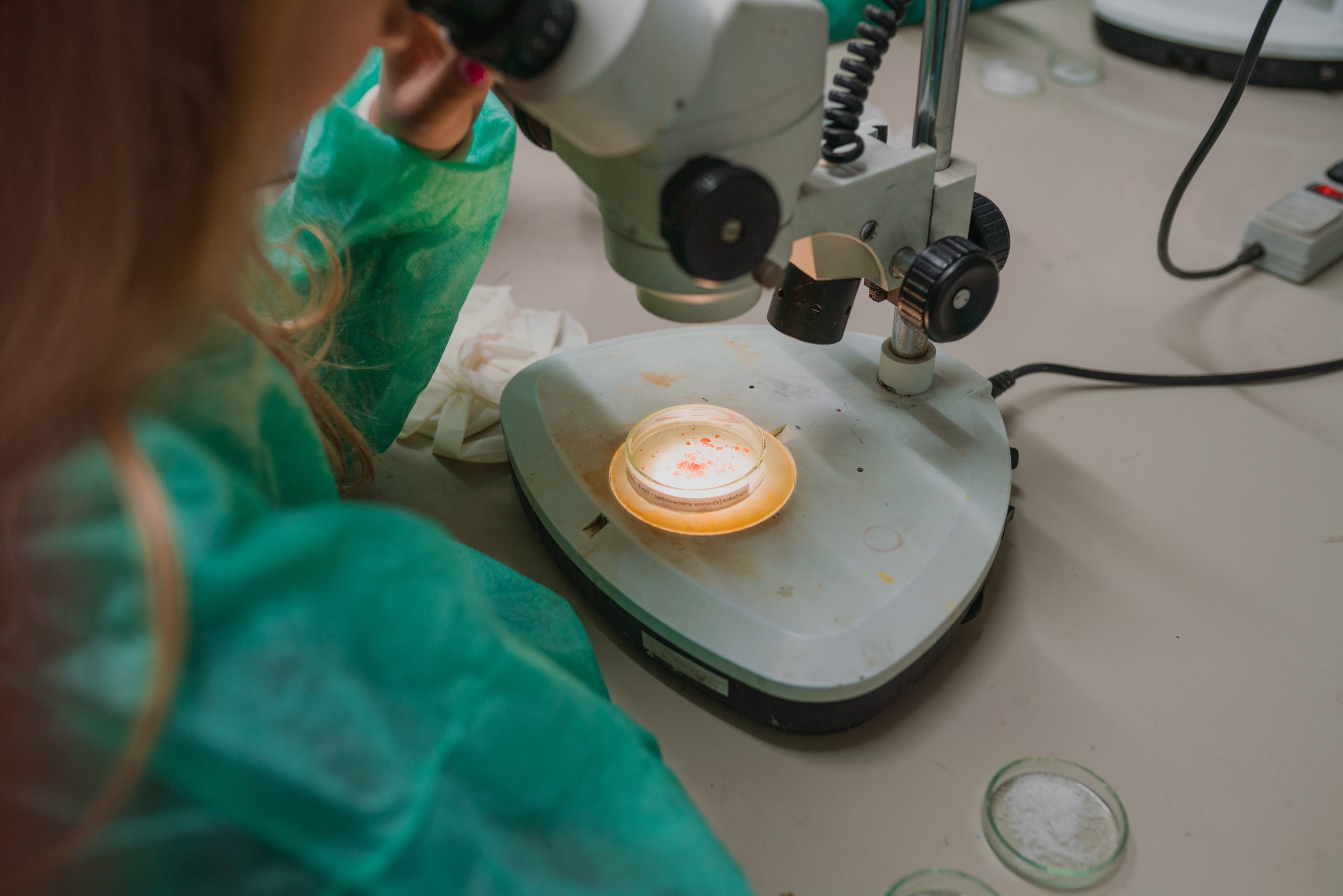
The staff of the Faculty of Biological Sciences invites you to an open lecture by prof. Tomas Pinos Figueras, entitled: “Molecular insights into McArdle’s disease. Similarities and differences with other glycogen storage diseases and current therapeutic strategies.”

Check out the reports on the implementation of the Publishing Fund and the 2024 Conference Travel Grant Fund. Both programmes were funded from funds at the disposal of the Vice- Rector for Research.
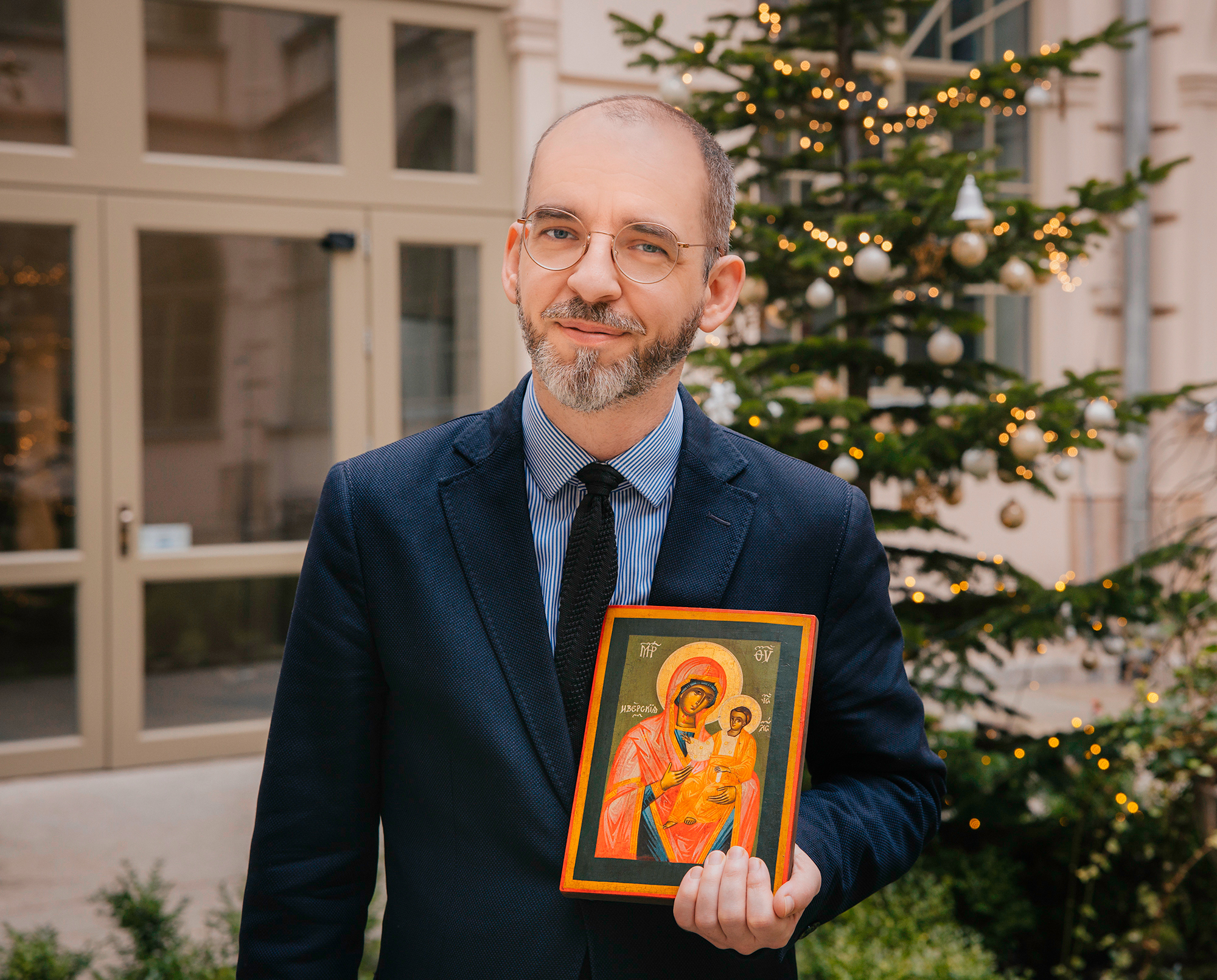
Does a person need a mystery? What is Christmas all about and how do we find its meaning in times of excess? On the occasion of Christmas, we speak with dr Paweł Wróblewski – philosopher of religion, researcher of early Christian culture, who directs the activities of the UWr Institute of Philosophy and Centre for Prognostic Research on Religious Changes.
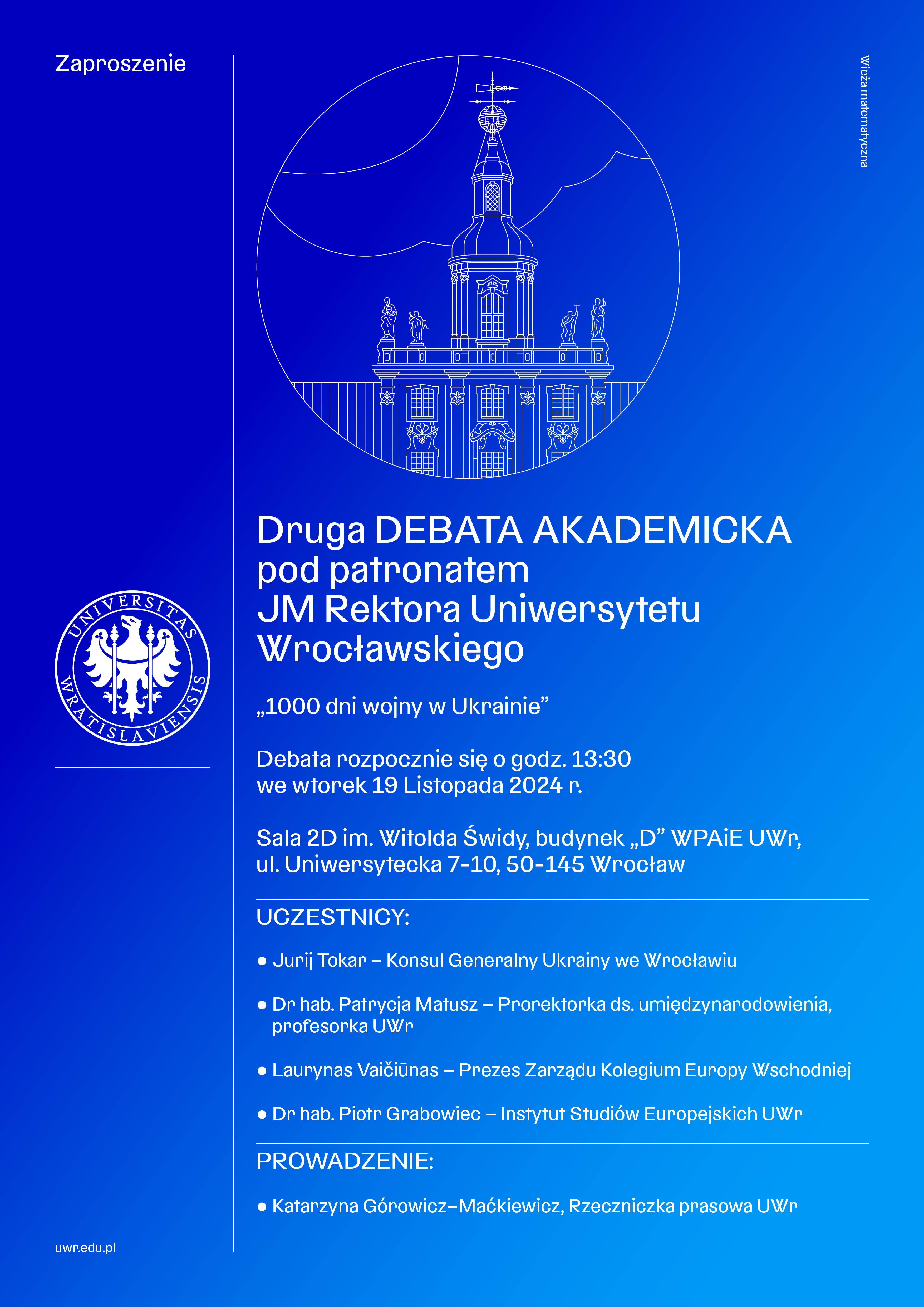
We would like to invite you to the second Academic Debate “1000 Days of War in Ukraine” under the patronage of prof. Robert Olkiewicz, rector of the University of Wrocław.
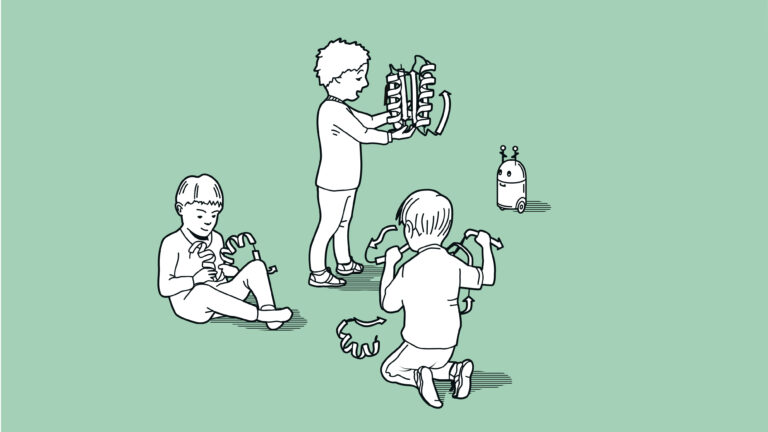
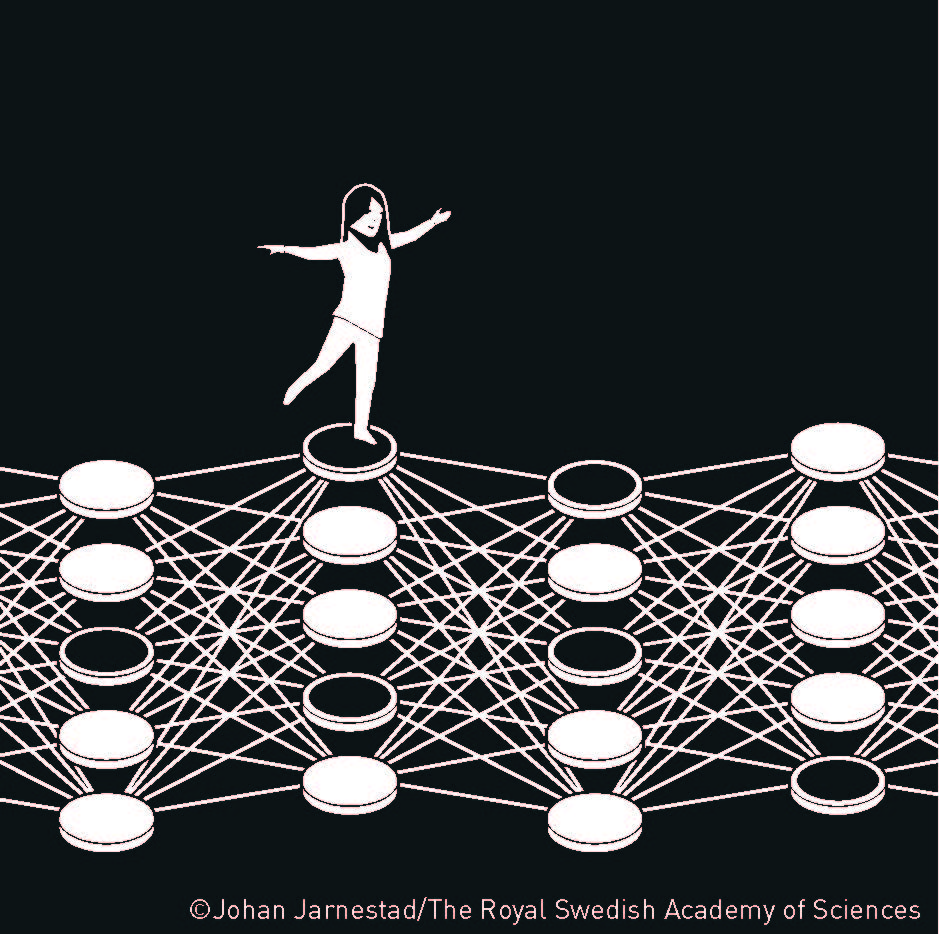
Nagroda Nobla z chemii – komentarz naszego eksperta z Wydziału Biotechnologii UWr. Jakie znaczenie mają odkrycia trzech badaczy Davida Bakera, Demissa Hassabisa oraz Johna M. Jumpera?
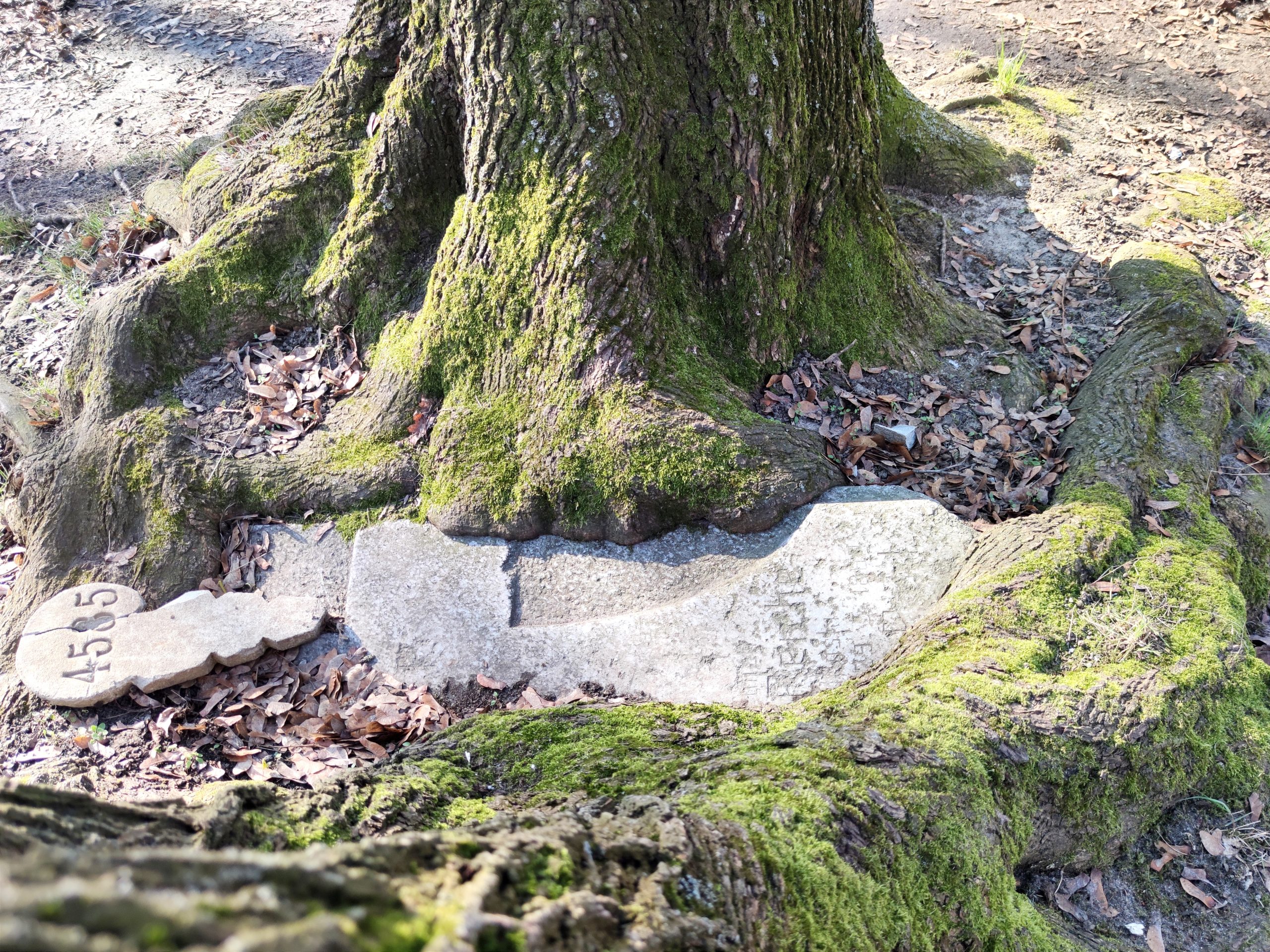
The Breslau botanist and teacher Theodor Schube (1860-1934) was not an office researcher. For 40 years he covered more than 120,000 kilometres by bicycle and on foot. Very successfully. In 1904 he published the monumental ‘Flora von Schlesien preussischen und österreichischen Anteils’ in the distinguished Korn publishing house, and two years later the ‘Book of Silesian Forests’. I walked and cycled (also by bicycle) in his footsteps to see with my own eyes the oldest, thickest and most valuable trees of the region, and above all to describe their significance in culture and collective memory. I call this dendrochronology .
On 8 October, the Committee of the Royal Swedish Academy of Sciences announced the winners of the Nobel Prize in […]