



Key questions on biodiversity
Is Europe experiencing a systematic decline in species diversity? Are all regions and habitats changing in the same way?
The published research in 2025 in the prestigious journal Ecology Letters by an international team led by dr Gabriele Midolo, including dr Grzegorz Swacha from the Plant Ecology Laboratory of the Botanical Garden of the University of Wrocław, shows that the situation is far more complex than headlines about a “biodiversity crisis”. Simplified media coverage often presents species diversity as undergoing a uniform, ongoing decline. Meanwhile, the data show that these changes are highly diverse and depend both on the region and the type of habitat.
Between 1960 and 2020, one of the most surprising findings of the study—the average change in the number of species in European plant communities—was about 2%—in other words, almost zero. At first glance, it may seem that nothing has changed. However, as the saying goes, the devil lies in the details.
When we look at the data more in detail, it turns out that the average masks strong and often opposing processes. As many as 15% of the studied sites lost more than 20% of their species. At the same time, 19% gained more than 20%.
This is a bit like assessing the economic situation solely on the basis of the national average salary. The poorer one part of society becomes and the wealthier another becomes, the more likely it is that the average will remain similar—even though reality becomes increasingly polarised.
How were the changes analysed?
The primary measure of diversity used in the study was the so-called species diversity—the number of species growing in a given vegetation patch (in ecology: alpha diversity). Species diversity is determined on the basis of phytosociological records. Despite what the name might mean, these are not records; but detailed lists of all the plants growing in a defined area, for example, in a meadow patch, a forest, or a wetland.
The best way to study changes is long-term monitoring of the same place and regularly comparing its species community. Such stable research sites exist, but there are too few of them to describe changes across all of Europe. On the other hand, millions of phytosociological records have been collected over the decades, mainly for the classification of vegetation rather than monitoring changes.
The Midolo team decided to make innovative use of traditional phytosociological data. Scientists analysed about 700,000 selected phytosociological records from European databases, originally collected for vegetation classification, and used them in order to create a model showing changes over time.
Isn’t this kind of “reconstructing history from scattered puzzle pieces” just tea-leaf reading? Not necessarily—provided that the results are carefully verified. The model was tested on thousands of real time series—sites where changes had actually been monitored. This made it possible to verify whether the predictions of the algorithm applied to the data of traditional vegetation records actually reflected the observed changes. In other words, the method makes it possible to estimate trends in species richness even in places where long-term measurement series do not exist, by using the temporal autocorrelation of ecological data.
Two phases of change
The results show that changes did not follow a straightforward pattern.
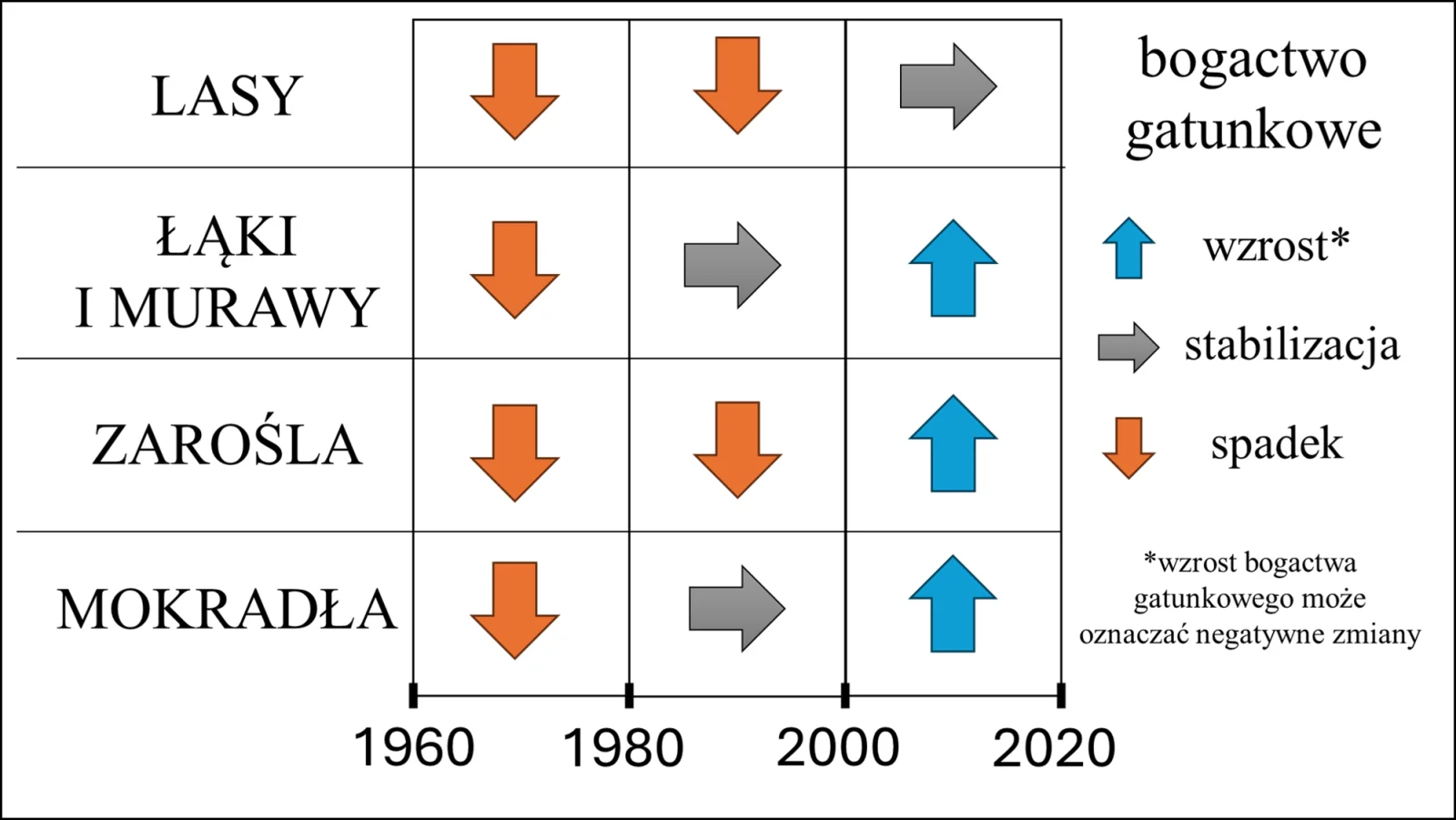
Between 1960 and 1980, it was marked by clear declines in species diversity. Although the study does not point to direct cause-and-effect relationships, the scale of the losses is consistent with well-documented processes that strongly reshaped European landscapes at that time. Agricultural intensification, excessive fertilisation leading to eutrophication, and air and soil contamination have created conditions favourable for a few resilient, rapidly spreading species. As a result, they began to dominate at the expense of plants that are more sensitive to environmental changes. Ecosystems gradually became simpler—“tough” species survived, specialists disappeared, yet it is precisely these more vulnerable species that are responsible for biodiversity.
Only after 2000 did signs of an increase in the number of species begin to appear in many regions. It may partly be due to reduced emissions of pollutants and improvements in nature conservation policy in the European Union. However, a higher number of species does not always indicate a better condition of the ecosystem. An increase in species diversity may result from the migration of thermophilous and non-native species that, due to climate change, are moving their range northwards and to higher mountain areas. In such cases, the number of species increases, but at the same time the unique, specialised composition of local flora and plant communities may be lost.
Different habitats and biogeographical regions – different patterns
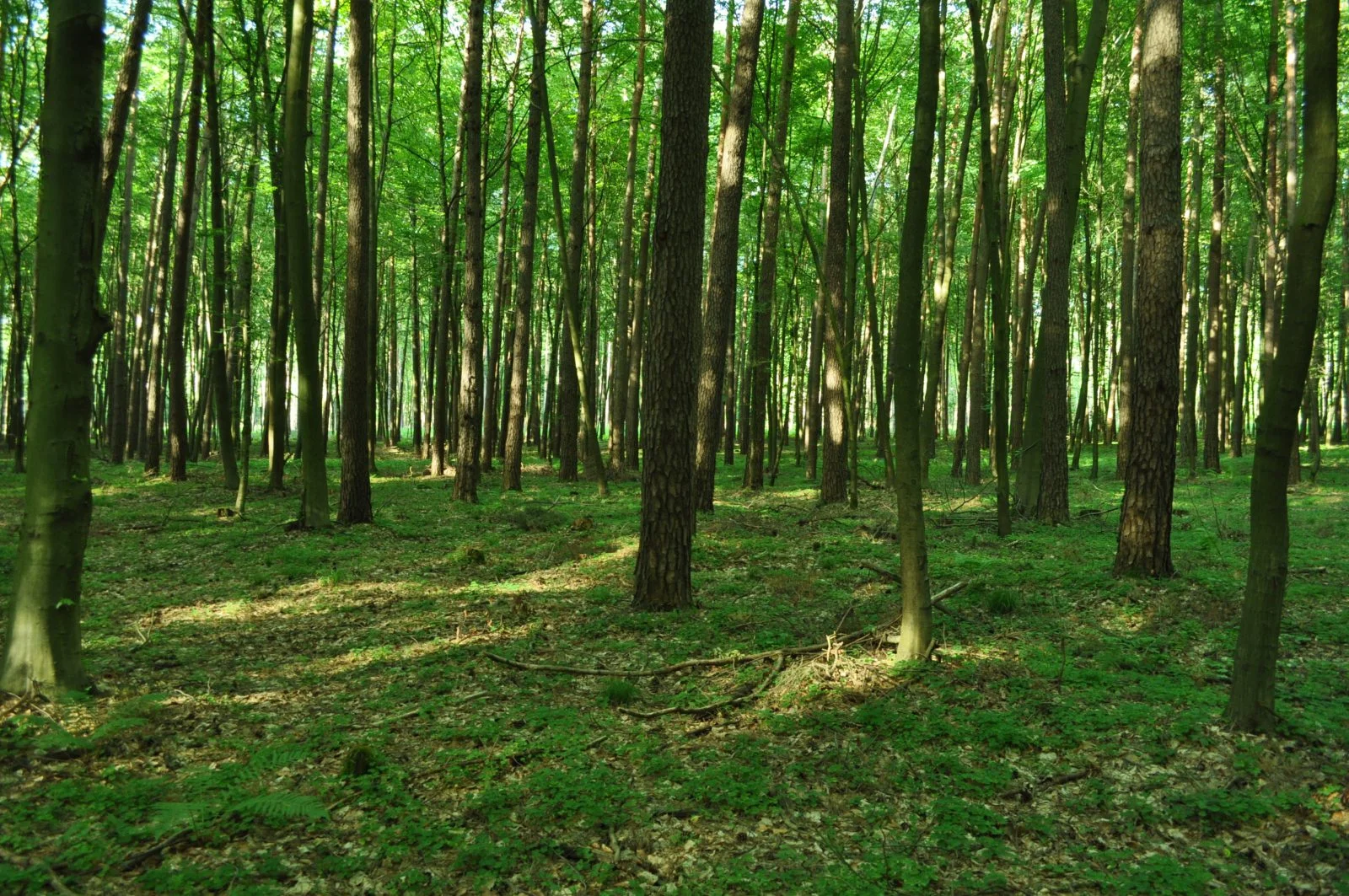
The most worrying trends were observed in forests. On average, forests lost about 6% of their species, as many as 25% of the sites lost more than 20% of their species. Forests in the Atlantic regions (between 1960 and 1980) and in the Mediterranean regions (after 1990) were the most affected.
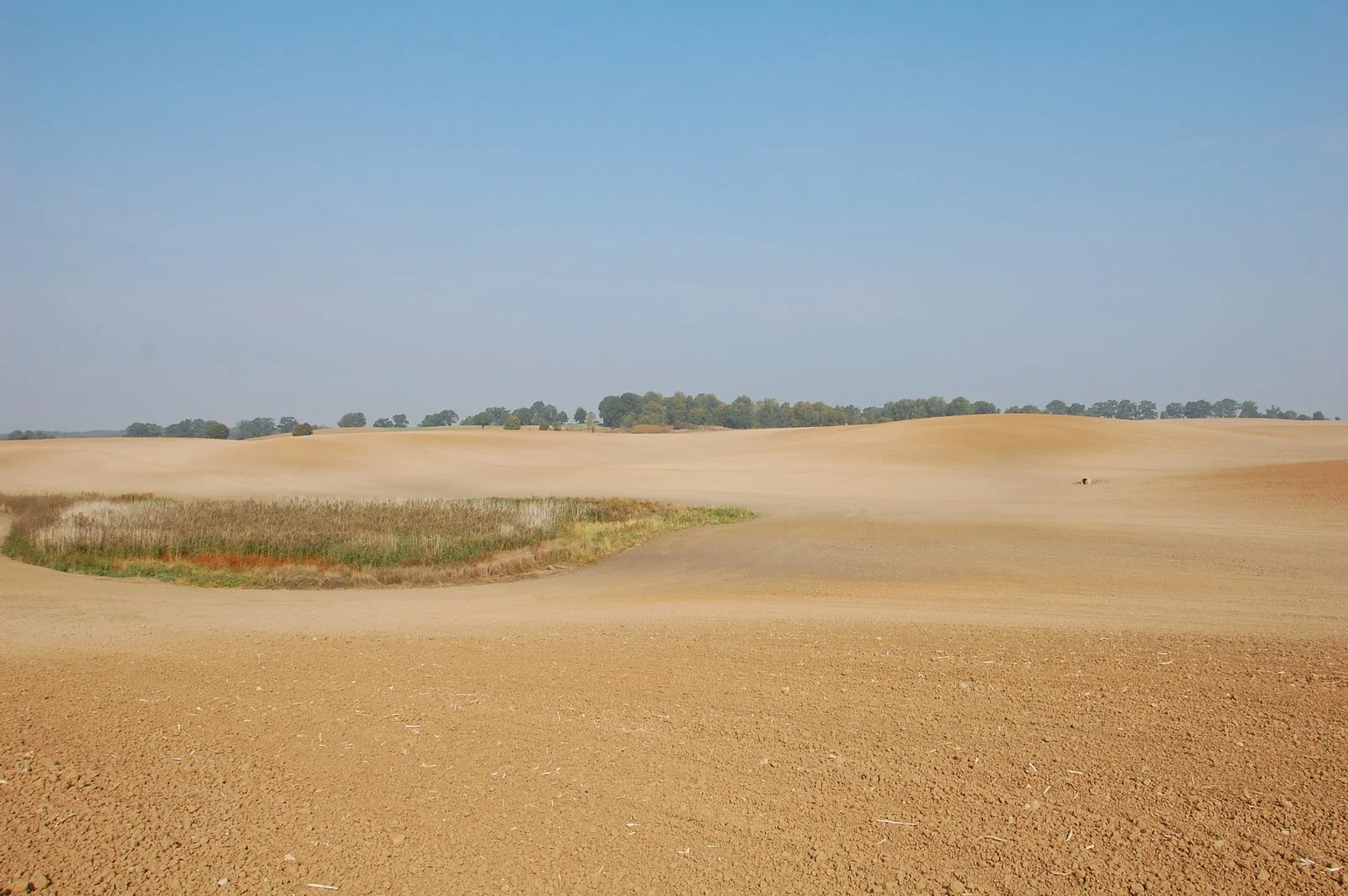
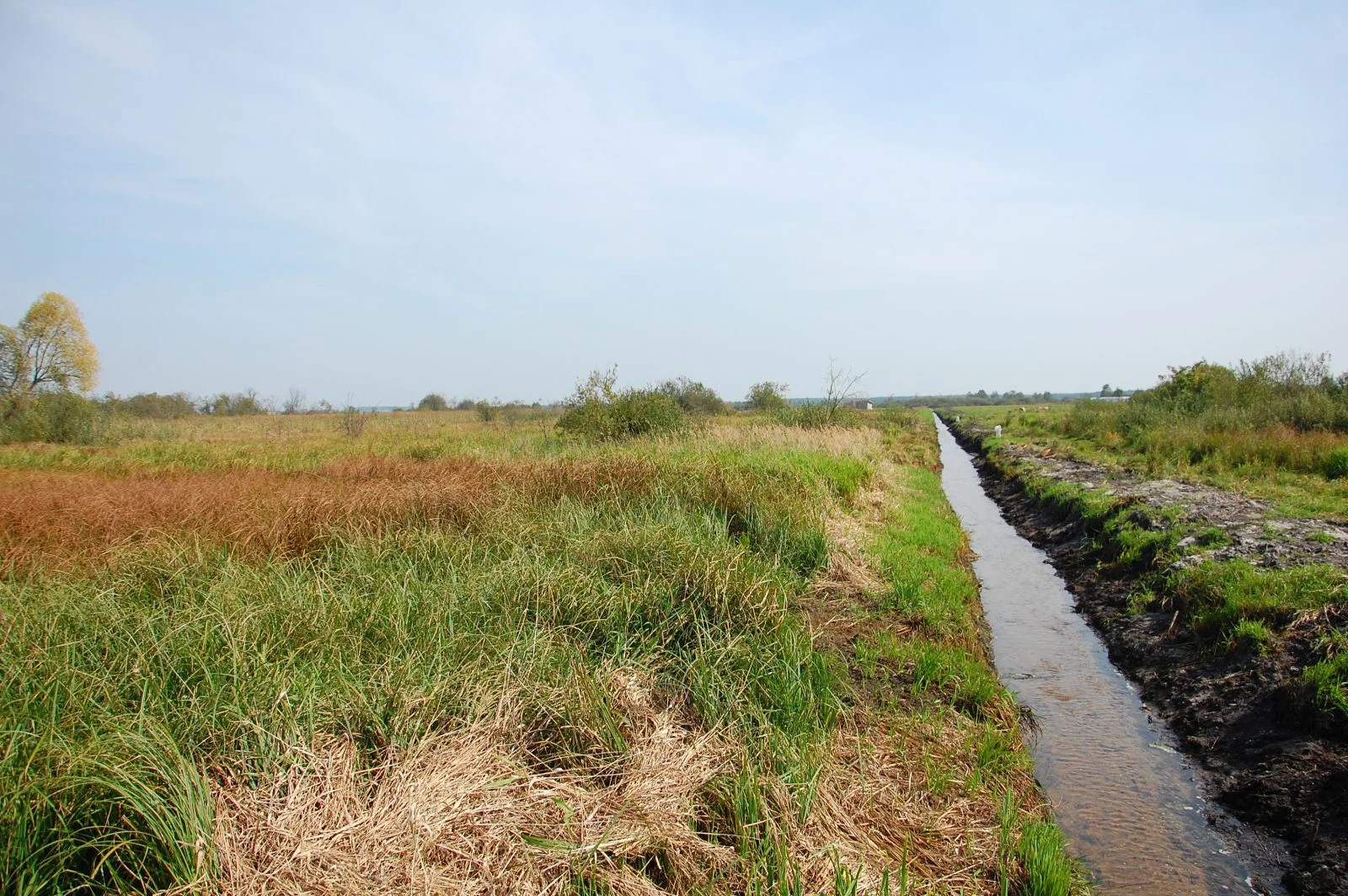
In the case of wetlands, the results are the most strongly сontraversial: 18% of the sites recorded strong declines, while 25% showed clear increases. A clear geographical divide is also visible: northern Europe more often shows increases (partly as a result of climate warming), while central and southern Europe more often show declines—mainly due to agricultural pressure and wetland drainage.
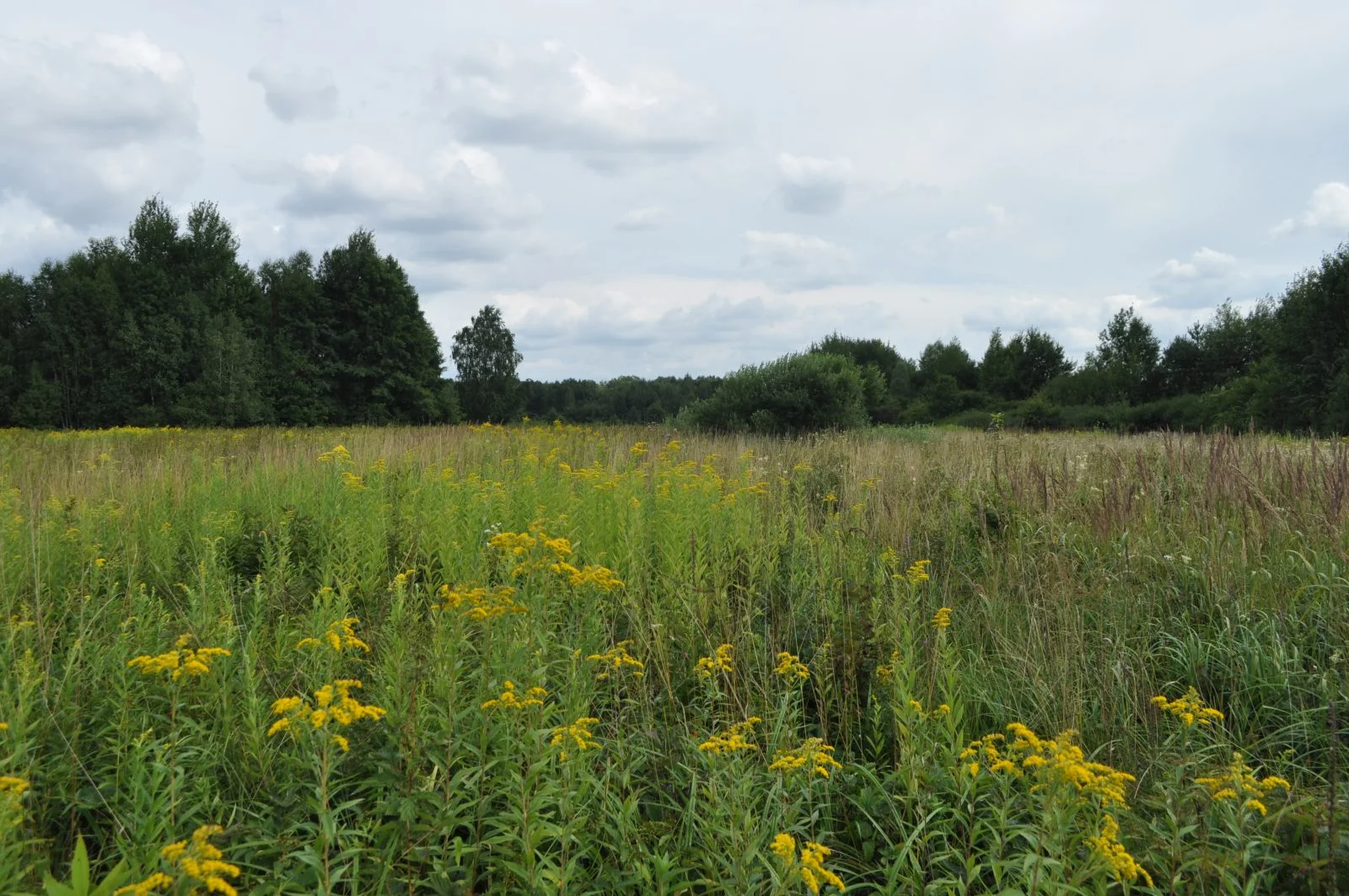
Grasslands and meadows show highly varied patterns of change. In some places, agricultural intensification or the abandonment of traditional land use leads to a decline in species diversity. The continuation or restoration of traditional land use promotes species diversity in these ecosystems. The trend depends on local and highly diverse land-use practices and histories. The strongest decline was observed in Europe’s steppe regions. The negative trend continued for three decades, beginning in the 1960s.
Key findings
- Averaged data may hide local crises—and local increases that are not always beneficial. However, a higher number of species does not always indicate a better condition of the natural environment.
- Protection of nature must be adapted to specific regions and habitat types.
The key question is not just: how many species are we gaining or losing? What matters is which species are disappearing and which are replacing them—and what this means for ecosystem functioning.
This study would not have been possible without the long-term efforts of hundreds of botanists who documented vegetation across different European countries over several decades. This is an example of 21st-century science: combining vast data archives with modern analytical methods.
* Species diversity – the number of species occurring in a given area. It is one of the basic components of biodiversity, which also includes genetic diversity and the diversity of ecosystems.
To make the results easier to explore, Gabriele Midolo created and shared an interactive web application that allows users to explore changes in species diversity of vegetation across Europe since the 1960s. of the 20th century. The tool makes it possible to explore biodiversity trends in different biogeographical regions and habitat types, such as forests, grasslands, shrublands, and wetlands. The application is available on the website.
Translated by Oleksandra Humeniuk (student of English Studies at the University of Wrocław) as part of the translation practice.
Added by: E.K.
Date of publication: 18.03.2026


