



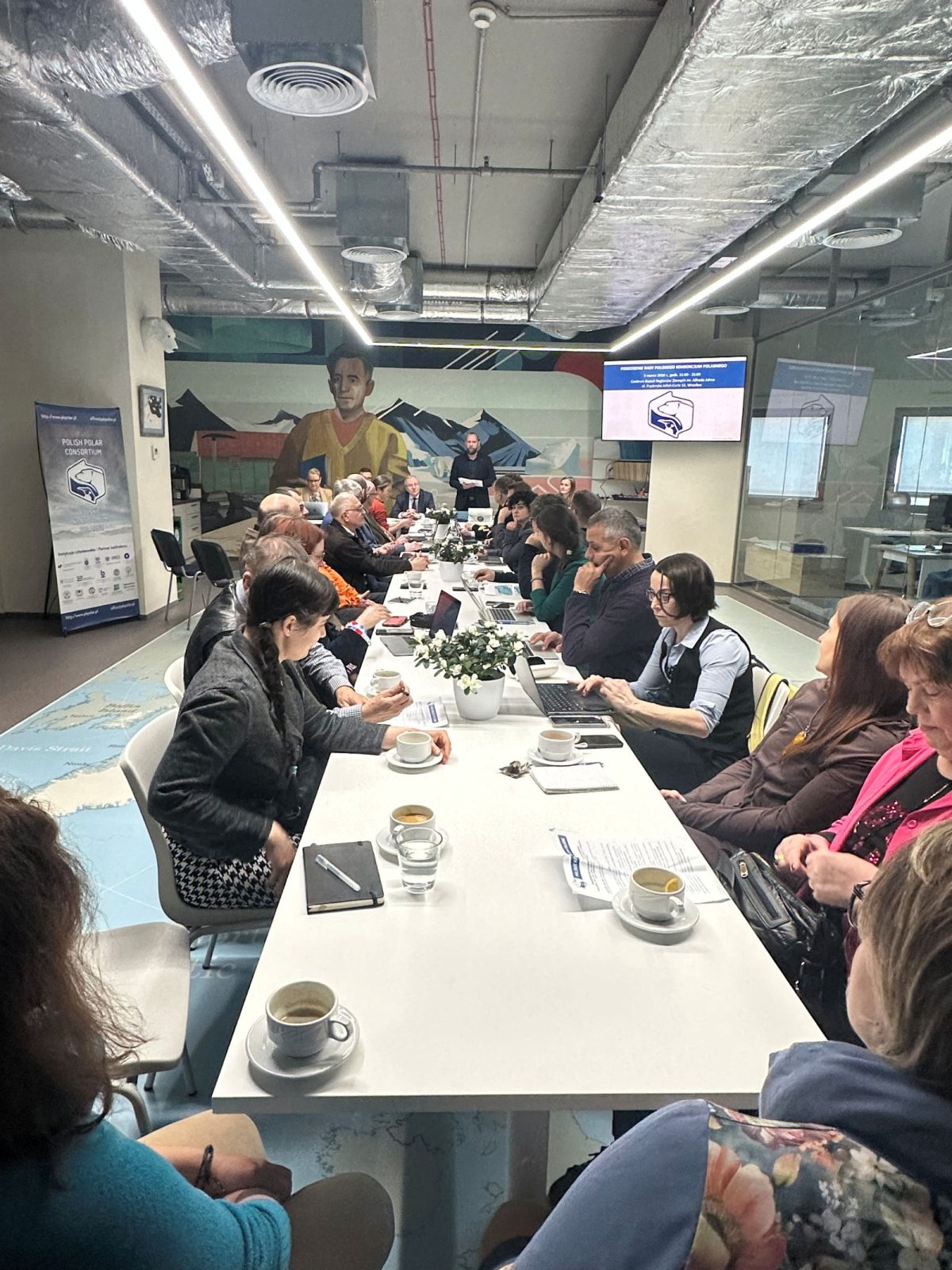
Polar Researchers from across the country meet at the University of Wrocław
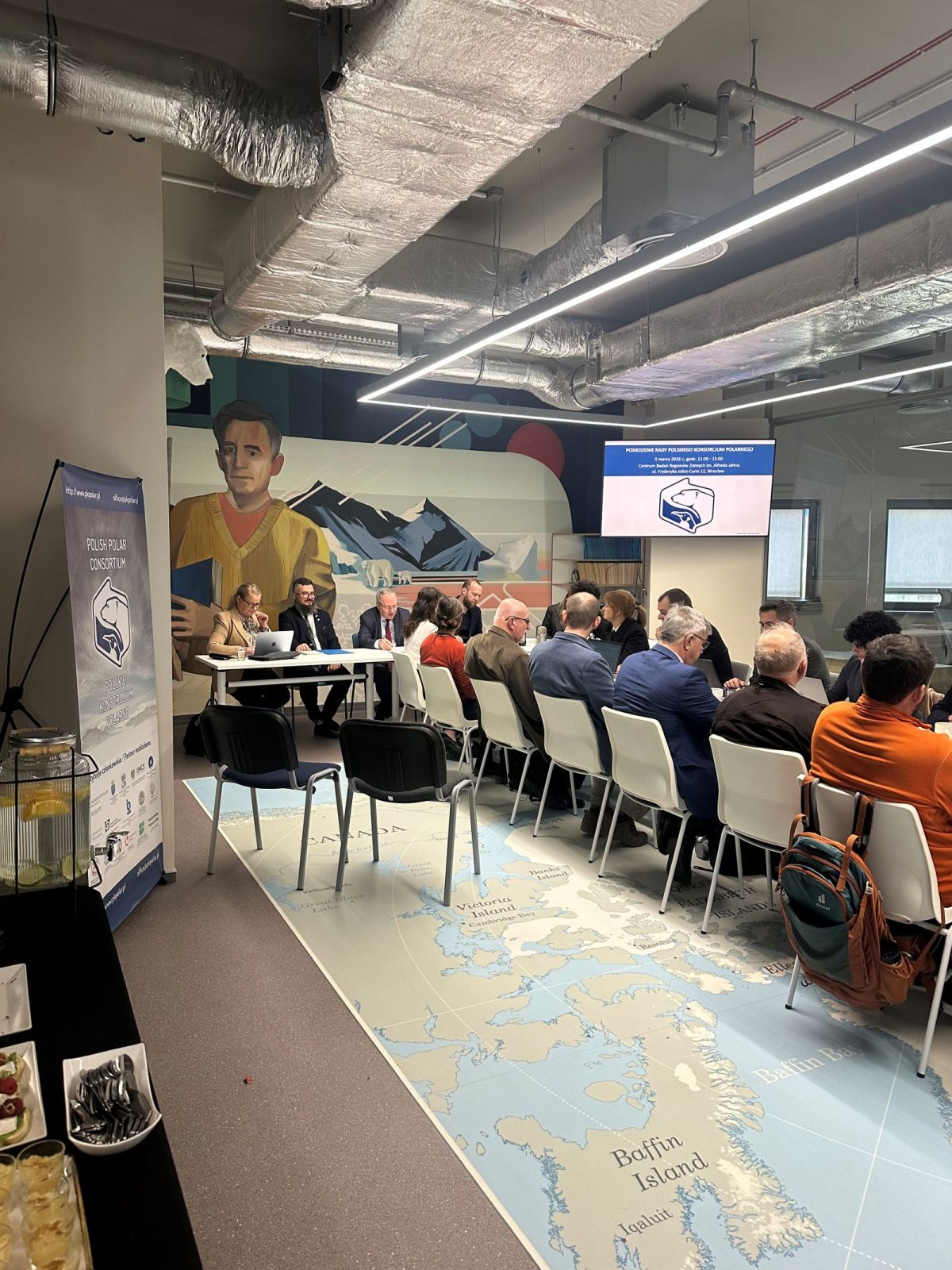
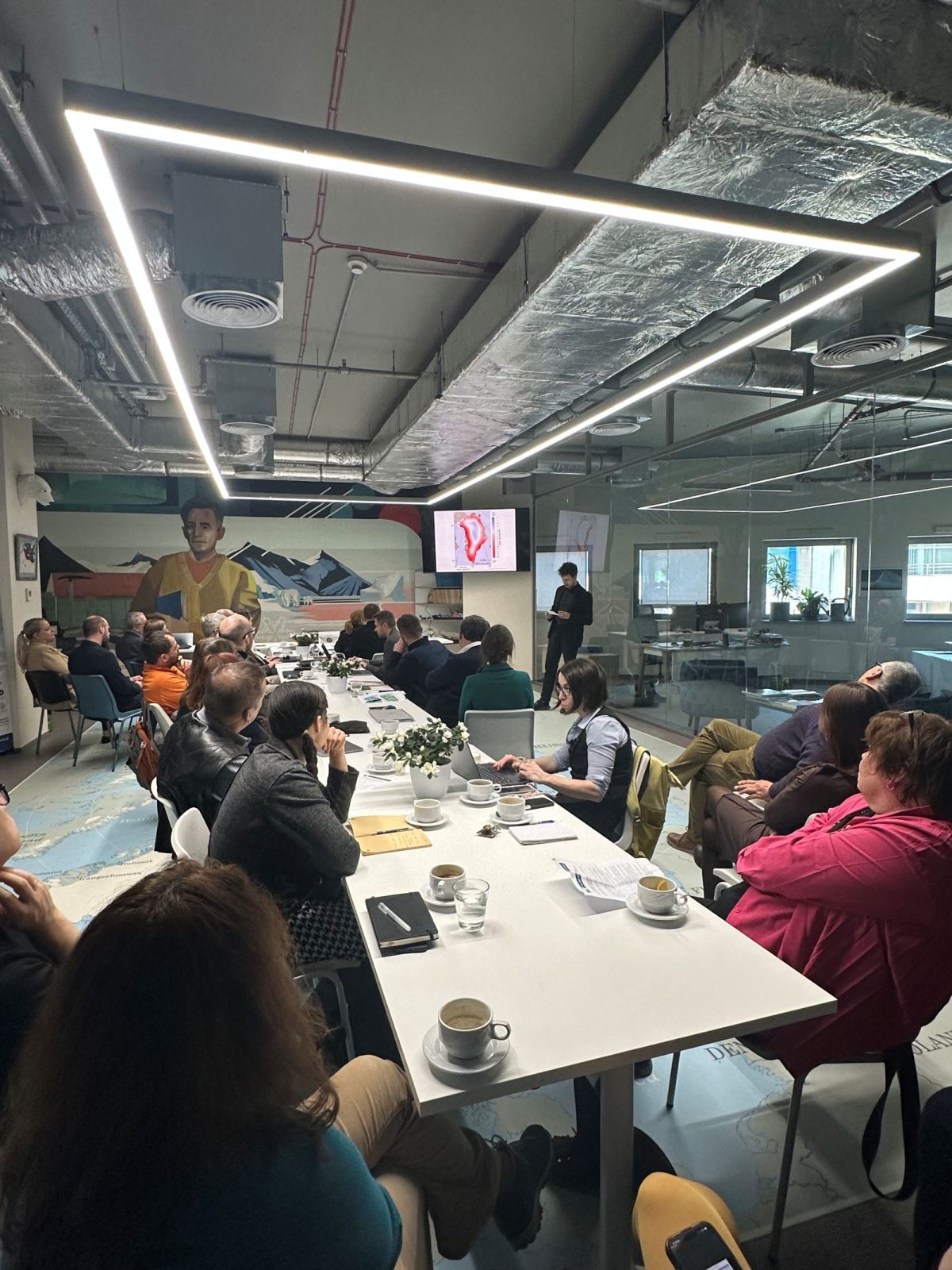
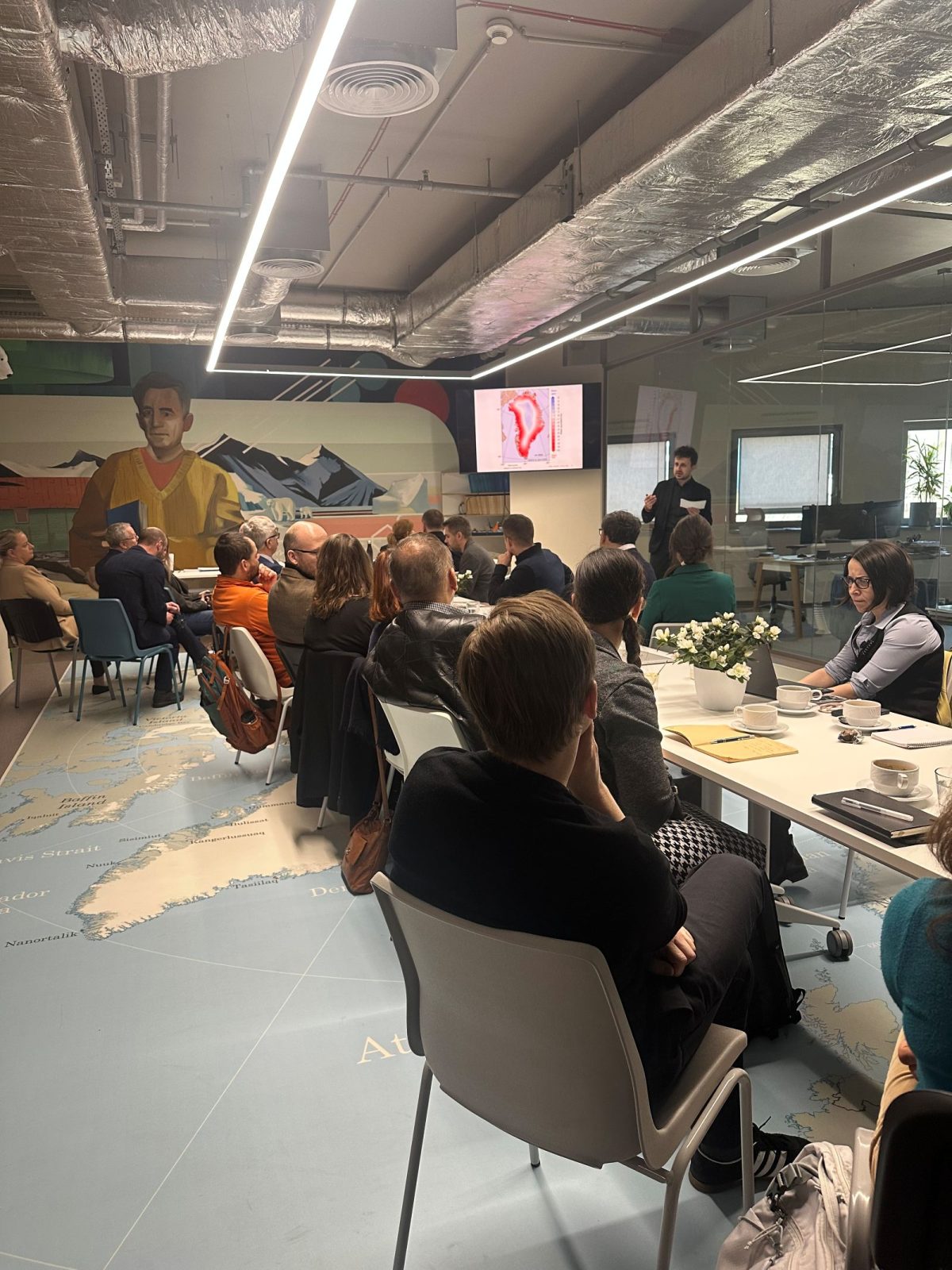
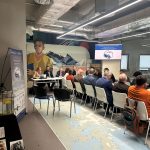
On March 5, 2026, representatives of the Polish Polar Consortium (Polskie Konsorcjum Polarne, PKPol), an association of scientific institutions involved in polar research, met at the Alfred John Centre for Cold Regions Research at the University of Wrocław.
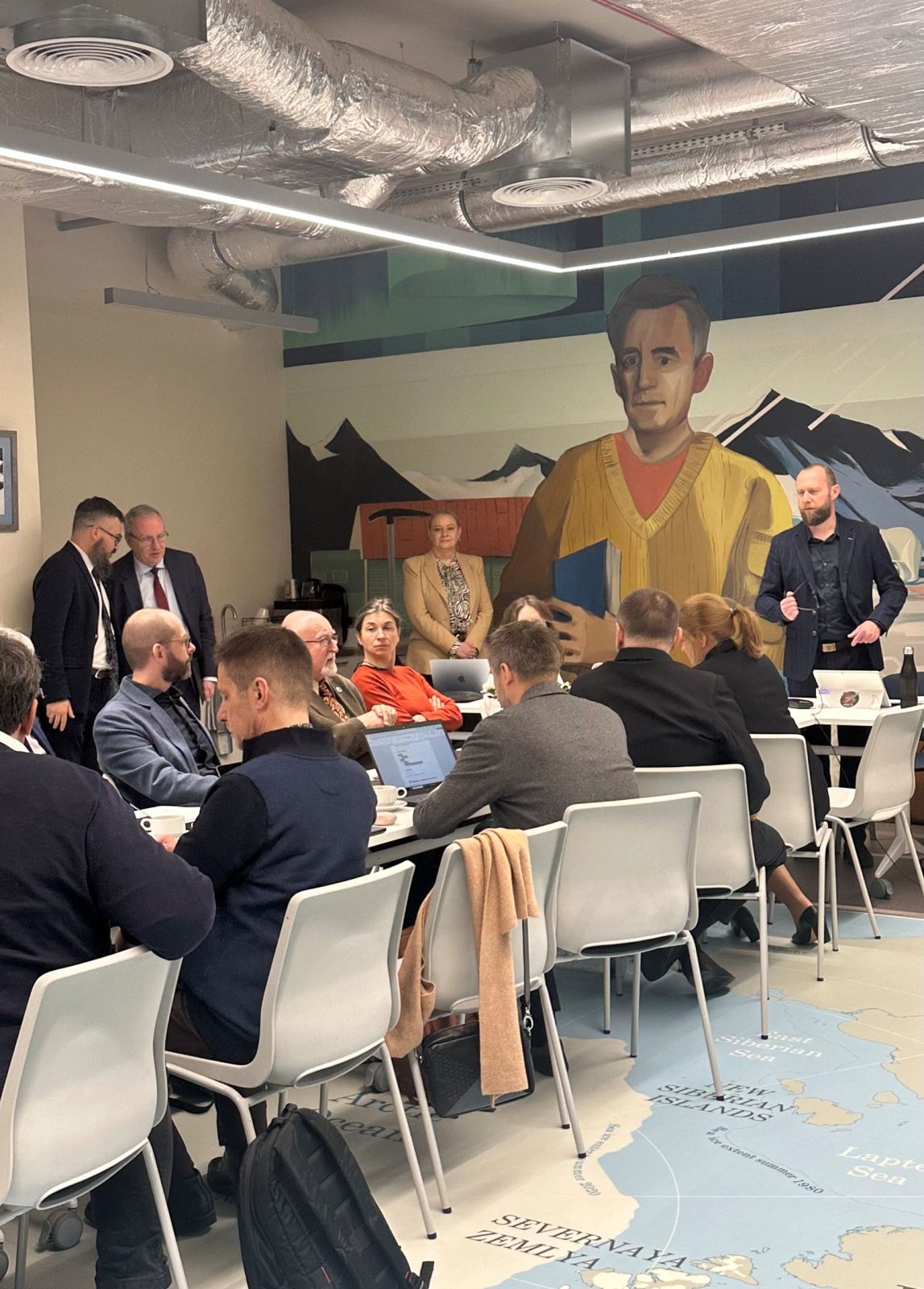
The guests were welcomed by the Rector of UWr, prof. Robert Olkiewicz, and the conference was opened by the Chairman of the Consortium, dr Dariusz Ignatiuk (University of Silesia). Rector Olkiewicz emphasized the importance of the meeting, stating: „You face a challenge of the highest order. Intensive preparations are beginning for Poland’s participation in the 5th International Polar Year (2032-2033). This is a time for the Polish polar community to demonstrate unity and the highest level of professionalism.”
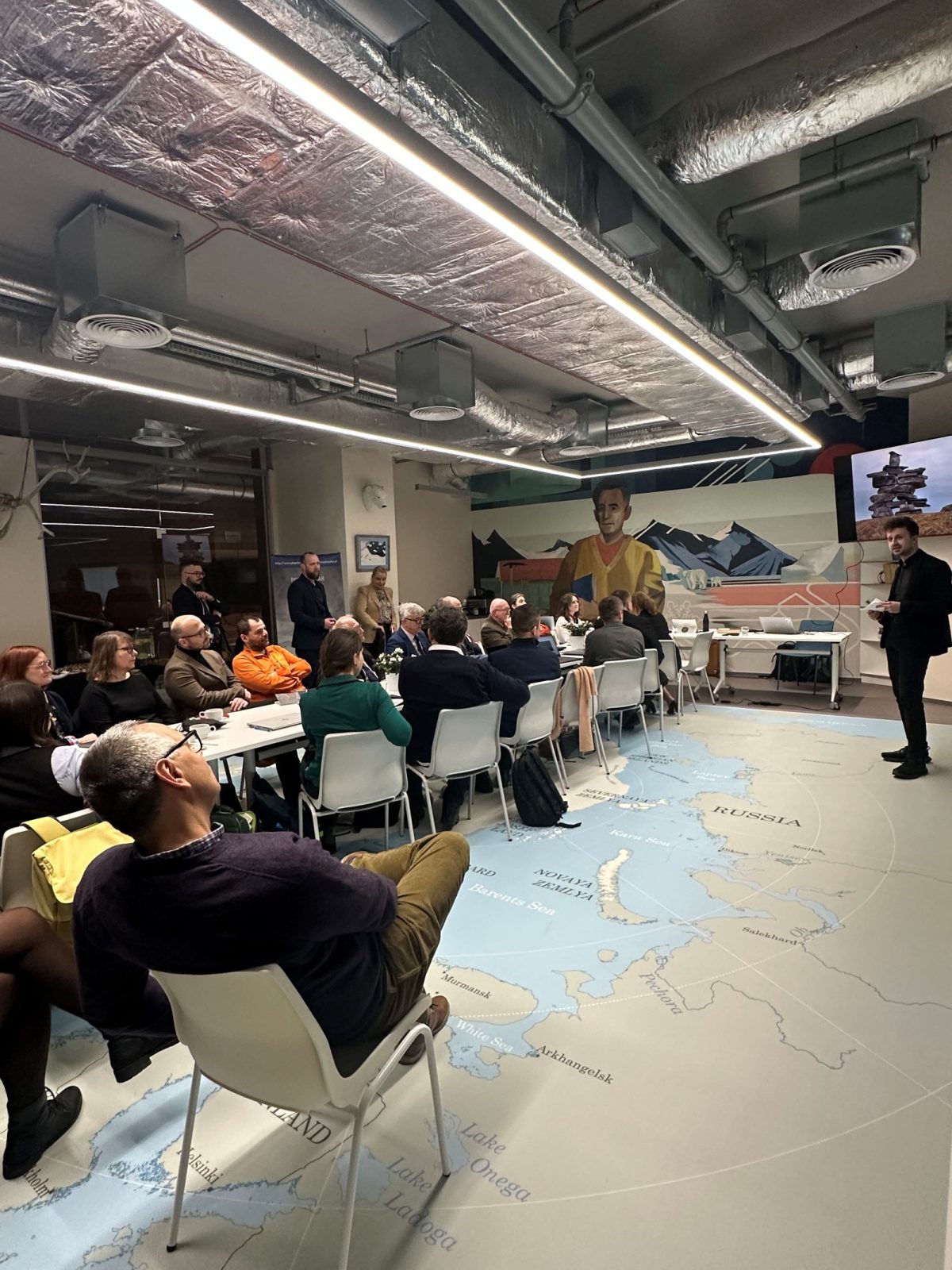
The programme opened with a lecture by dr Wojciech Szczerbowicz from the Institute of International Studies and Security (UWr) on the geopolitical landscape of Greenland. Next, beside presenting a review of current organizational matters and initiatives, the Council turned its attention to Poland’s strategic involvement in the 5th International Polar Year (2032-2033) – a landmark, globally coordinated scientific endeavor dedicated to the study of the Arctic and Antarctic.
Prof. Mateus Strzelecki, Head of the Alfred Jahn Centre for Cold Regions Research, discussed the progress and future prospects of research cooperation in Greenland. Summarizing the meeting, prof. Strzelecki noted: “The deliberations of the Polish Polar Consortium at the University of Wrocław have shown that the Arctic and Antarctic research community is facing its greatest challenge in generations. We are operating in the shadow of deep economic and geopolitical crises that hit polar regions with particular intensity. At the same time, we are entering an era of major anniversaries and modernization that will ultimately define our global standing.”
“2027 is set to be a milestone year, marking:
The 70th anniversary of the Polish Polar Station Hornsund on Spitsbergen;
The 50th anniversary of the Henryk Arctowski Polish Antarctic Station;
The 90th anniversary of the first Polish expedition to Greenland.
“These are not just dates; they are a testament to our continuous and robust presence in regions critical to the global climate and international security,” emphasizes prof. Strzelecki. “Our response to today’s global uncertainty is a strategic development offensive: the construction of a new Arctowski Station and a state-of-the-art Polar research vessel. These investments are the foundation upon which we are building an ambitious Polish programme for the 5th International Polar Year (IPY 5, 2032-2033).”
Key takeaways from the meeting
Despite the challenging global climate, the Polish polar community is more united than ever. “Our goal is for Poland not only to participate in international research but – leveraging our new infrastructure and the PKPol partnership – to become a leading voice in shaping the protection and scientific understanding of polar regions over the coming decade. I am proud that this unified call for action and motivation emerged in Wrocław,” concludes prof. Mateusz Strzelecki.
The Polish Polar Consortium comprises experts from nearly twenty Polish Universities, research institutes, and organizations, including:
The University of Silesia in Katowice, Jagiellonian University, Adam Mickiewicz University in Poznań, Maria Curie-Skłodowska University, Nicolaus Copernicus University in Toruń, the University of Wrocław, the Institute of Geophysics (PAS), the Institute of Oceanology (PAS), Gdynia Maritime University, the Polish Geological Institute – National Research Institute, Gdańsk University of Technology, the University of Łódź, the Institute of Biochemistry and Biophysics (PAS), Warsaw University of Technology, the Institute of Paleobiology (PAS), Kazimierz Wielki University in Bydgoszcz, the University of Gdańsk, the forScience Foundation, and the AGH University of Krakow.
List of Attendees
University of Silesia in Katowice: prof. dr hab. Jacek Jania, dr Dariusz Ignatiuk
Jagiellonian University: prof. dr hab. Wiesław Ziaja, dr hab. Wojciech Szymański, prof. UJ
Adam Mickiewicz University: dr hab. Krzysztof Zawierucha, prof. UAM, dr Krzysztof Rymer
Maria Curie-Skłodowska University: dr Monika Szkarłat, prof. dr hab. Wojciech Zgłobicki
Nicolaus Copernicus University: prof. dr hab. Rajmund Przybylak, dr hab. Ireneusz Sobota, prof. UMK
University of Wrocław: dr hab. Marek Kasprzak, prof. dr hab. Mateusz Strzelecki
Institute of Geophysics, Polish Academy of Sciences: dr hab. Mateusz Moskalik, dr Marcin Budzyński
Institute of Oceanology, Polish Academy of Sciences: prof. dr hab. Maria Włodarska-Kowalczuk, dr Agnieszka Beszczyńska-Möller
Gdynia Maritime University: prof. dr hab. inż. kpt.ż.w. Adam Weintrit, dr hab. inż. kpt.ż.w. Tadeusz Pastusiak, prof. UMG
Polish Geological Institute – National Research Institute: prof. dr hab. Jerzy Nawrocki
Gdańsk University of Technology: prof. dr hab. inż. Żaneta Polkowska, dr hab. Katarzyna Jankowska
University of Łódź: prof. dr hab. Jacek Siciński, dr hab. Krzysztof Pabis, prof. UŁ
Institute of Biochemistry and Biophysics, Polish Academy of Sciences: mgr Agnieszka Kruszewska, dr hab. Robert Bialik, prof. PAN
Warsaw University of Technology: dr inż. Dominik Próchniewicz, mgr inż. Kinga Węzka
Institute of Paleobiology, Polish Academy of Sciences: prof. dr hab. Wojciech Majewski, dr hab. Błażej Błażejowski
Kazimierz Wielki University in Bydgoszcz: dr Krystyna Kozioł, dr hab. Danuta Szumińska
University of Gdańsk: dr hab. Agata Weydmann-Zwolicka, prof. dr hab. Katarzyna Wojczulanis-Jakubas
Foundation for Science: dr Adam Nawrot, mgr Barbara Jóźwiak
AGH University of Krakow: prof. dr inż. Jarosław Majka, dr inż. Kamila Kośmińska
Translated by Hanna Jordanek (student of English Studies at the University of Wrocław) as part of the translation practice.
Photo: Katarzyna Górowicz-Maćkiewicz


Edit. kg
Publication date: March 6, 2026
Published by: M.J.


