



Seminar on National Security
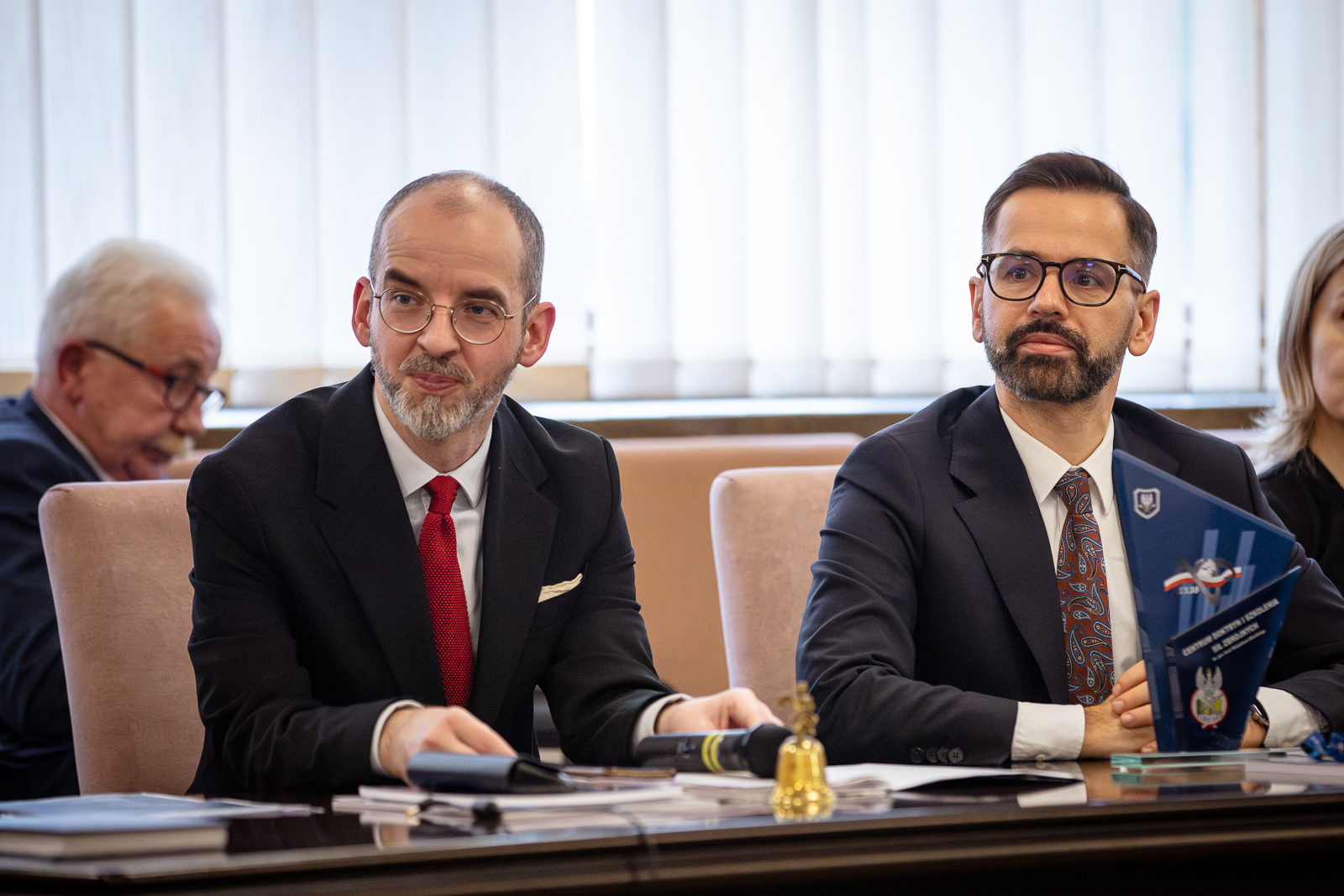
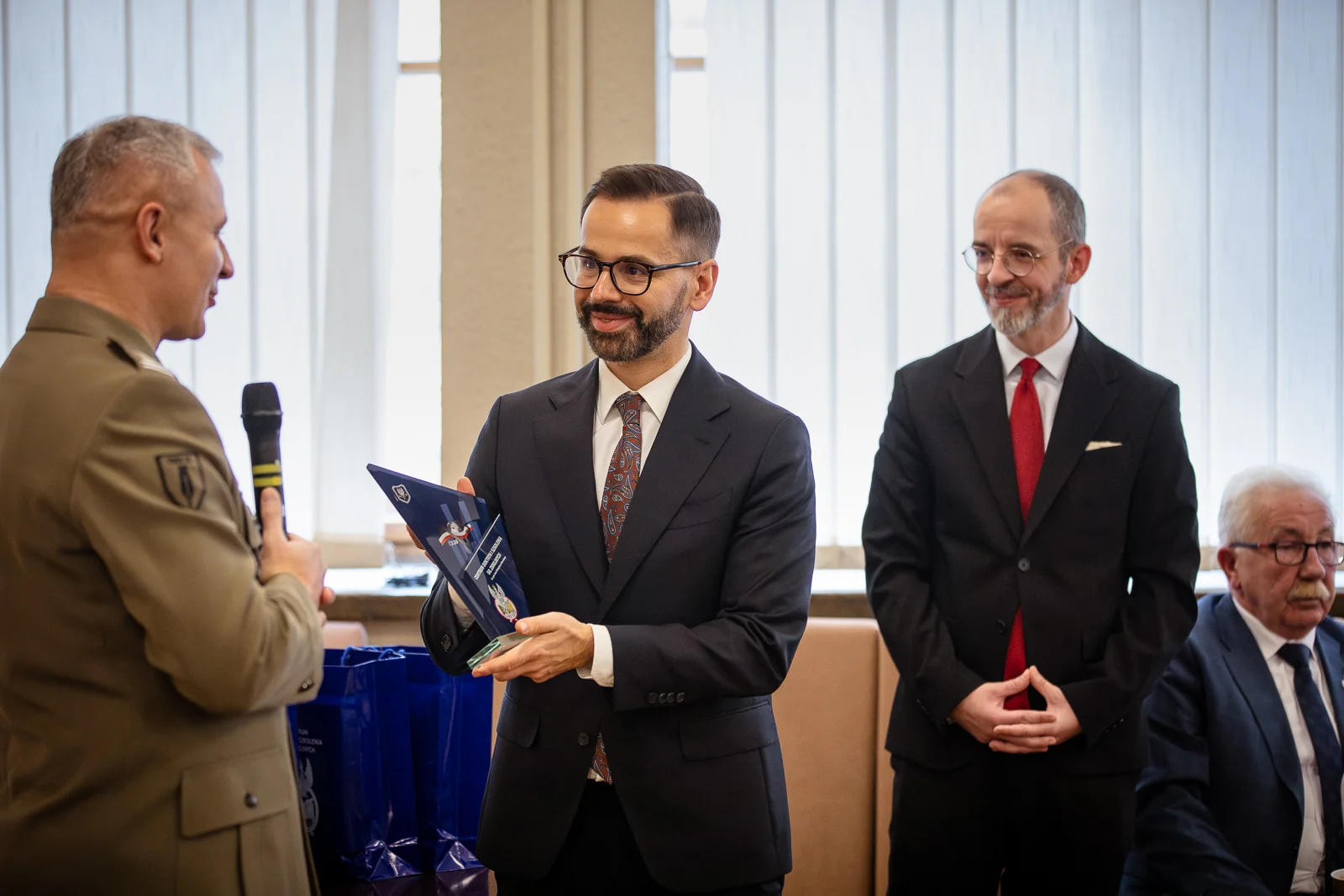
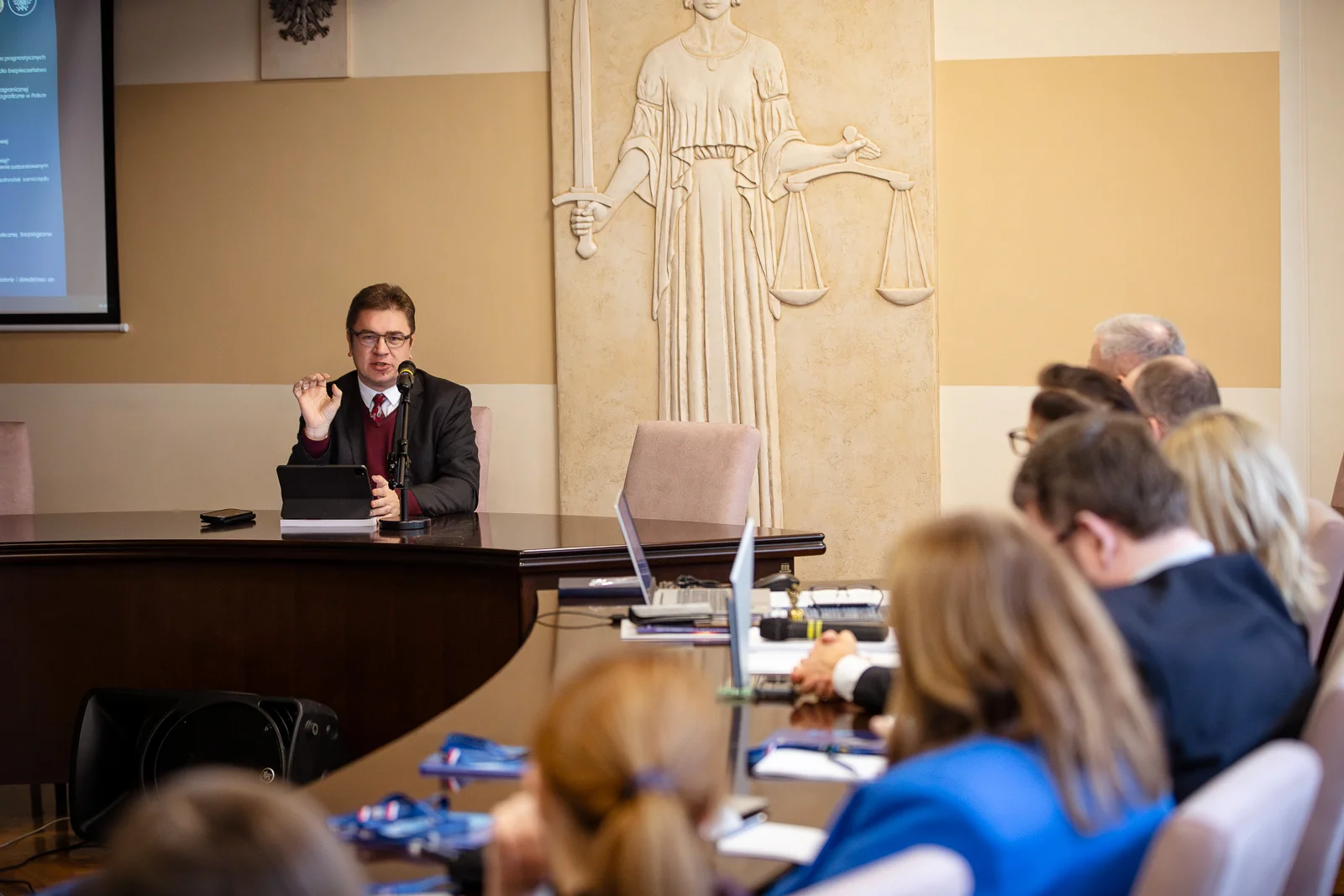
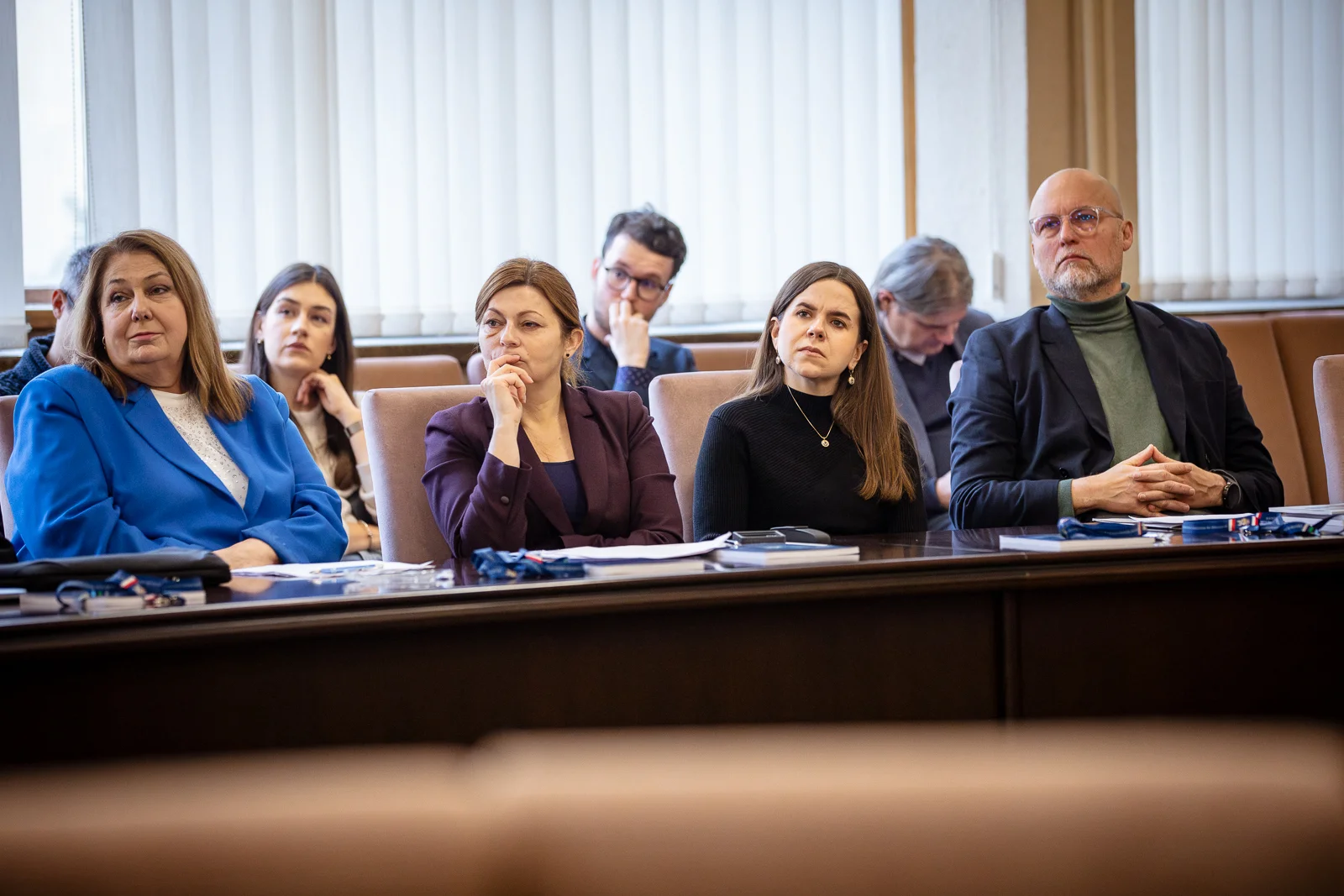
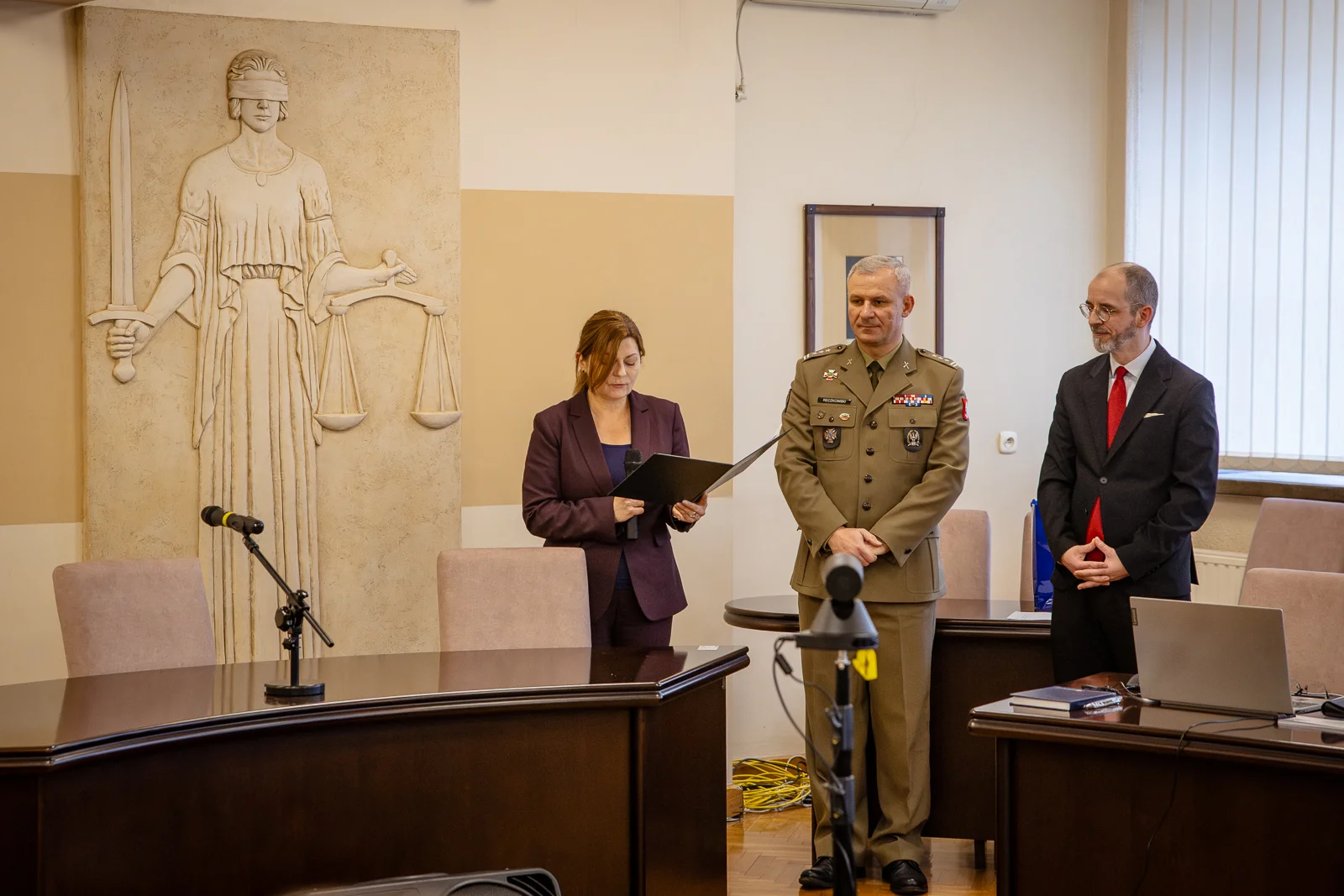
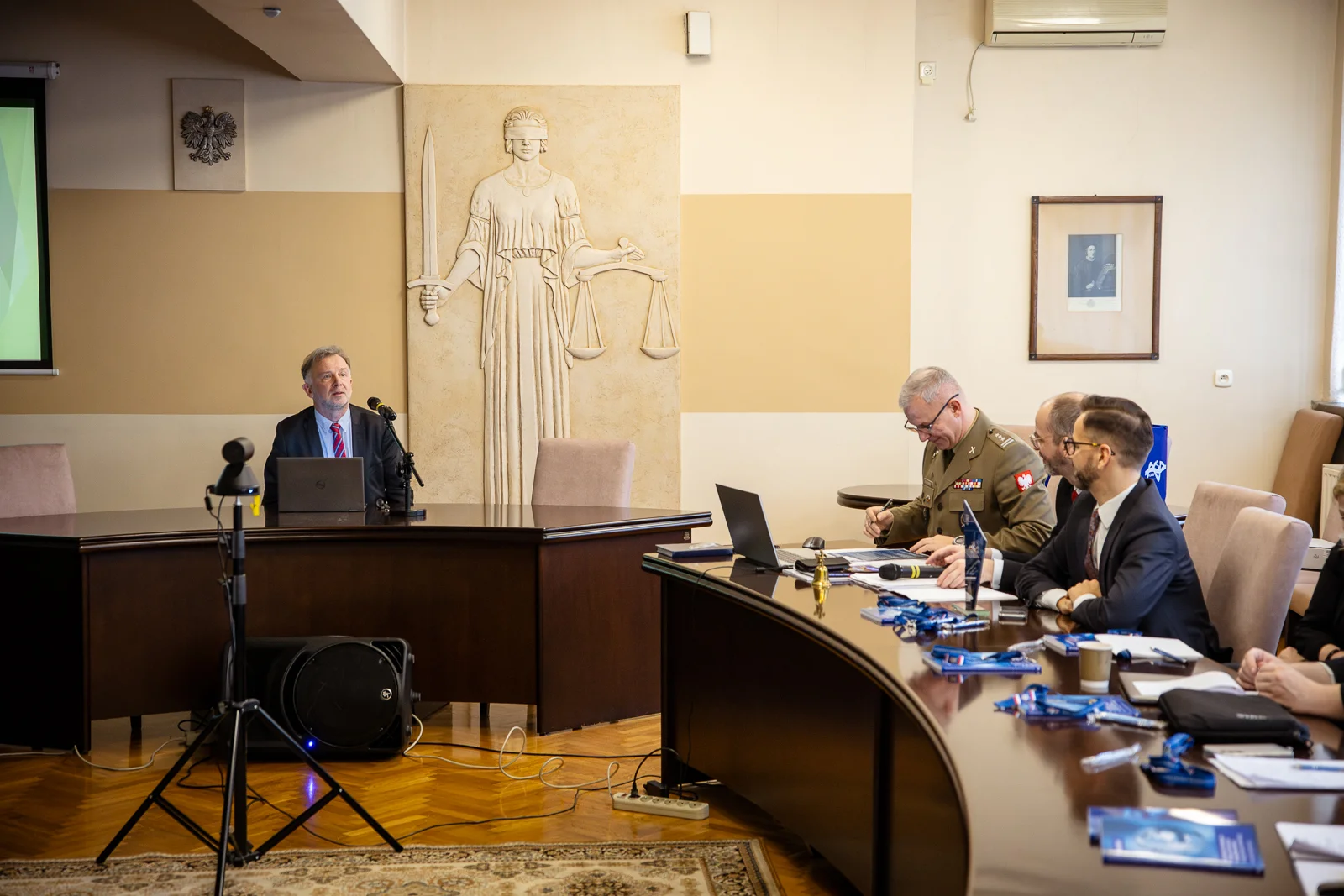
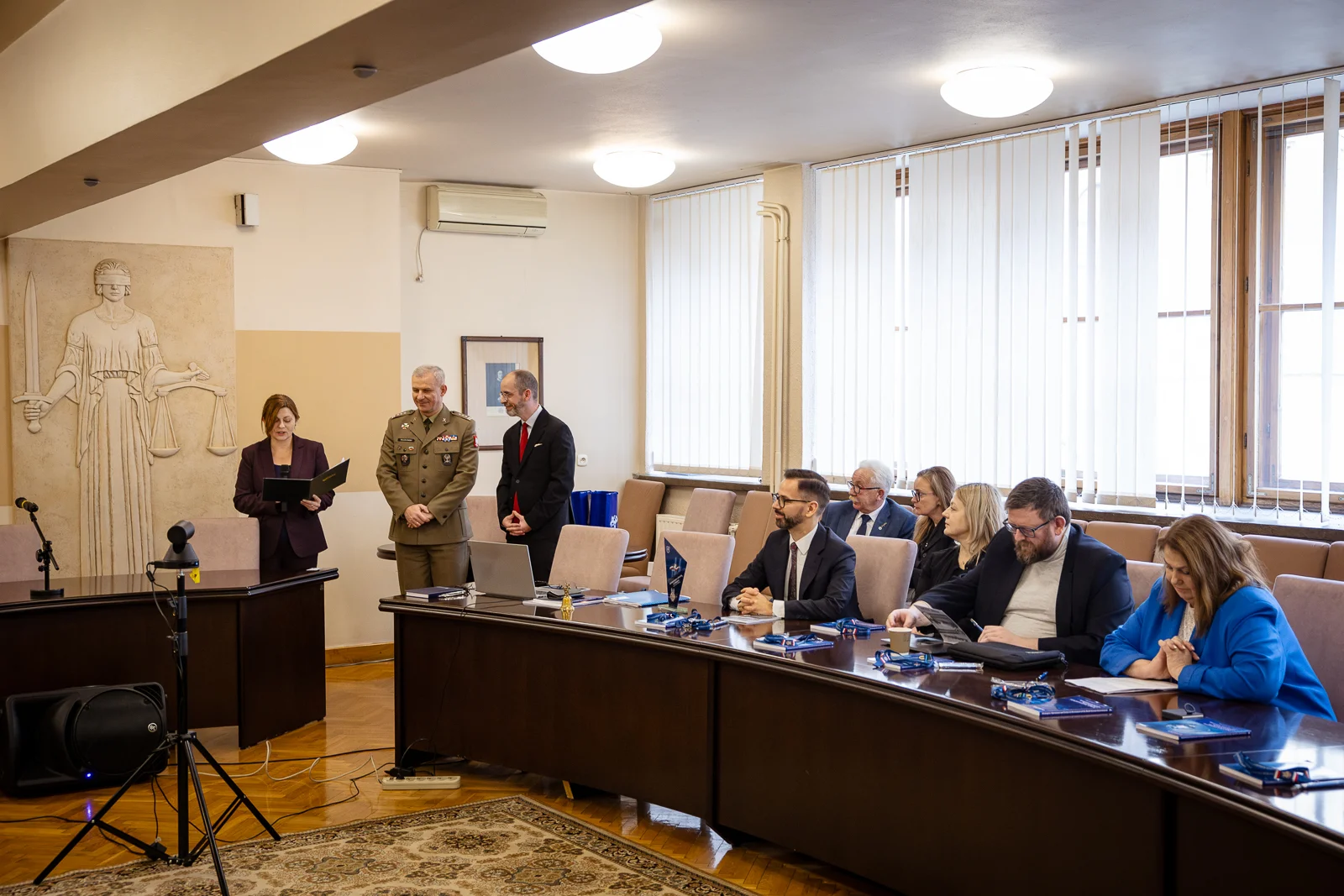
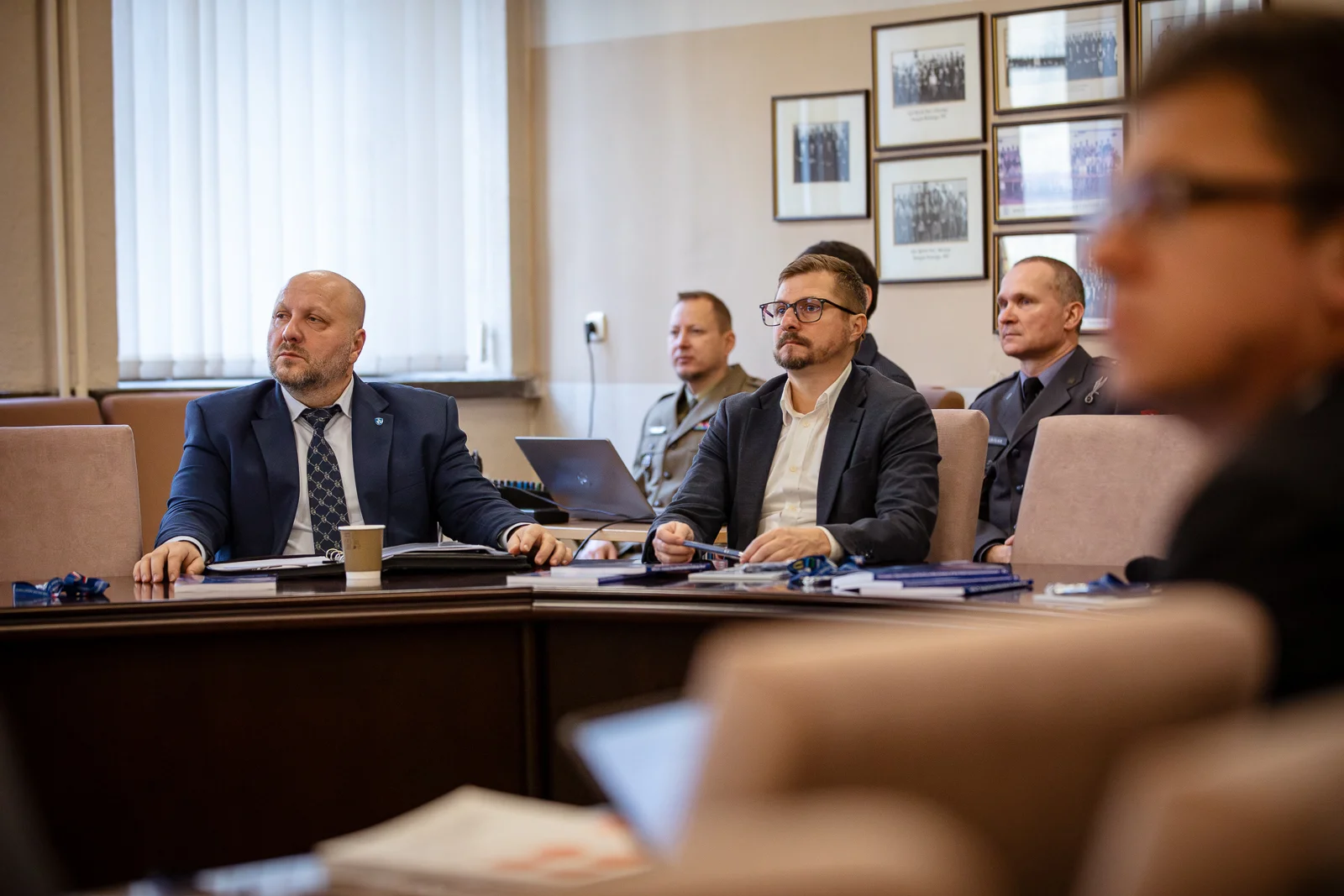
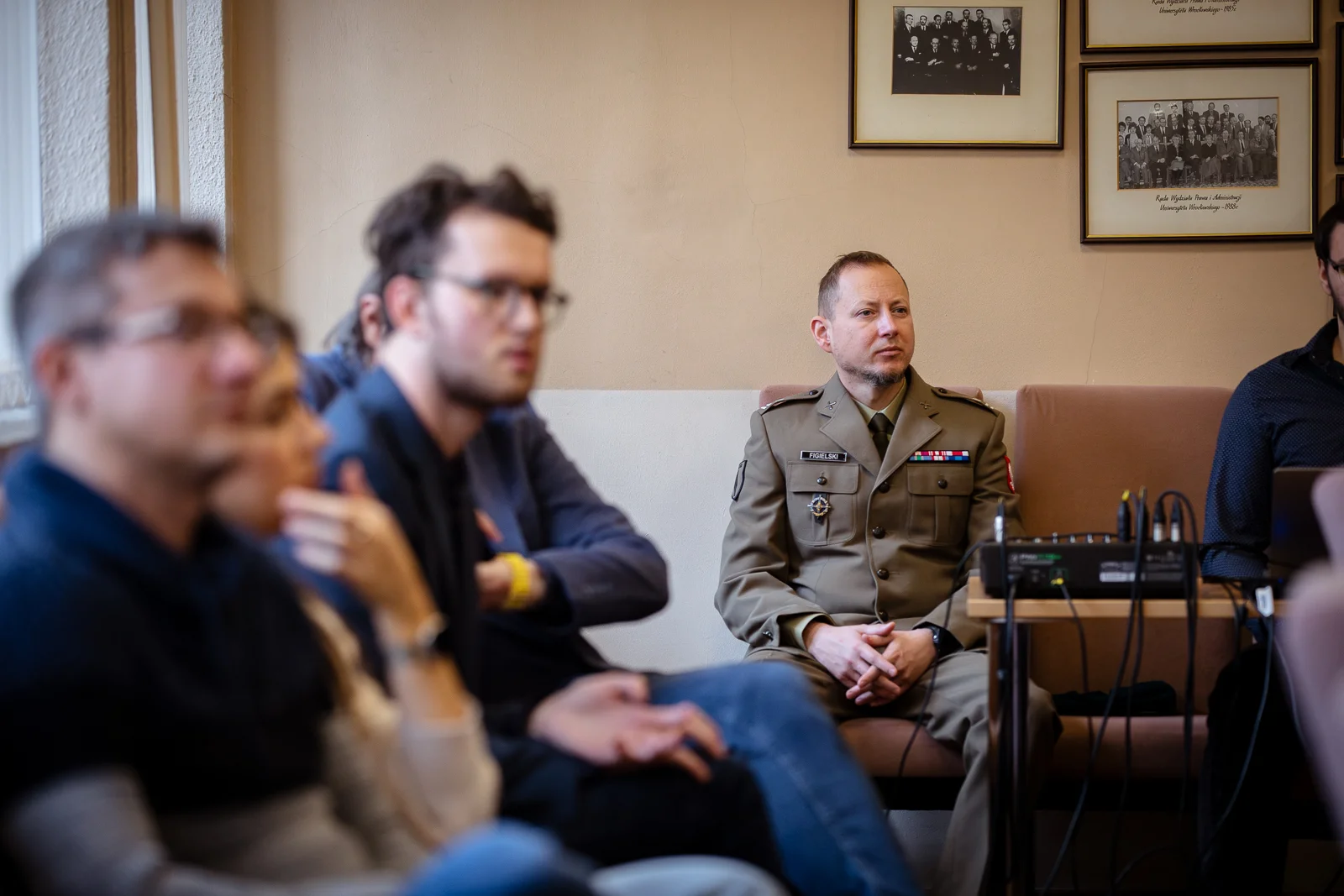
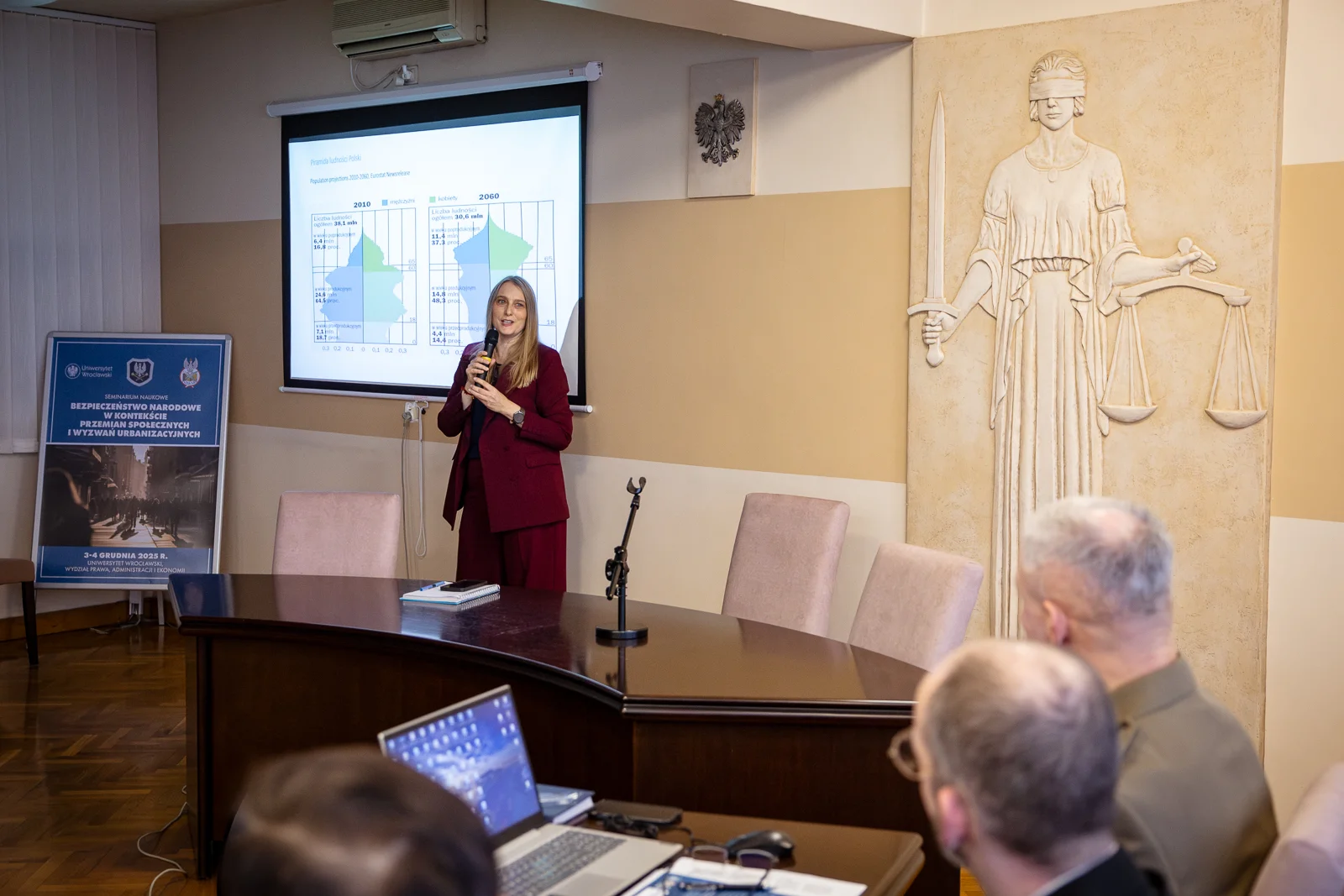
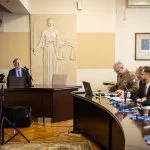
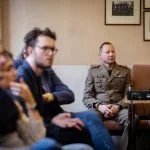
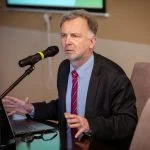
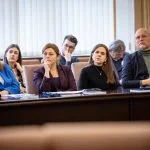
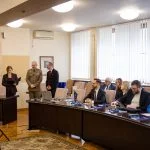
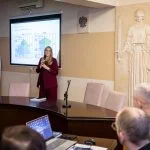
In early December, the Doctrine and Training Centre of the Polish Armed Forces, together with the University of Wrocław, organised a scientific seminar titled “National Security in the Context of Social Transformations and Urbanization Challenges – an Interdisciplinary Diagnosis and Perspectives”.
This event was part of the series of analyses within the security environment campaign “Nowe Urządzenie Polskie” (“New Polish Arrangement”) – NUP 2X35 (Nowe Urządzenie Polskie), which is coordinated by the Doctrine and Training Centre of the Polish Armed Forces upon the orders of the Chief of the General Staff of the Polish Armed Forces. The campaign actively involves civilian universities as well as research and expert centres. An example of this cooperation is the recent seminar held at the Faculty of Law, Administration, and Economics of the University of Wrocław.
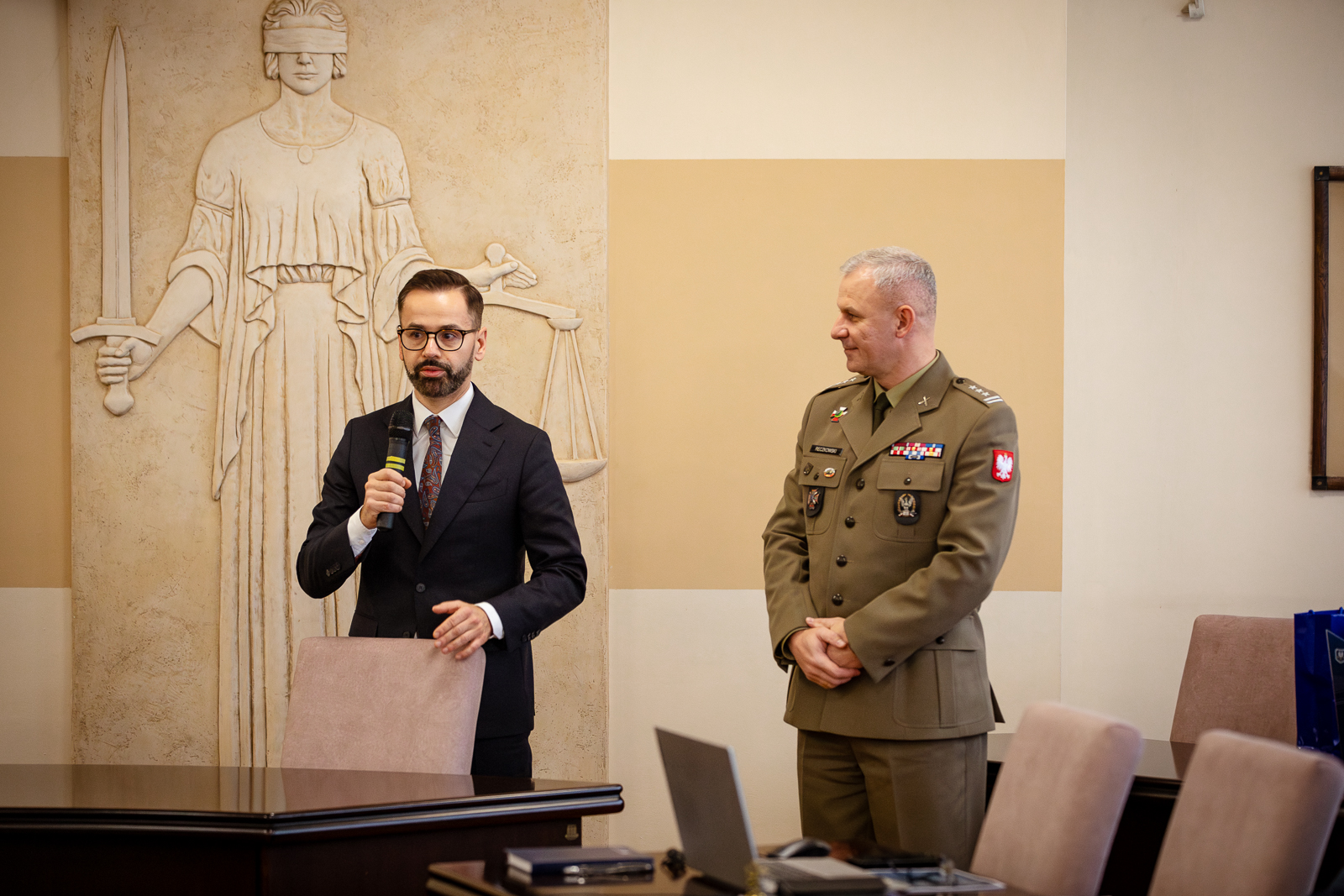
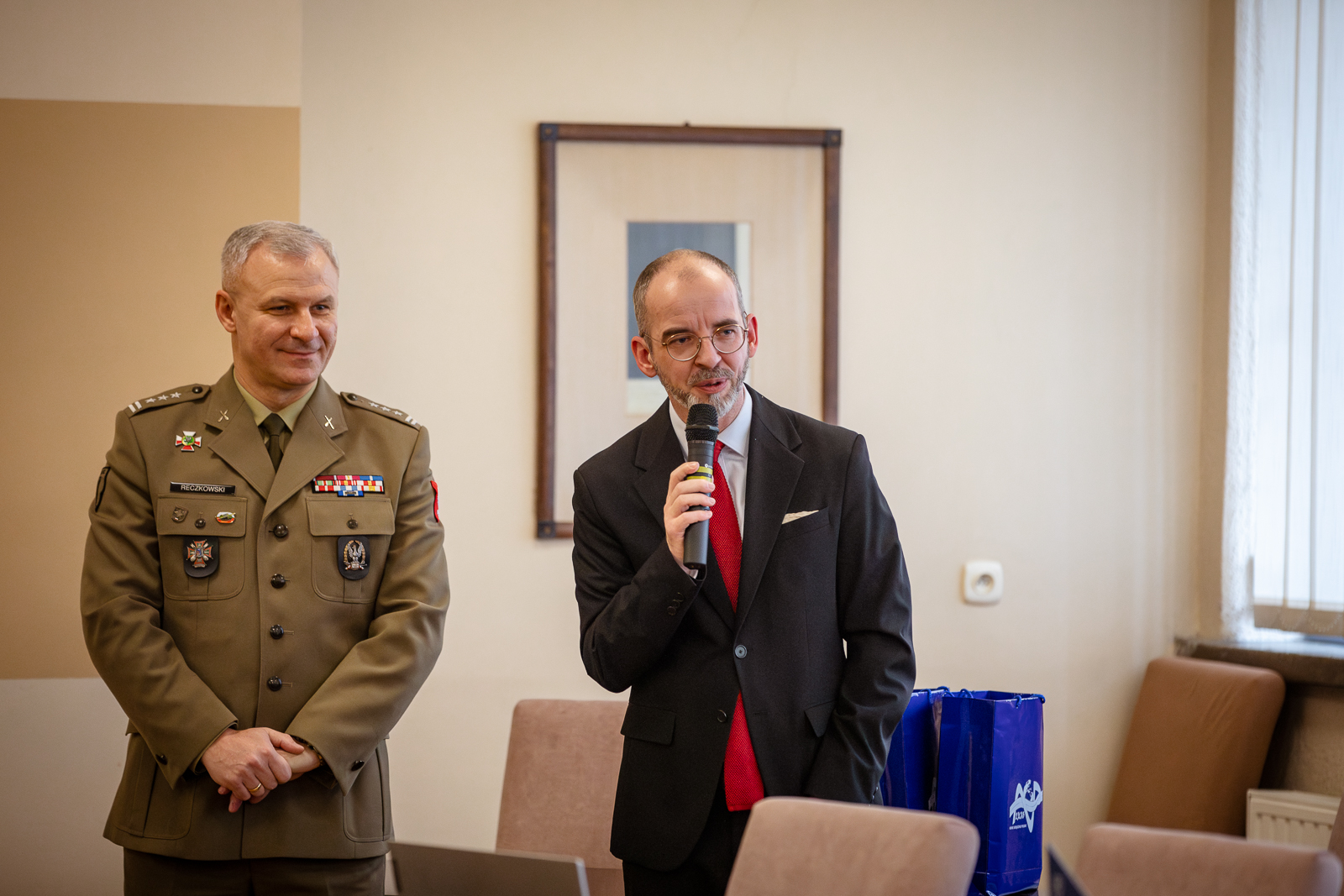
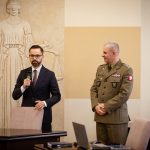
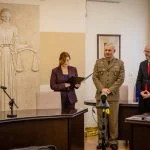
The seminar was opened by: dr Łukasz Prus, Vice-Rector for Student Affairs at the University of Wrocław; prof. dr hab. Artur Błażejewski, Vice-Rector for Scientific Research at the University of Wrocław; dr hab. prof. AWL Izabela Nowicka, Vice-Rector of Military University of Land Forces; Ewa Wolak – Chairwoman of the Education and Youth Committee of the Wrocław City Council; and płk dr Robert Reczkowski, Deputy Director of the Doctrine and Training Centre of the Polish Armed Forces, Head of the Concept Development and Experience Utilization Division.
The scientific debate was attended by a group of respected scholars and experts who, in their presentations, addressed key issues related to social and urbanisation changes affecting Poland’s security environment:
– płk dr Robert Reczkowski inaugurated the seminar with a paper titled “Key Trends in the Social and Urban Domain Identified in Prognostic Work Conducted within NATO, the UK, and Poland (NUP 2X35)”, (original title: “Kluczowe trendy w obszarze społecznym i urbanizacyjnym zidentyfikowane w ramach prowadzonych prac prognostycznych w NATO, UK oraz Polsce (NUP 2X35)”;
– dr Aneta Baranowska from Kazimierz Wielki University discussed “The Strategic Dimension of Demographic Transformations: Depopulation and Aging of Society as Challenges to Poland’s Security and Development”, (original title: “Strategiczny wymiar przemian demograficznych: depopulacja i starzenie się społeczeństwa jak wyzwania dla bezpieczeństwa i rozwoju Polski”);
– dr hab. Ireneusz C. Kamiński, prof. PAN (Polish Academy of Sciences) and Jagiellonian University, presented an analysis titled “From Idealism to Realism – The European Court of Human Rights and the Immigration Issue” (original title: Od idealizmu do realizmu – Europejski Trybunał Praw Człowieka i problem imigracji”);
– dr Łukasz Adamski, Deputy Director of the J. Mieroszewski Centre for Dialogue, emphasized the importance of the relationship between “historical disinformation and the effectiveness of Polish foreign policy,” in the context of security;
– dr inż. Katarzyna Góral-Radziszewska, Deputy Director of the Demographic Research Department of Statistics Poland (GUS), presented the results of statistical research related to the deepening demographic crisis in Poland;
– prof. dr hab. Maciej Trzciński from the University of Wrocław indicated real and potential threats to Poland’s national heritage;
– dr hab. Jarosław Jarząbek, prof. UWr, delivered a paper titled “The Impact of the Israeli-Palestinian Conflict on European Policy – Security Aspects”, (original title: “Wpływ konfliktu izraelsko-palestyńskiego na politykę europejską – aspekty bezpieczeństwa”);
– dr Jakub Bornio from the University of Wrocław raised the issue of how the “Estonianisation” of European foreign policy is becoming a challenge for NATO cohesion;
– dr hab. Piotr Grabowiec, prof. UWr, defined “the culture of fulfilment, biotechnology, and the society of mercenaries” within the context of security;
– dr Paweł Wróblewski from the University of Wrocław explained the “role of religious institutions in the Russian Federation’s »humanitarian mission« as a component of hybrid warfare operations”;
– dr Jarosław Greser from the University of Wrocław examined the topic of ‘Mass AI Implementations in Healthcare: How scaling Changes Threat Vectors During Hybrid Warfare’, (original title: “Masowe wdrożenia AI w opiece zdrowotnej: jak skalowanie zmienia wektory zagrożeń w czasie wojny hybrydowej”);
– dr Paweł Makowiec from the Military University of Land Forces (AWL) addressed “the problem of the complexity of the civilian environment in professional war games dedicated to operations in urban areas”;
– dr Michał Piekarski from the University of Wrocław focused in his presentation on “the city’s critical infrastructure and social resilience”;
– dr hab. Maciej Cesarz from the University of Wrocław analysed “dysfunctions of the civil defence system in Poland: infrastructural, personnel and organisational deficits of local government units”;
– dr hab. Svitlana Soroka, prof. UKW, presented a study titled “Evolution of Social Conflicts in Ukraine During the War and Security Challenges”, (original title: “Ewolucja konfliktów społecznych w Ukrainie w okresie wojny a wyzwania bezpieczeństwa”);
– dr hab. Katarzyna Dojwa-Turczyńska, prof. UWr, discussed “Internet Image Memes as an Instrument for Building Social Resilience – a Sociological Analysis of Objects Related to Russia’s Aggression against Ukraine, Published on Polish Content Aggregators”, (original title: “Internetowe memy obrazkowe jako instrument budowania odporności społecznej – socjologiczną analizę obiektów dotyczących agresji Rosji na Ukrainę, publikowanych na polskich agregatorach treści”);
– Piotr Laska from the Wrocław City Council evaluated the role of the Crisis Management Centre in Wrocław, which he heads, within in the security of residents’ system;
– Tomasz Sikora, Deputy Director of the Social Communication Department of the Wrocław City Council, presented the “Bezpieczny Wrocław” (“Safe Wrocław”) programme;
– płk rez. Zygmunt Sabik, Associate Director of the International Centre for Training and Research on Cultural Heritage in Danger, delivered an expertise titled “How Russia Uses History and Heritage to Conduct Information Warfare. Recommendations for NATO”, (original title: “Jak Rosja wykorzystuje historię i dziedzictwo do prowadzenia wojny informacyjnej. Rekomendacje dla NATO”).
The seminar was also attended by: płk Karol Molka, Acting Director of the International Centre for Training and Research on Cultural Heritage in Danger; płk rez. inż. Marek Sielski, Head of the Department of Defence Affairs at the University of Wrocław; dr hab., prof. at the University of Wrocław Barbara Wiśniewska-Paź, Head of the Centre for Security Studies and Education (CSEB UWr); and Sara Blejwas from the International Cooperation Office of the Wrocław City Council.
The participants of the debate focused on identifying the main trends that should shape the area of social and urbanisation changes in Poland up to the year 2045.
In the social aspect, the discussion focused primarily on the dynamics of demographic change, with global population growth expected to continue throughout this period. At the same time, the accelerating ageing of the population, driven by the ongoing demographic decline in Poland and other developed countries, remains a key concern. These demographic shifts are also expected to result in mass migration (especially of the younger generation) to developed countries and urbanised areas.
Urbanisation processes, which are expected to further develop by 2045, are directly linked to social changes. The seminar emphasized the increasing importance of urbanized areas, which (due to their demographic, economic, and political potential) will play an increasingly significant role in shaping the functioning of societies, states, and regions, as well as influencing the security environment at both the global and regional levels.
Płk dr Robert Reczkowski concluded the seminar, thanking the scholars and experts for their valuable contributions to the security environment analysis campaign and invited all participants to actively engage in upcoming initiatives within the NUP 2X35 project.
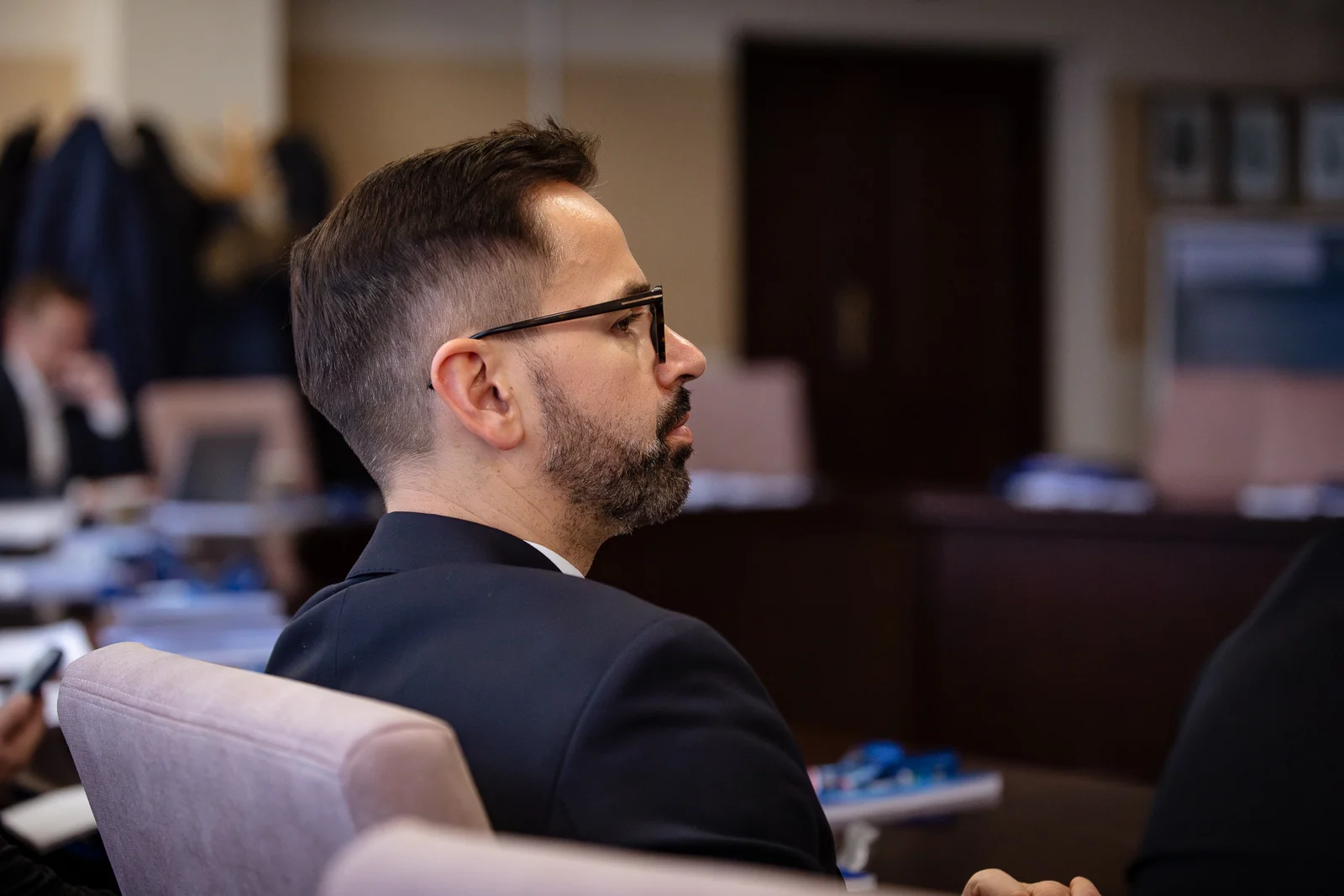
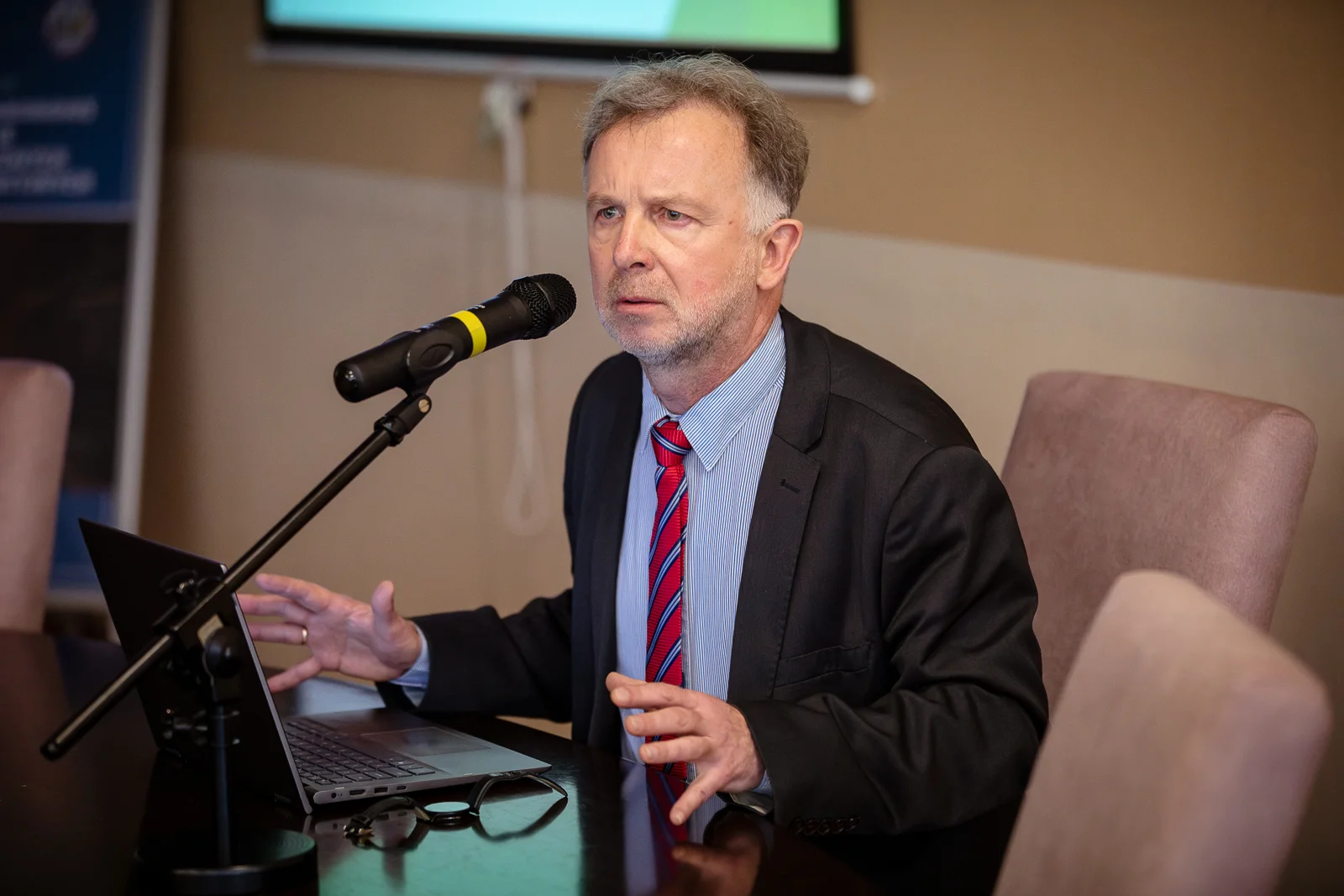
We invite you to view the photo report by Paweł Piotrowski.
Translated by Marta Burkiet (student of English Studies at the University of Wrocław) as part of the translation practice.
Publication date: 8.12.2025
Added by: M.J.


