



UL: University in the world
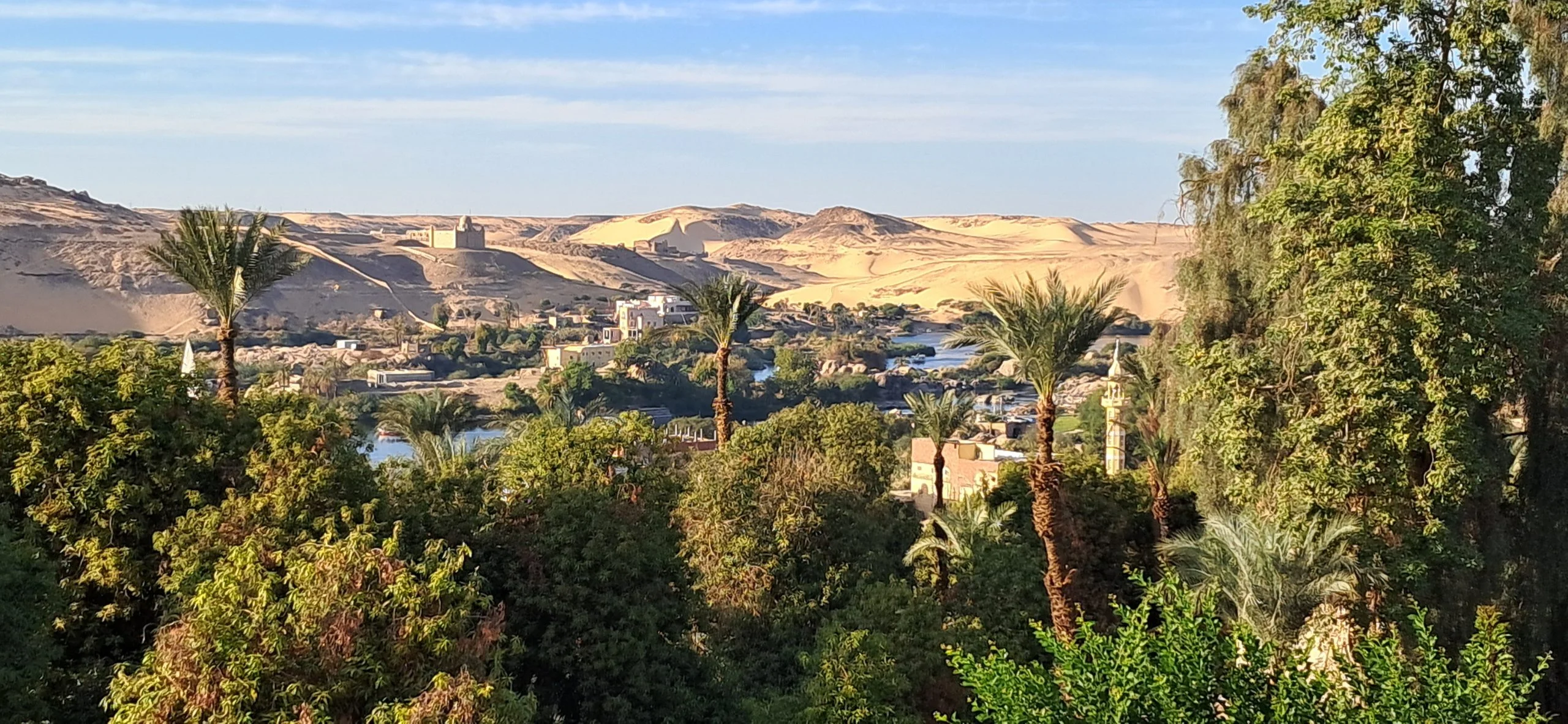
An Egyptian mummy of a boy is an object of scientific research. It is known how old the boy was and where he came from. The cause of death remains a mystery. The research team includes prof. Agata Kubala from the Institute of Art History.
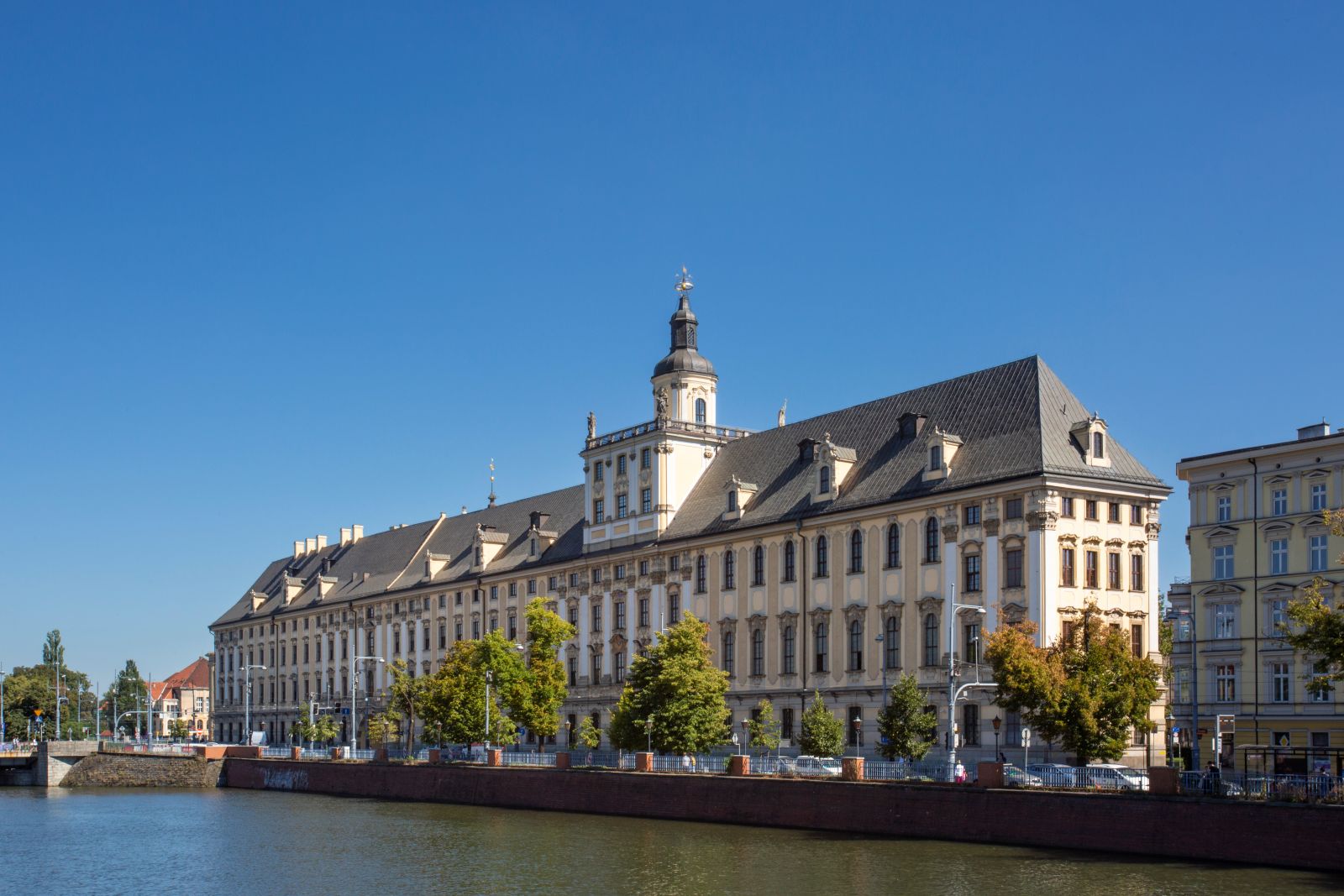
During the Congress of the International Association of Geomorphologists (IAG) in New Zealand, Professor Piotr Migoń from the Department of Geomorphology of the Institute of Geography and Regional Development at the University of Wrocław, was honoured with the Brunsden Medal – one of the most prestigious distinctions in global geomorphology.
The University of Wrocław has moved up by more than 30 places in the third edition of the QS World University Rankings: Europe. In the ranking published on 28 January, our University placed 281st among the best higher education institutions in Europe. In Central and Eastern Europe, we rose to 17th place. In Poland, according to QS WUR Europe 2026, we are the fifth-best higher education institution and the fourth-best university.
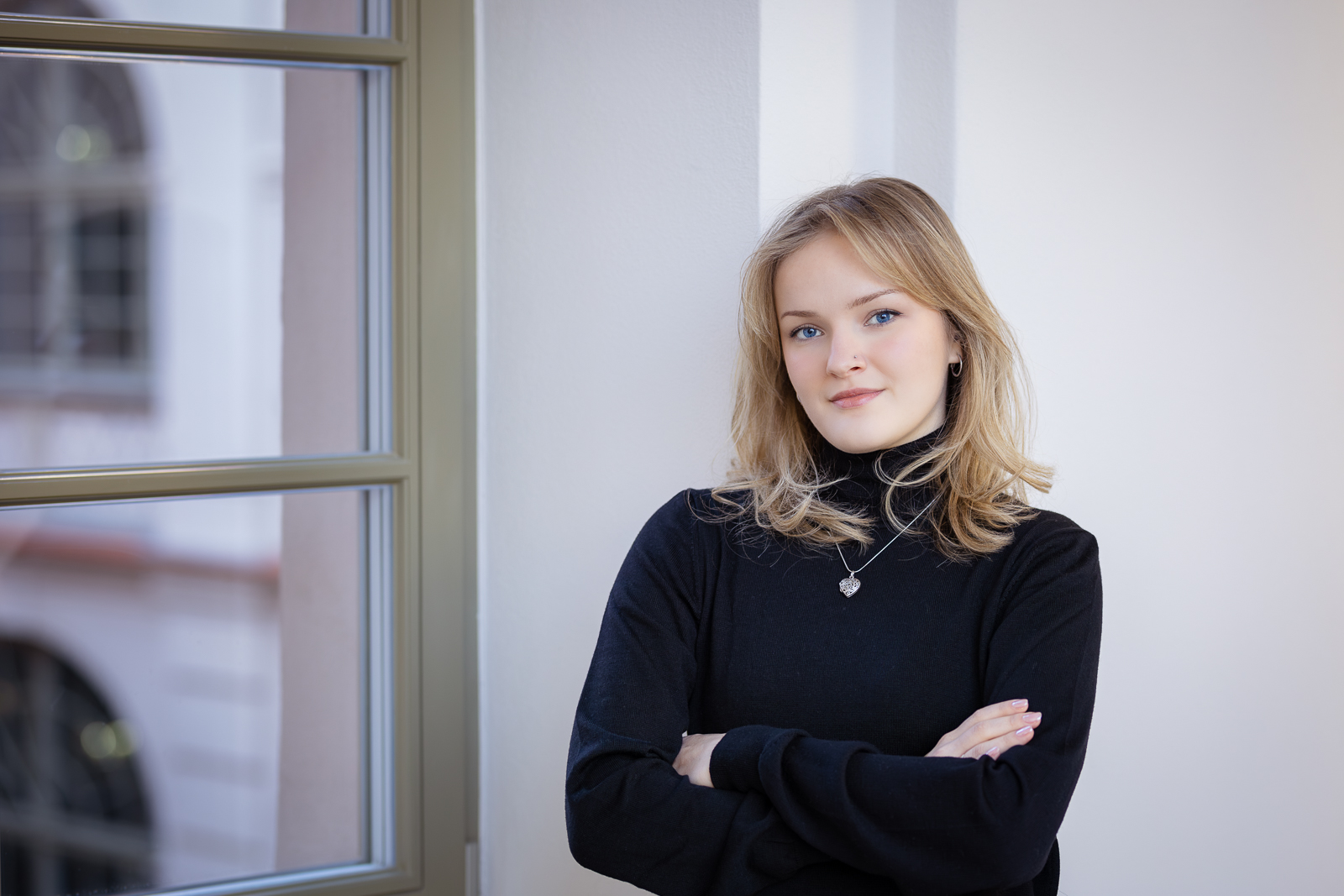
Nikola Żak chose to study European Diplomacy because she wants, in the future, to be present in the rooms where decisions are made and to have a real impact on improving the world around her. An IDUB grant for a trip to Qatar was her first step into such a room. Meet Nikola Żak, the latest ambassador of the “Young Researcher” programme at the University of Wrocław.
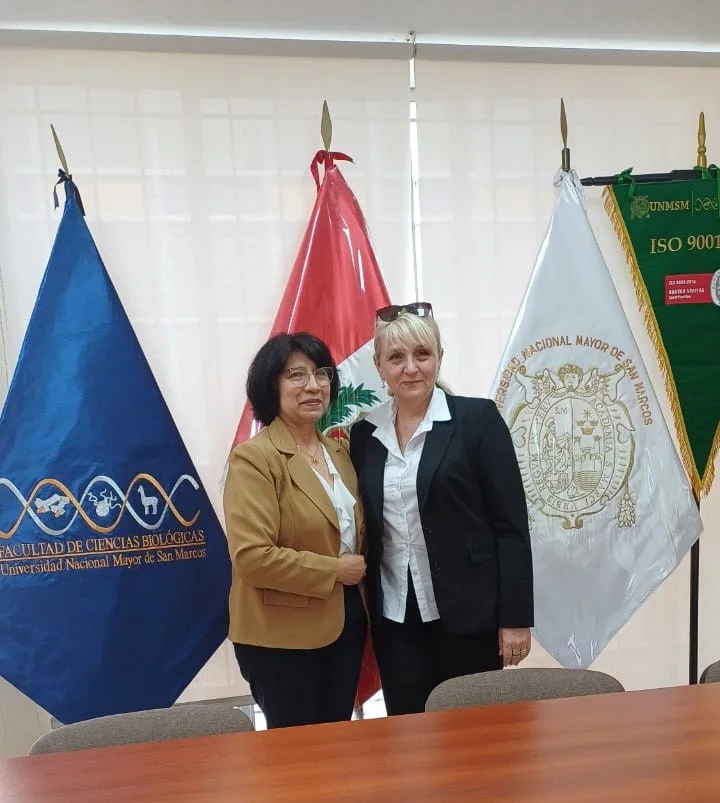
Dr hab. Alicja Krzemińska from the Institute of Geography and Regional Development at the University of Wrocław undertook a study visit to Peru as part of the University of Wrocław’s academic, teaching and social activities.
From 5 to 7 December, the University of Wrocław will welcome programming enthusiasts from the best universities in Central Europe, who will compete in challenging algorithmic tasks.
What lies behind the intriguing name of the Facilex project? Can – and if so, how – the influence of […]
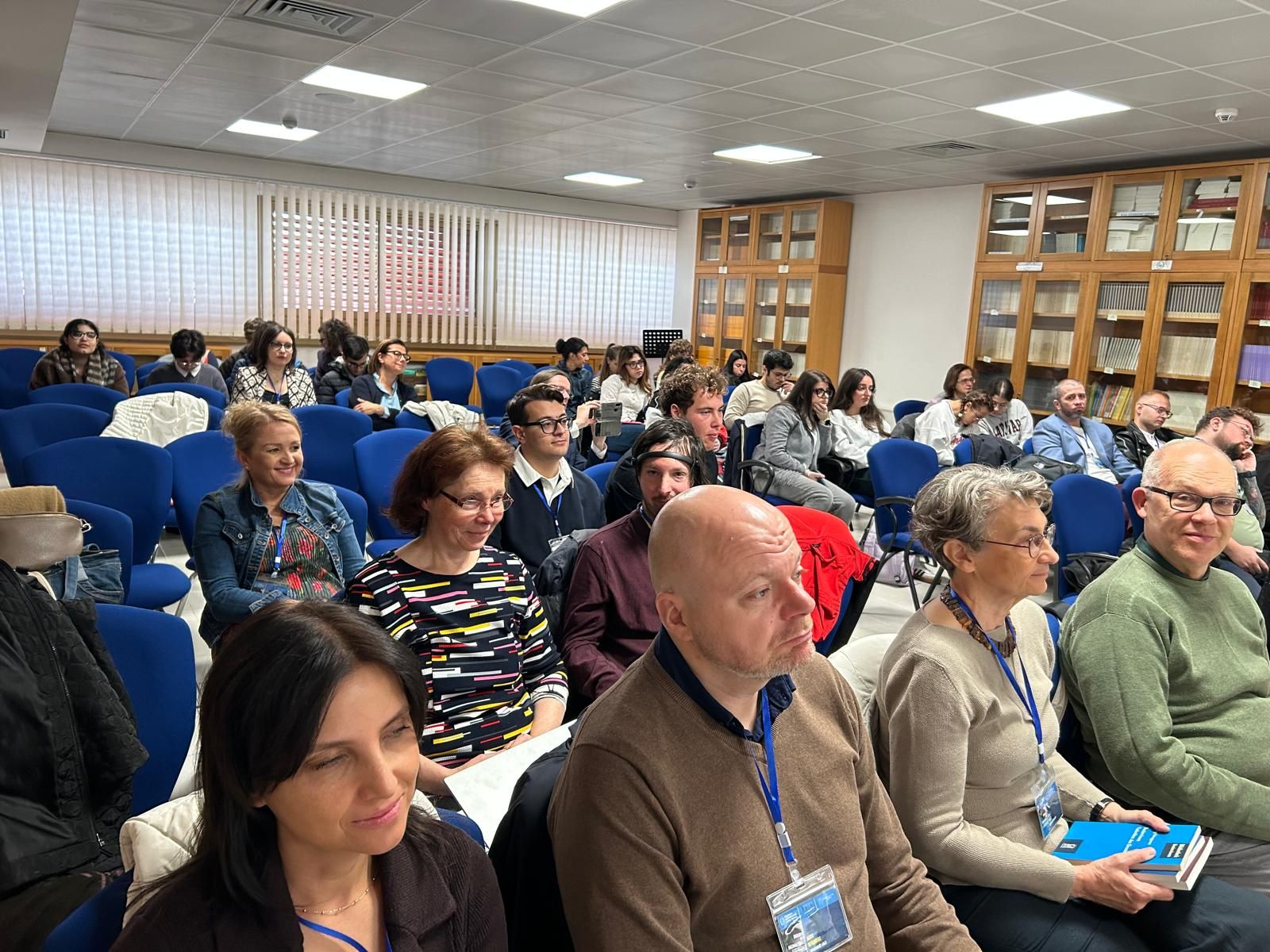
In October, the University of Salerno hosted an international academic conference „Diskurse der Nachhaltigkeit. Sprachliche Perspektiven auf Ökologie und Gesellschaft.”
Our expert’s commentary on the Nobel Prize in Literature
Commentary by an expert from the Institute of Sociology at the University of Wrocław on the Nobel Peace Prize.
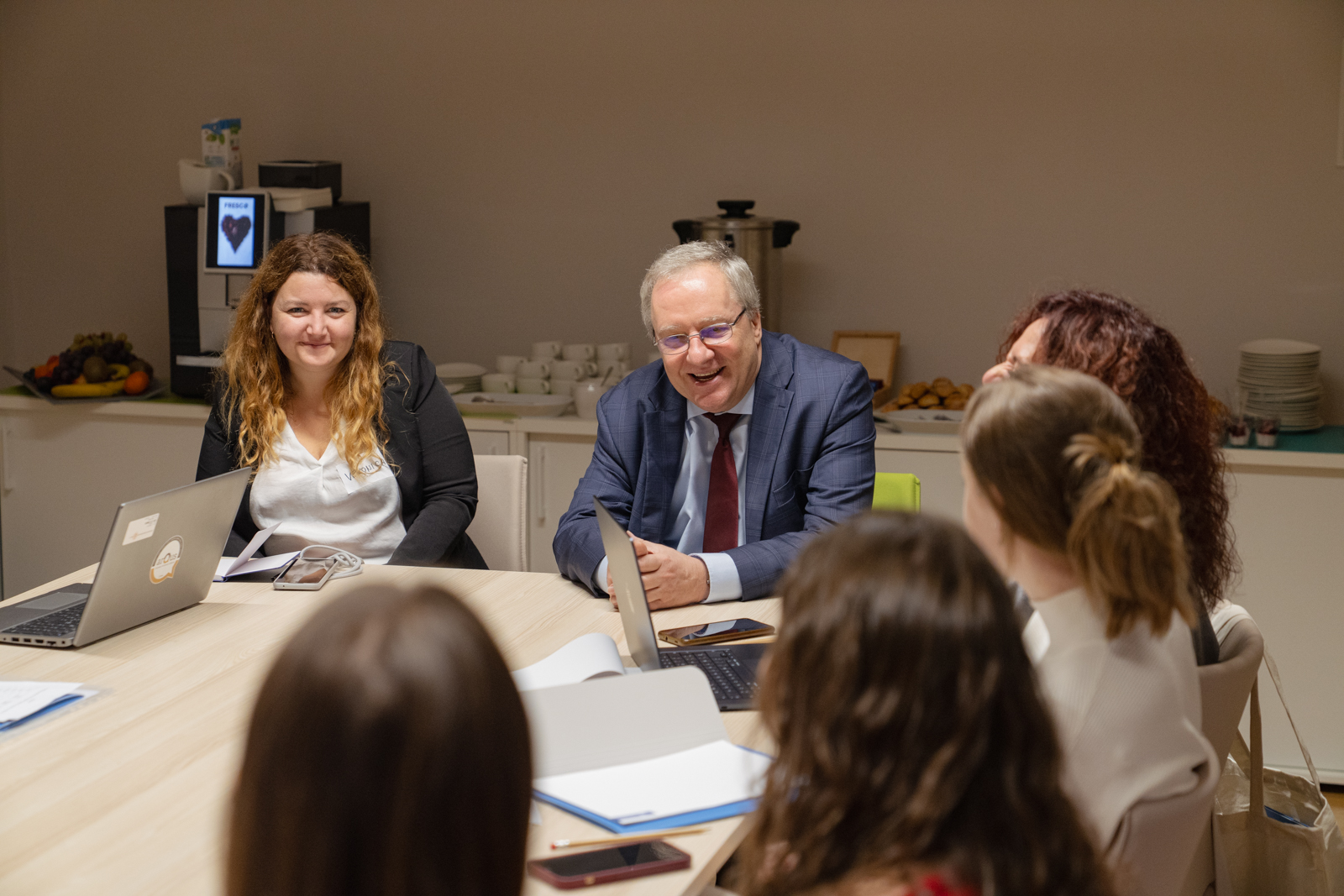
Report from the working meeting of Arqus alliance members as part of Package 9
Commentary by an expert from the University of Wrocław on the 2025 Nobel Prize in Physics
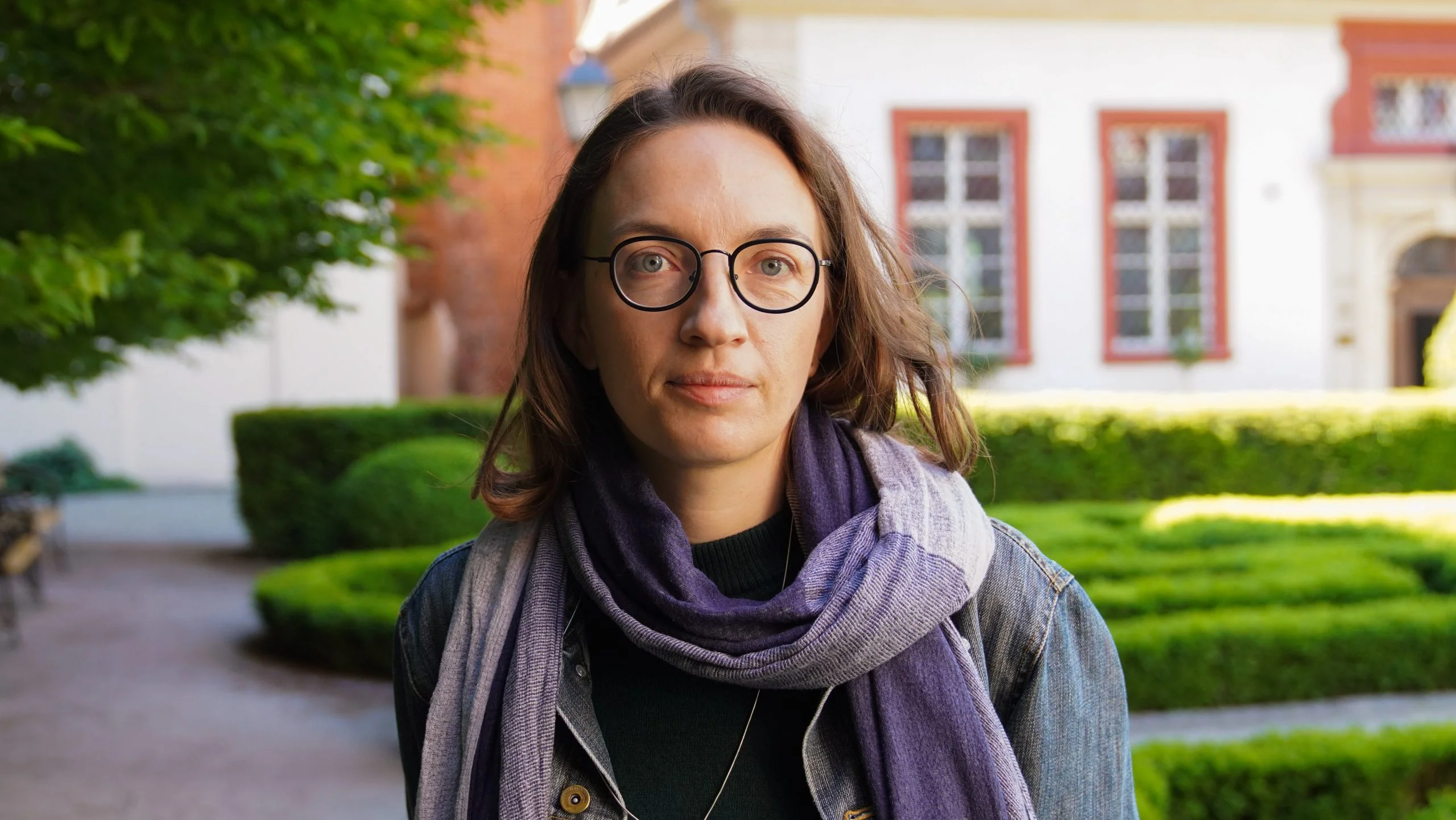
Another year at the University of Wrocław, as part of the ARQUS European University Alliance, has begun. Thanks to these projects, initiatives constantly come to life, crossing not only national borders, but also redefining academic life. In the interview with dr Katarzyna Kajdanek, sociologist and ARQUS project participant, we can take a closer look at an international collaboration in urban research and reflect on academic culture.
Stanford University and Elsevier have published another edition of the ranking of researchers who have had the greatest impact on […]


