




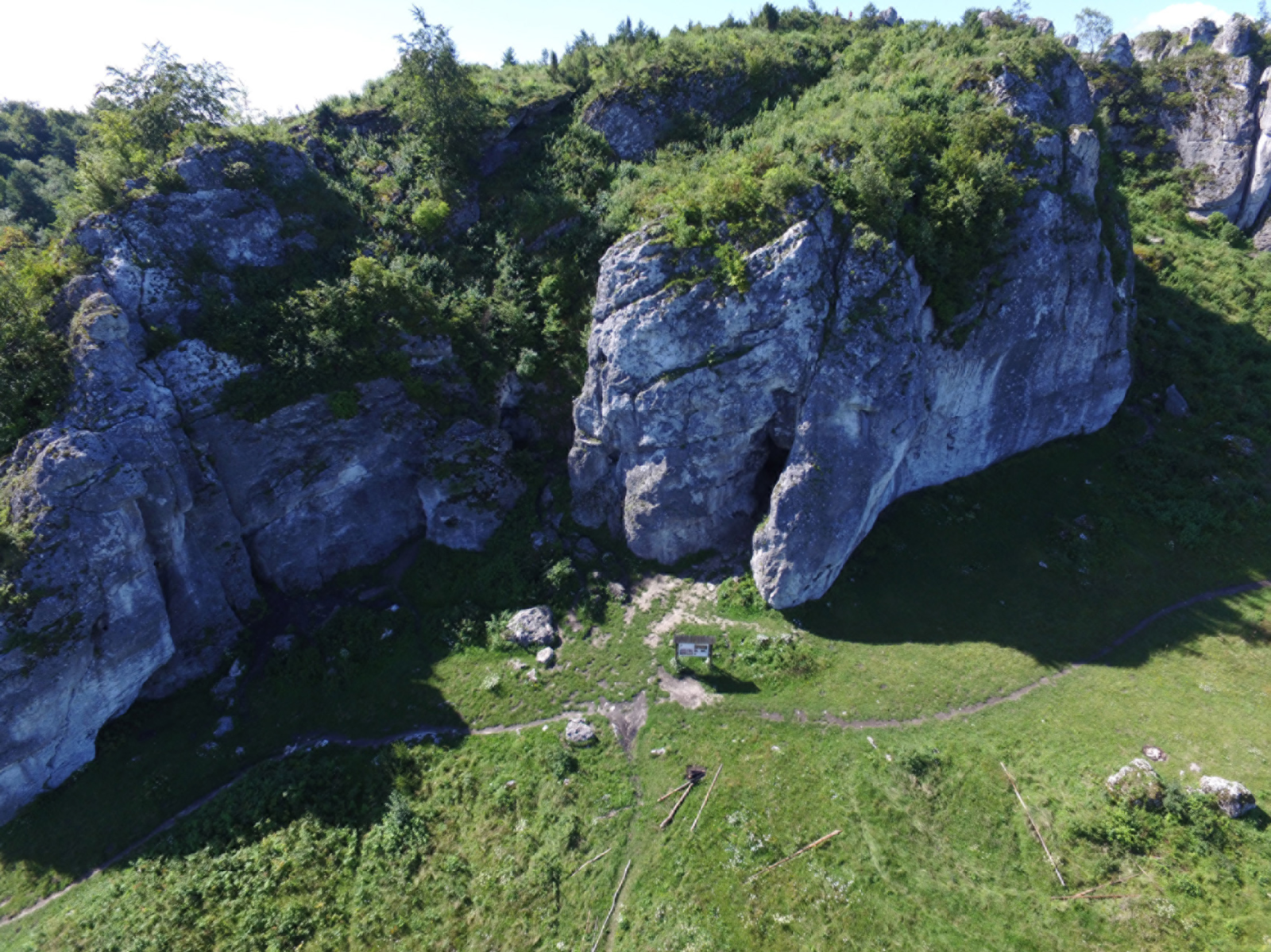
Neanderthals from Stajnia Cave
The results of the latest reaserch conducted by an international team, including a crucial contribution from researchers at the University of Wrocław, focus on Polish Neanderthals, entitled “First Multi-Individual Neanderthal Mitogenomes from North of the Carpathians”, was published online on 20 April 2026 in the prestigious journal Current Biology.
Stajnia Cave, located in the Kraków-Częstochowa Upland north of the Carpathian range, has revealed further secrets. The time connected with the analysis of four newly discovered Neanderthal teeth and eight new Neanderthal mitochondrial genomes. The study presents the results of research focusing on the comparison of mtDNA belonging to at least seven individuals, and possibly as many as eight or nine.
Dr hab. Wioletta Nowaczewska from the Department of Human Biology at the University of Wrocław, a specialist in the study of human skeletal remains and one of the leading co-authors of the publication, participated in analyses concerning the structure of the Neanderthals’ teeth. The morphological assessement made it possible to determine both their taxonomic classification and the age of the deceased individuals. The study was led by Professor Andrea Picin of the University of Bologna, an archaeologist, while Professor Andrzej Wiśniewski from the Department of Stone Age Archaeology at the University of Wrocław also contributed to the archaeological research.
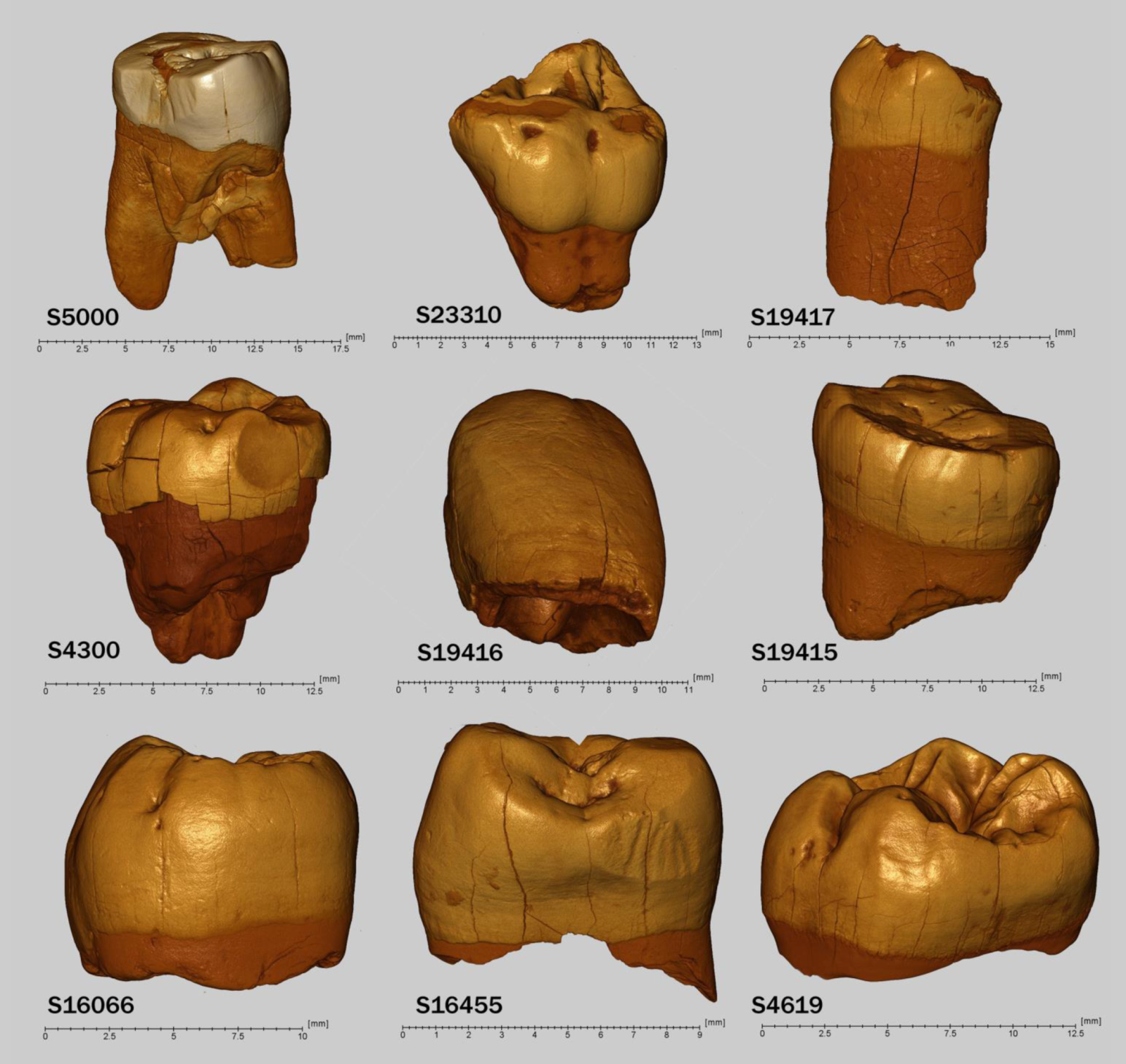
The mitochondrial DNA analyses confirmed the result of the morphological studies indicating the Neanderthal origin of the teeth. The applied methods allowed the remains to be dated between 92,000 and 119,000 years ago. The mitochondrial genomes were compared with corresponding genetic material from other Neanderthals, Denisovans, fossil Homo sapiens, and modern humans.
The analysis demonstrated the closest similarity between the examined individuals and Neanderthals inhabiting Western Europe, as well as those whose remains were discovered in the northern Caucasus region. This suggests that Neanderthal mobility at that time was considerable and that territory of present-day Poland played an important role in these migration patterns.
The discovery of the remains of several Neanderthals at a single site, including young children, adolescents, and adults is extremely rare. Furthermore, the results indicated a close relationship between three individuals from Stajnia Cave, as they shared identical mitochondrial DNA inherited exclusively through the maternal line. This may suggest that one of these individuals was the mother of the other two.
The period during which the Polish Neanderthals lived was associated with climatic cooling, which was further confirmed by analyses of animal bone remains discovered in the cave sediment layers. These studies involved prof. Krzysztof Stefaniak, dr hab. Adam Marciszak, prof. UWr, and dr Paweł Socha from the Department of Paleozoology at the University of Wrocław.
More information about the research findings can be found in the original publication, the accompanying article, and on the Current Biology website.
The research has also been featured in media outlets including RMF ON, National Geographic Polska, and Nauka w Polsce.
Translated by Dominika Łuczak (student of English Studies at the University of Wrocław) as part of the translation practice.
Date of publication: 21.04.2026
Added by: MJ


